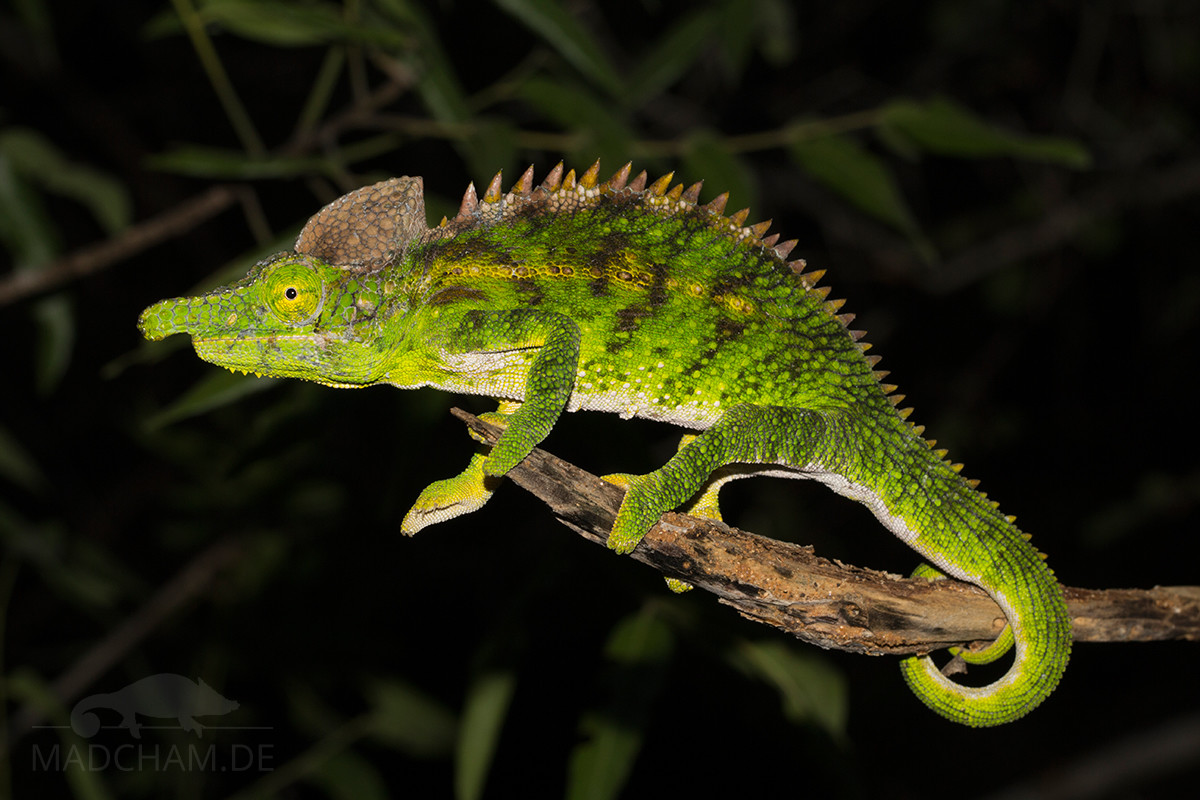
Furcifer antimena
First description: (Grandidier, 1872) Origin of the species name: The French naturalist Alfred Grandidier visited Madagascar three times between 1865 and 1868, traveling almost the entire island and producing one of the first maps...
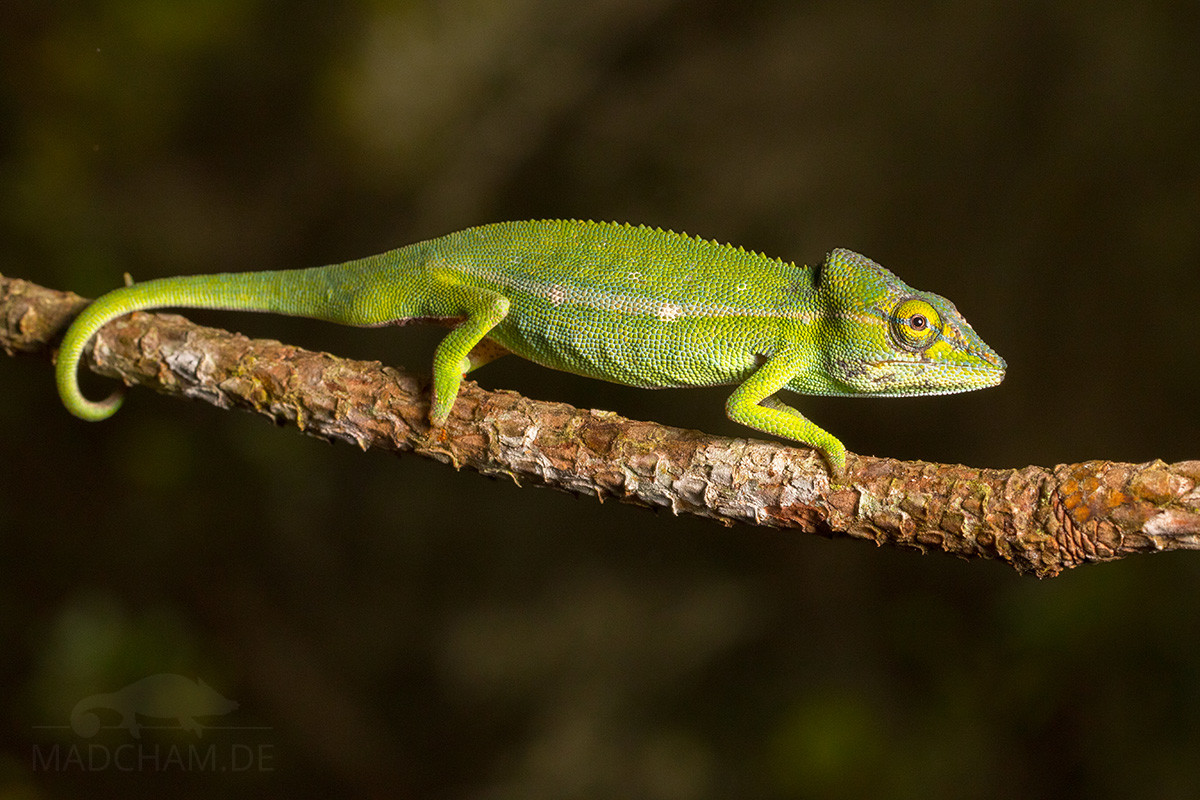
Calumma gastrotaenia
First description: (Boulenger, 1888) Origin of the species name: The Belgian zoologist George Alber Boulenger, at that time working at the Natural History Museum in London (Great Britain), probably named this chameleon species after...
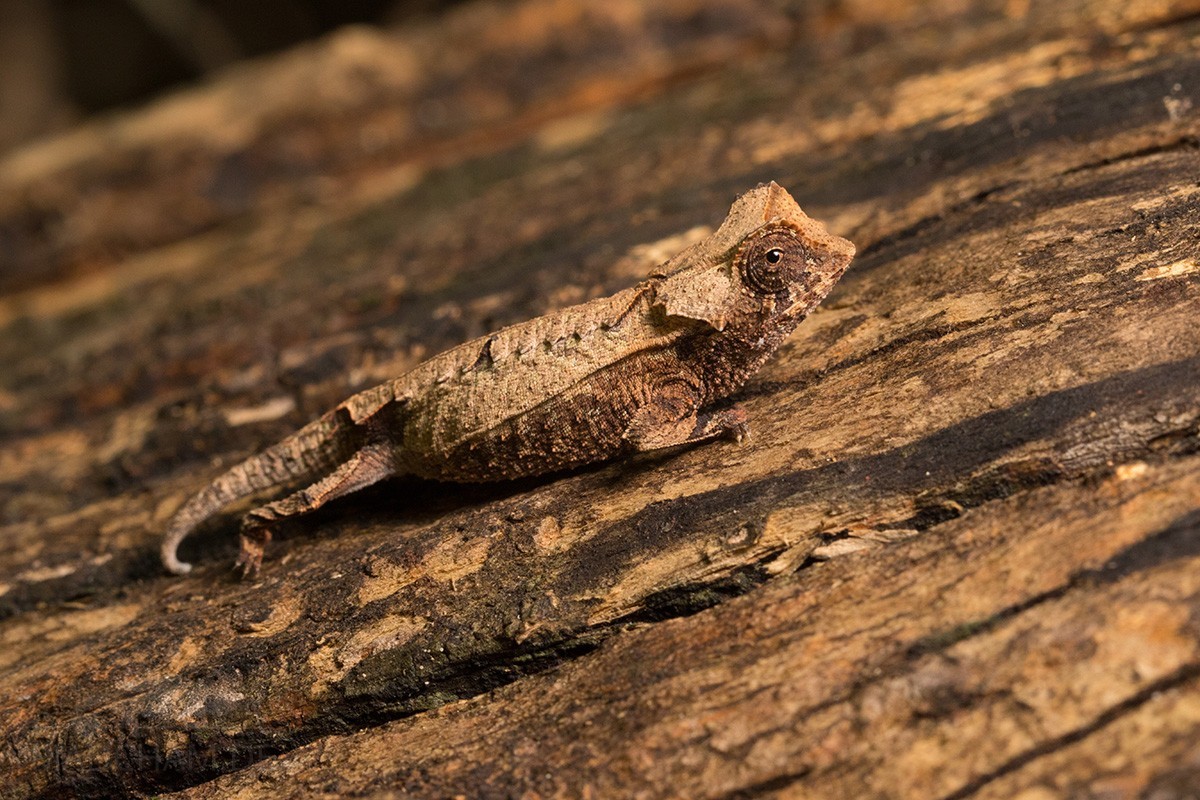
Brookesia decaryi
First description: Angel, 1939 Origin of the species name: Fernand Angel described this chameleon species on the basis of prepared animals that were kept in the Natural History Museum of Paris (France). The chameleons...
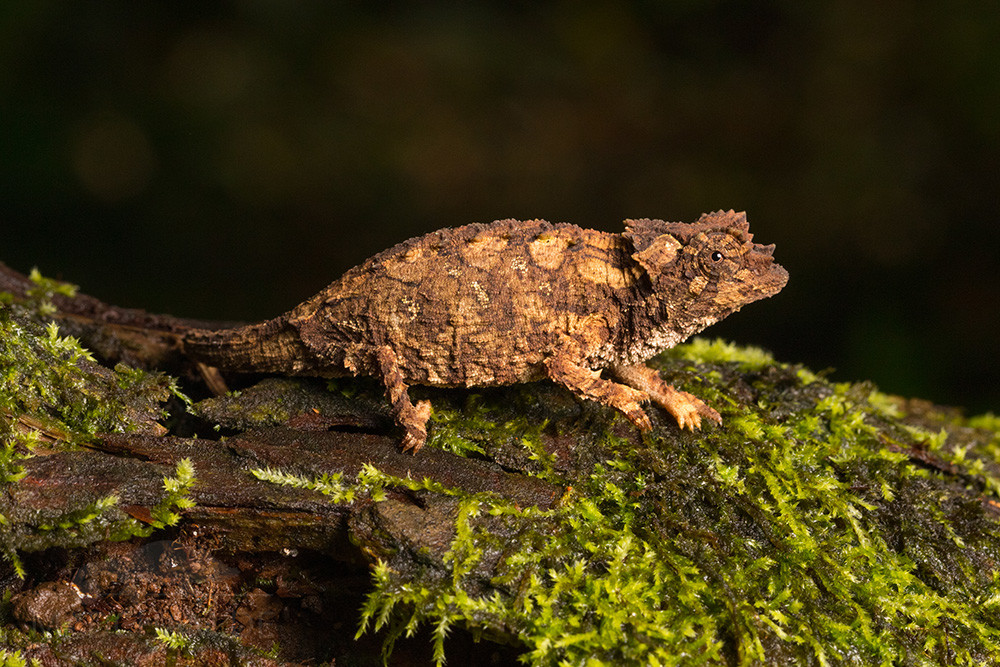
Brookesia ebenaui
First description: (Boettger, 1880) Origin of the species name: The palaeontologist Oskar Böttger, then curator of the Senckenberg Museum in Francfort (Germany) wrote the original description in 1880 – still in Latin, by the...
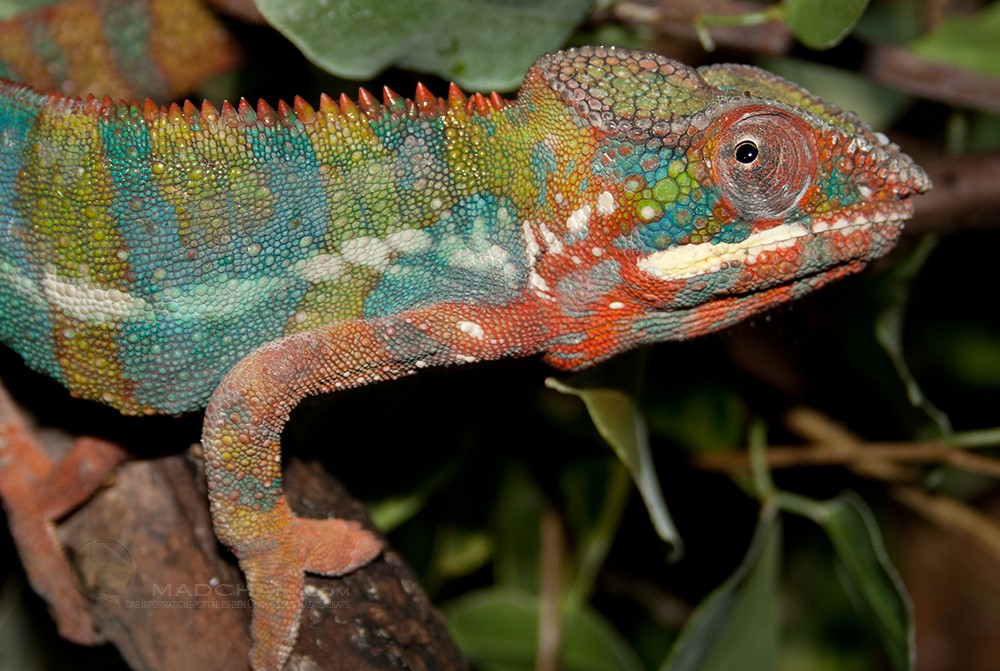
Metabolic bone disease
What is rachitis? Rachitis is a disease in which bones demineralize. The medical term for the complex of diseases which includes rachitis is “metabolic bone disease”. MBD also includes several diseases of the adult...
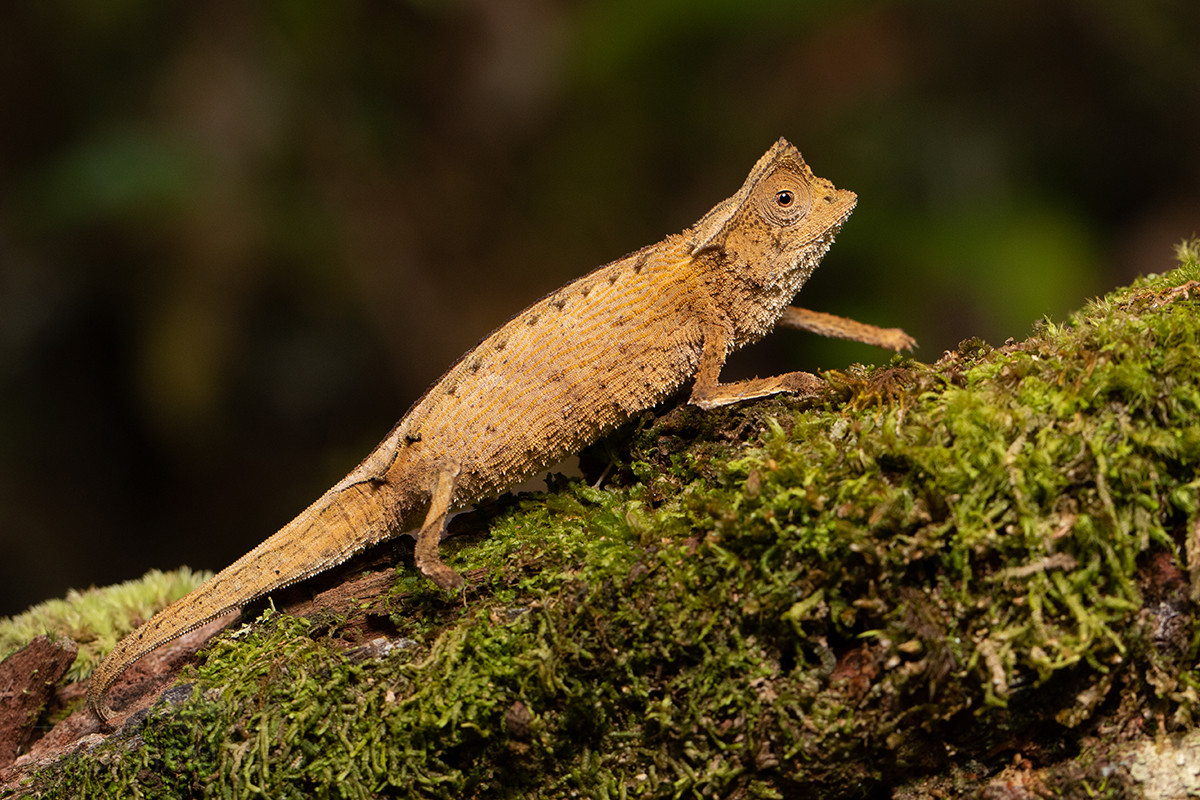
Brookesia griveaudi
First description: Brygoo, Blanc & Domergue, 1974 Origin of the species name: Édouard-Raoul Brygoo (later working at the Natural History Museum in Paris, France), Charles Pierre Blanc and Charles Antoine Domergue from the then...

Calumma globifer
First description: (Günther, 1879) Origin of the species name: The German zoologist Albert Carl Ludwig Gotthilf Günther, then director of the Zoological Department of the Natural History Museum of London (Great Britain), borrowed the...
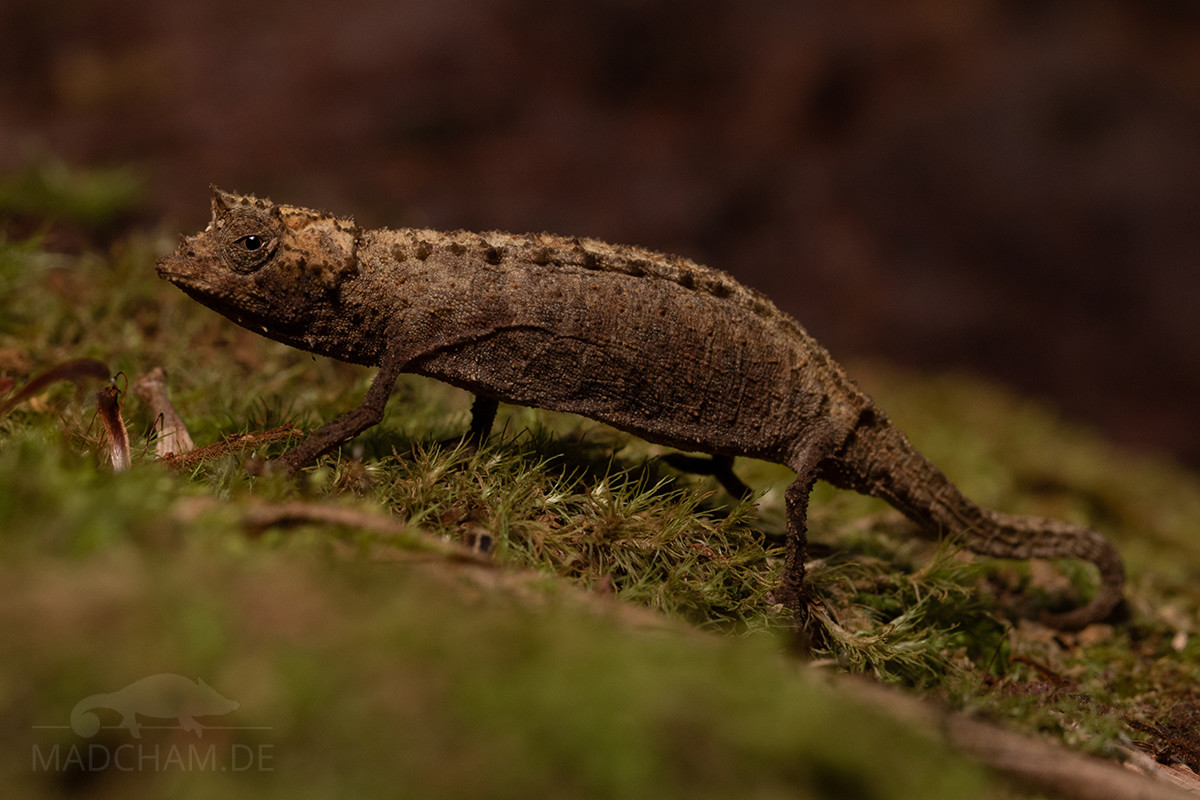
Brookesia karchei
First description: Brygoo, Blanc & Domergue, 1970 Origin of the species name: Édouard-Raoul Brygoo (later working at the Natural History Museum in Paris, France), Charles Pierre Blanc and Charles Antoine Domergue from the then...
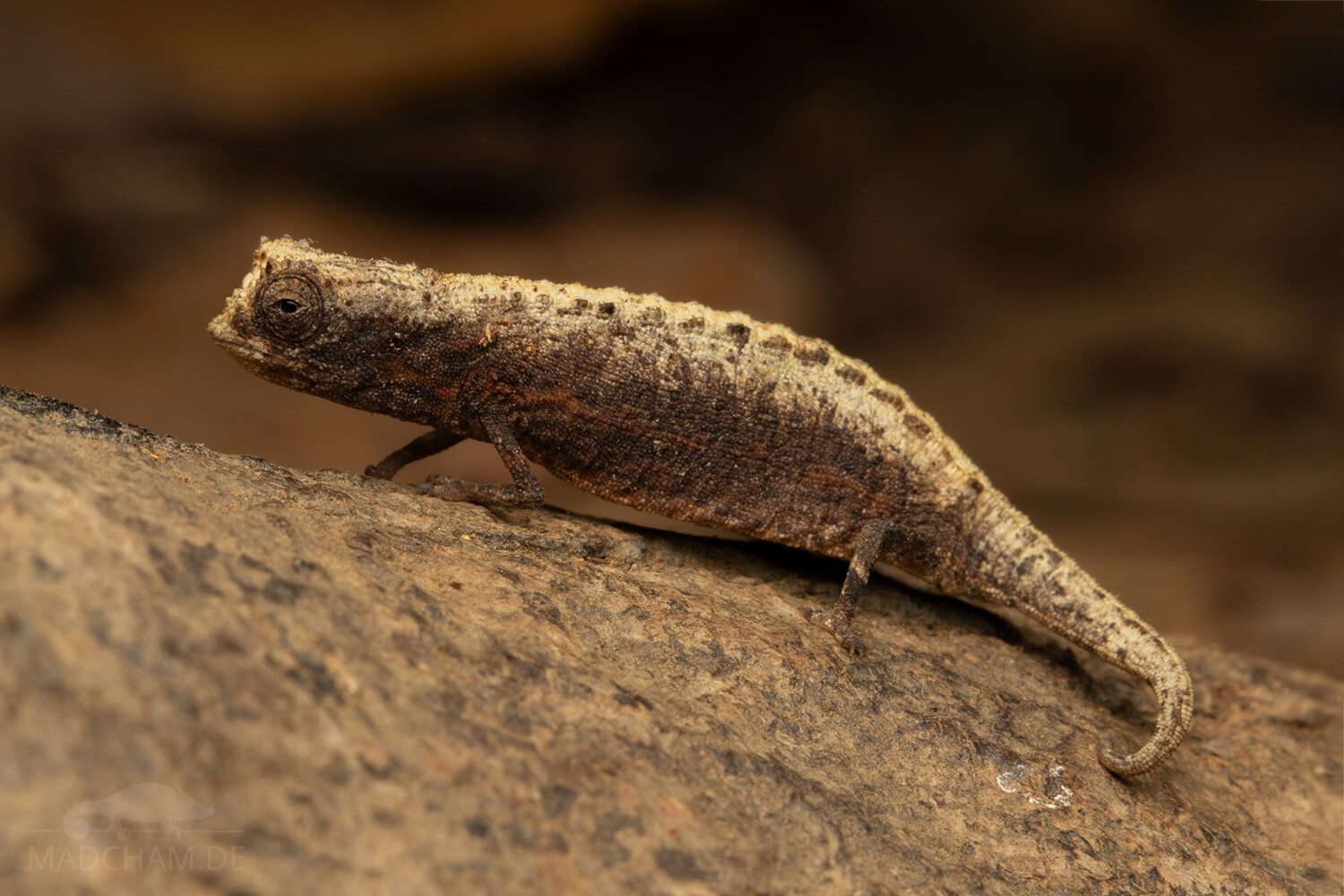
Brookesia minima
First description: Boettger, 1893 Origin of the species name: Palaeontologist Oskar Böttger, then curator of the Senckenberg Museum in Frankfurt am Main (Germany), named this chameleon species after its body size. Minima is Latin...
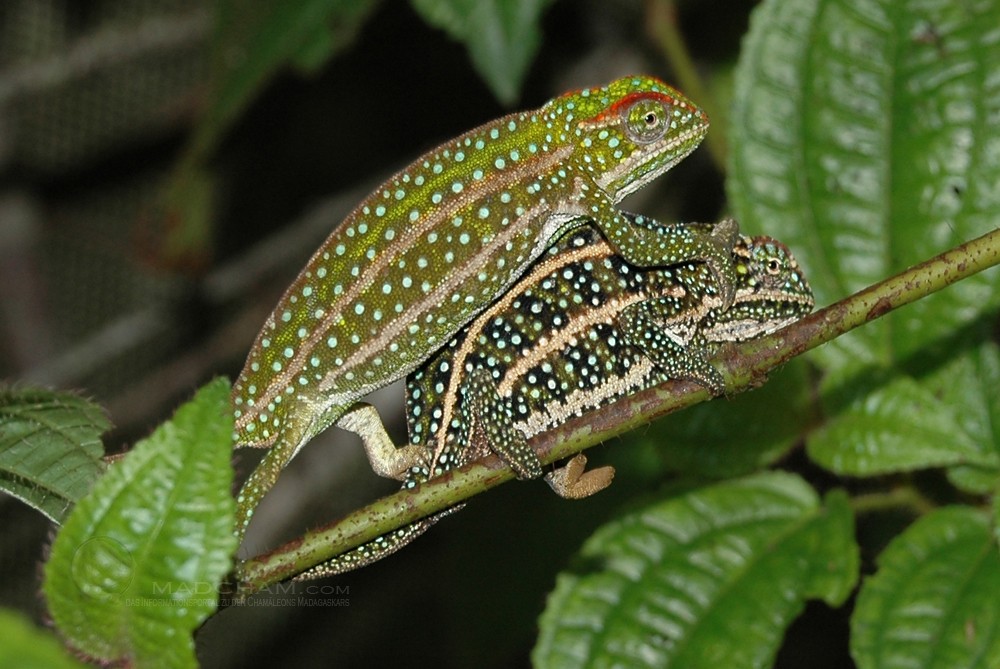
Furcifer campani
First description: (Grandidier, 1872) Origin of the species name: The French naturalist Alfred Grandidier visited Madagascar three times between 1865 and 1868, traveling almost the entire island and producing one of the first maps...


Follow us on Instagram

Most popular articles


Your travel specialist for Madagascar