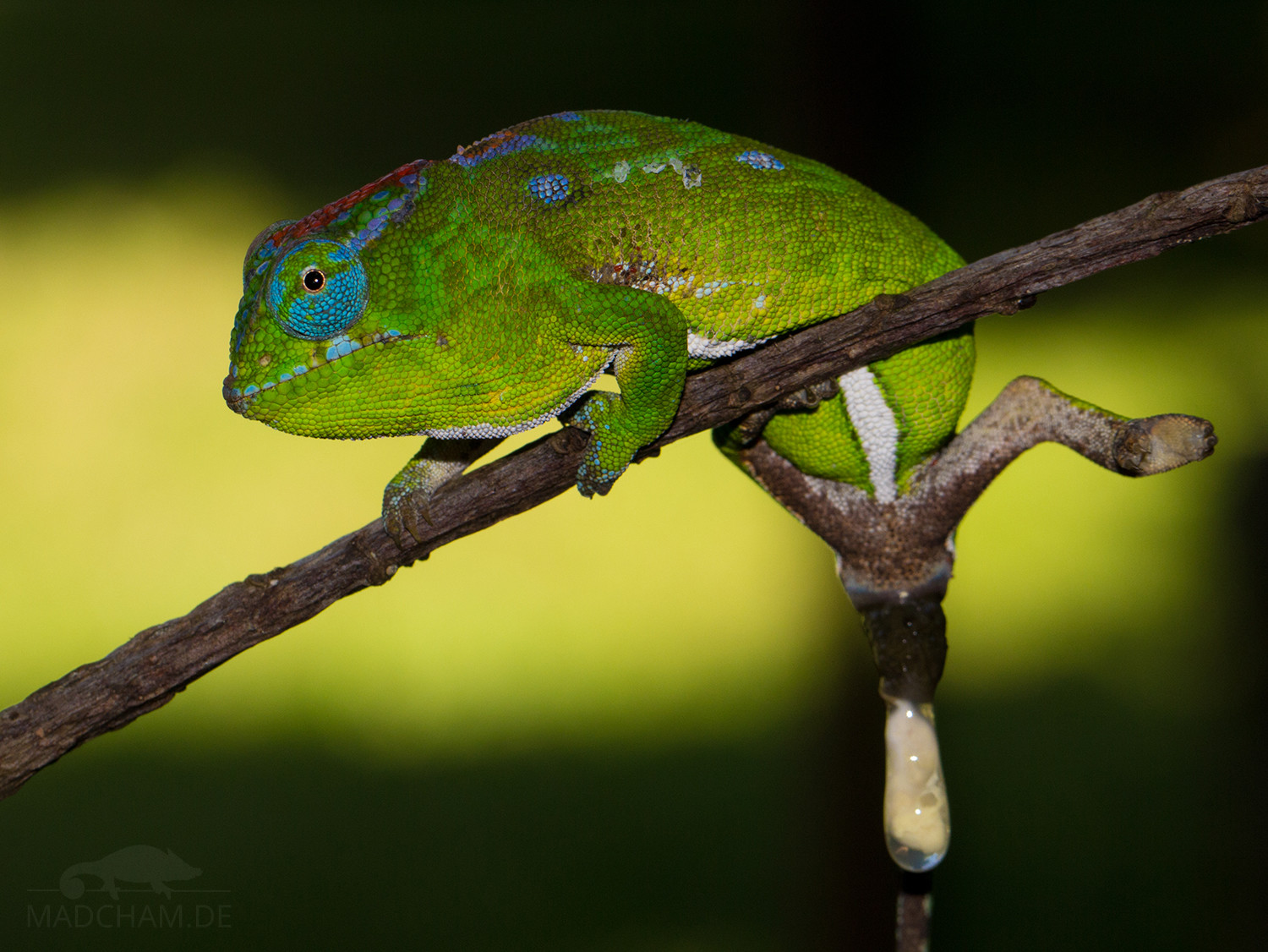
Feces and urates
Feces and urates In contrast to humans, dogs, cats, and other mammals, chameleons do not release liquid urine. Instead, they produce so-called urate, which consists of the salts of uric acid. Urat is a...
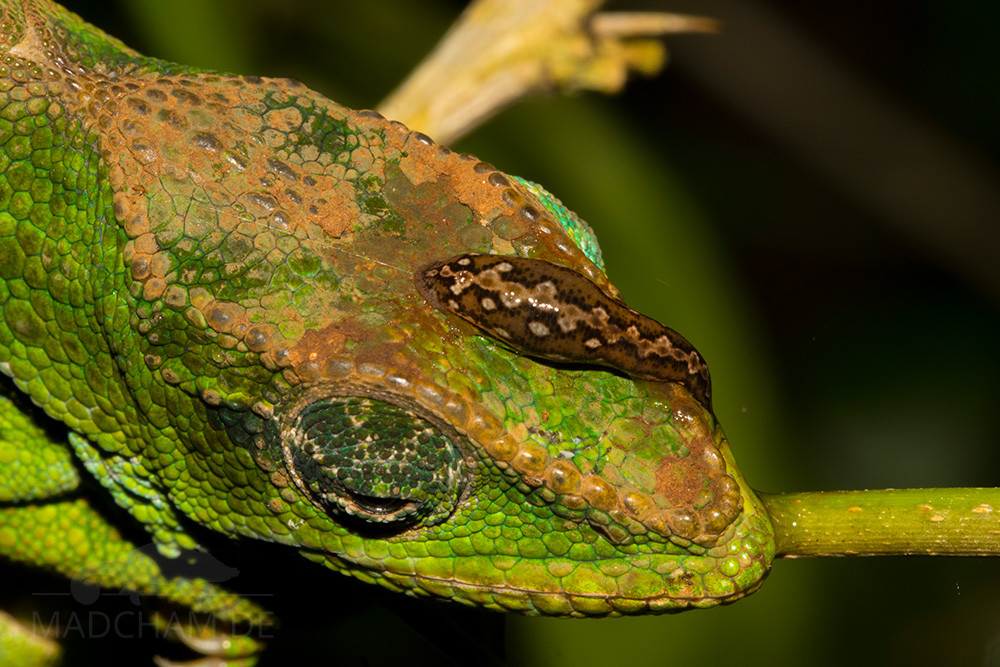
Parasites
Parasites are a very common problem in chameleons, particularly in wild-caught animals and those captive-bred in large breeding facilities. Generally speaking, a distinction is made between endoparasites and ectoparasites. Endoparasites are those that colonise...
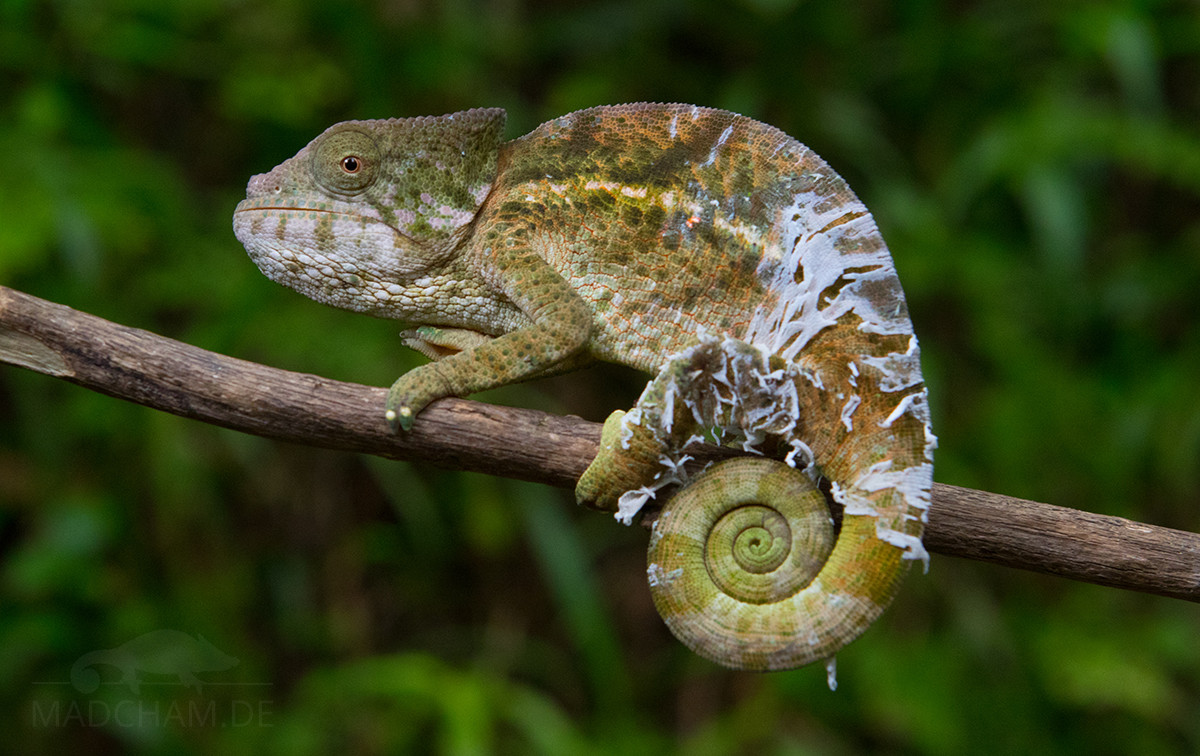
Shedding problems
Shedding problems A shedding problem means that the chameleon has shed almost completely, but some pieces of the old skin have been remaining for days. The old skin looks milky in this area or...
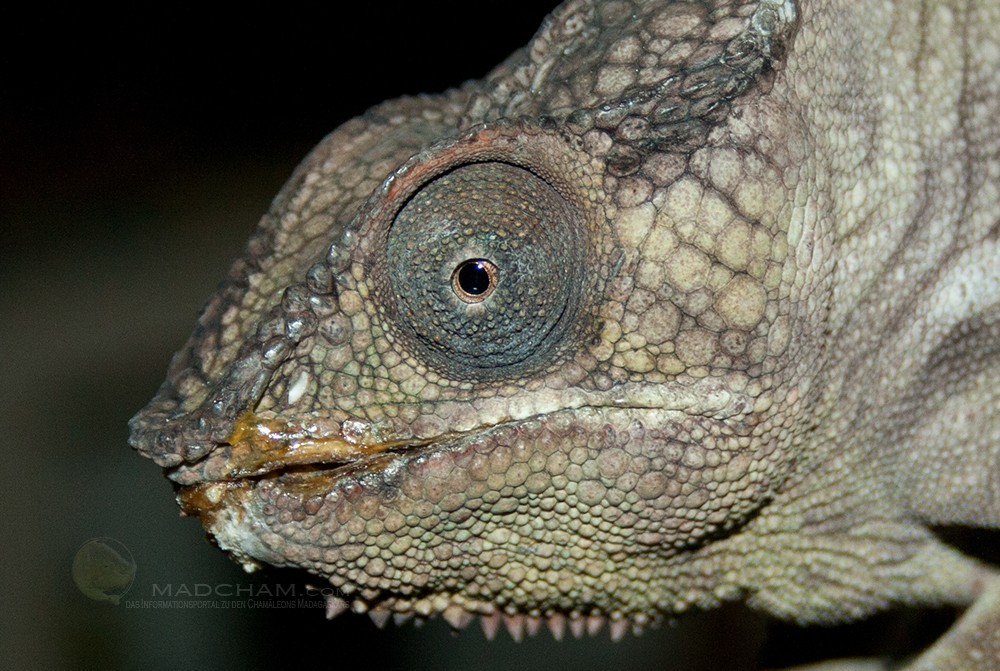
Mouth rot
Mouth rot – what is it? „Mouth rot“ is a common term for the inflammation of mouth mucosa in chameleons. The medicinal term is stomatitis, in the case of the already affected bone and...
Egg-binding
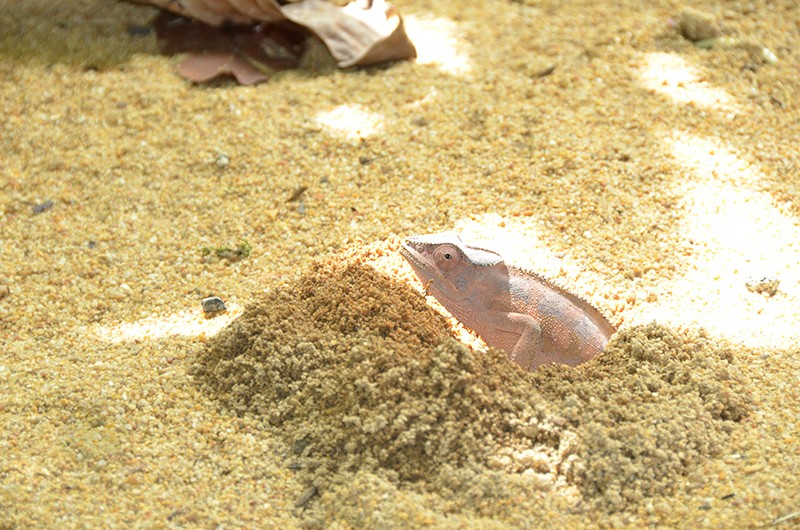
What means egg-binding? Egg-binding describes the fact that a female cannot lay her ready-to-lay eggs. Causes There are many things that can cause a chameleon to be egg bound: The eggs are too much...
Local form Ankarana West
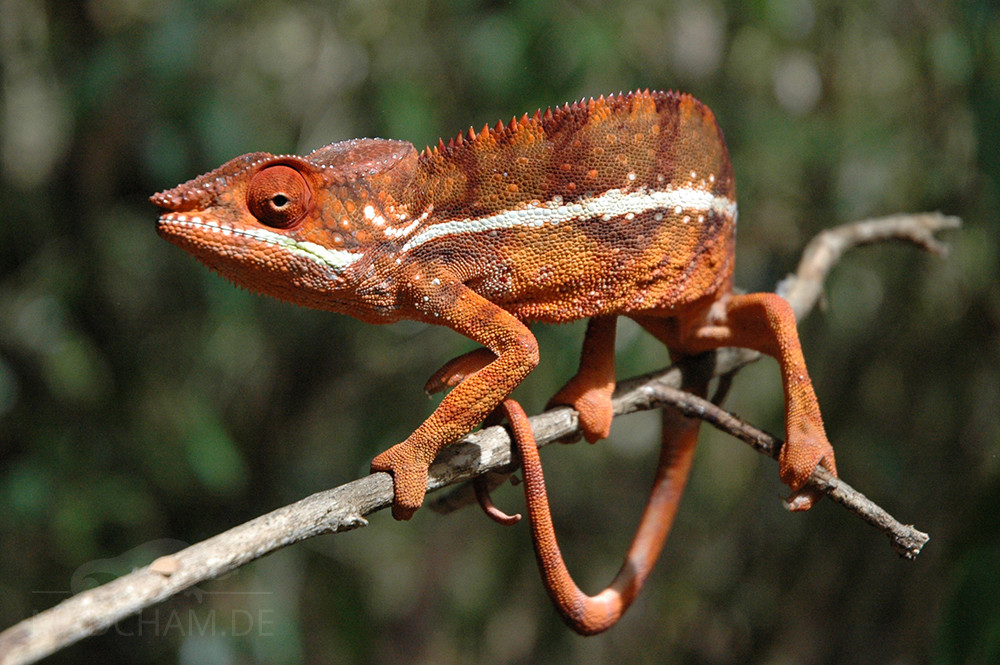
Distribution of the local form: Ankarana national park is in northwest Madagascar in region Diana. It is separated into two large areas by the Tsingys, an impressive needlestone formation. One side is the east,...

Local form Ankarana East
Distribution of the local form Ankarana East The Ankarana National Park is located in the northwest of Madagascar in the Diana region. By the Tsingys, an impressive needle rock formation, the National Park is...
Furcifer willsii
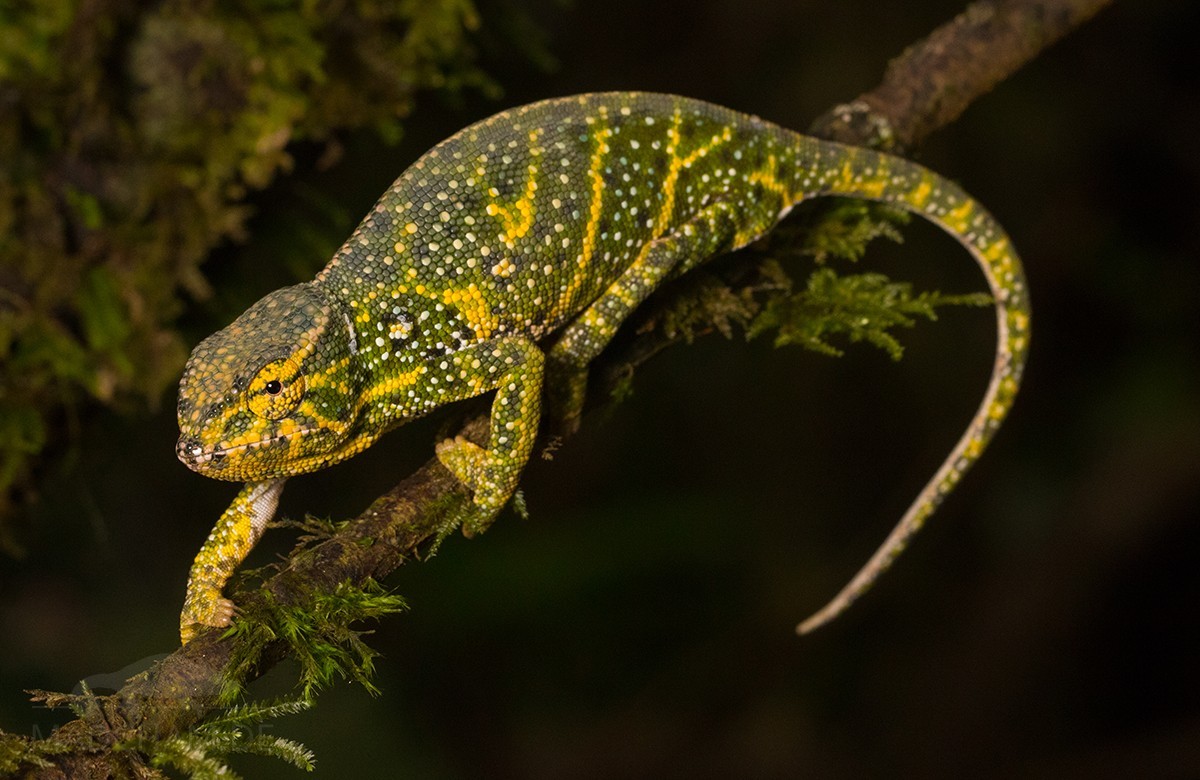
First description: (Günther, 1890) Origin of the species name: The German zoologist Albert Carl Ludwig Gotthilf Günther, then Director of the Zoological Department of the Natural History Museum of London (Great Britain), named this...
Furcifer viridis
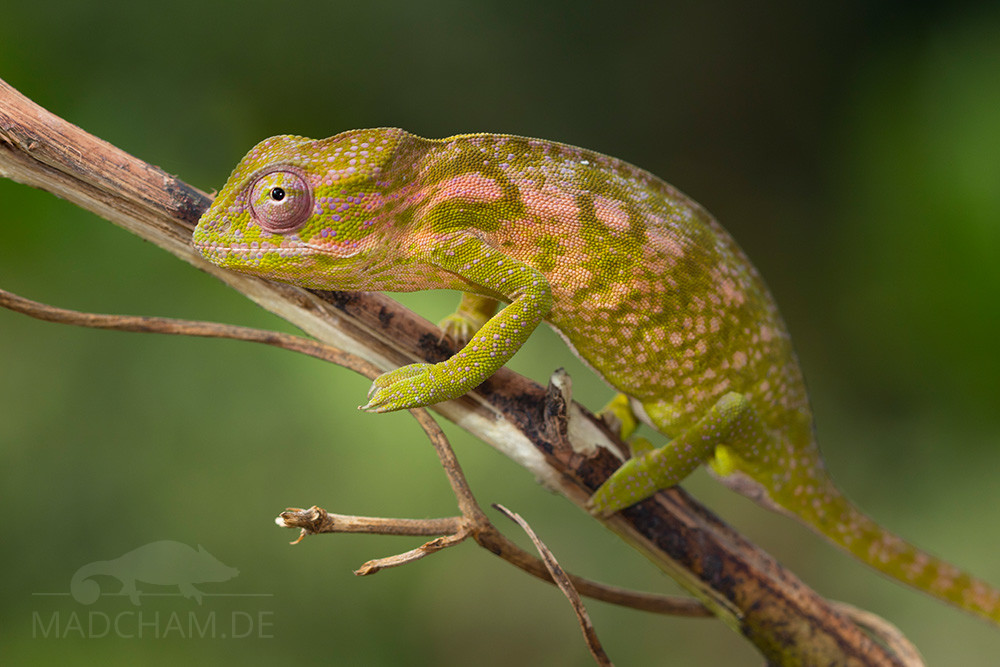
First description: Florio, Ingram, Rakotondravony, Louis & Raxworthy, 2012 Origin of the species name: The biologists Antonia M. Florio, Colleen M. Ingram from the Natural History Museum in New York (USA), Hery A. Rakotondravony...
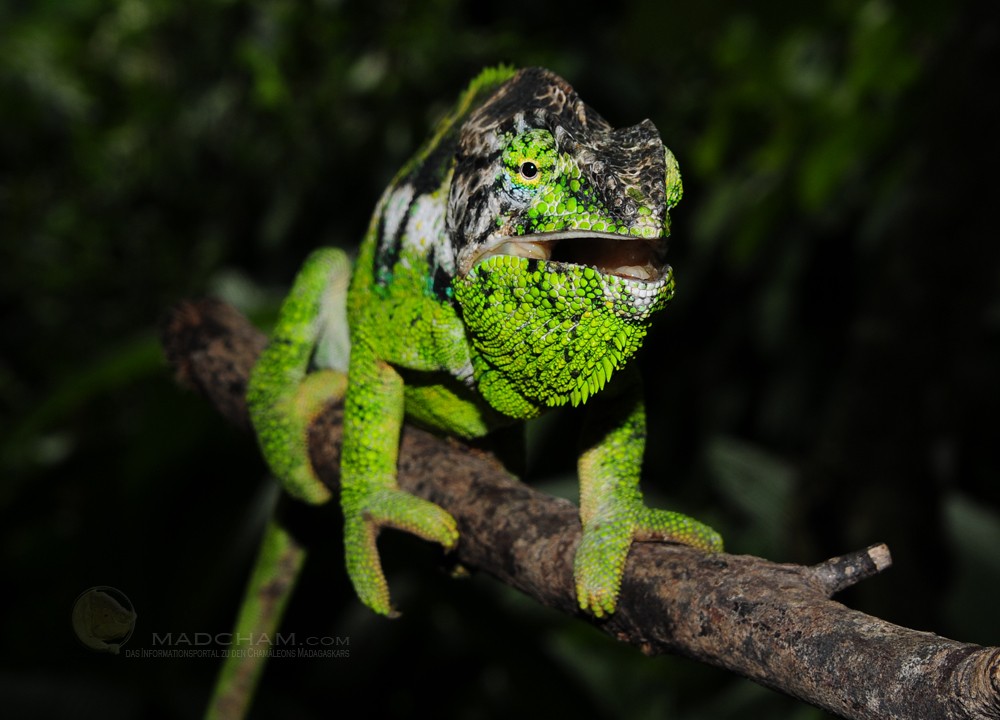
Furcifer verrucosus
First description: (Cuvier, 1829) Origin of the species name: The French zoologist and palaeontologist Georges Léopold Chrétien Frédéric Dagobert Baron Cuvier founded the largest anatomical collection in Europe at the University of Paris (France)....


Follow us on Instagram

Most popular articles


Your travel specialist for Madagascar