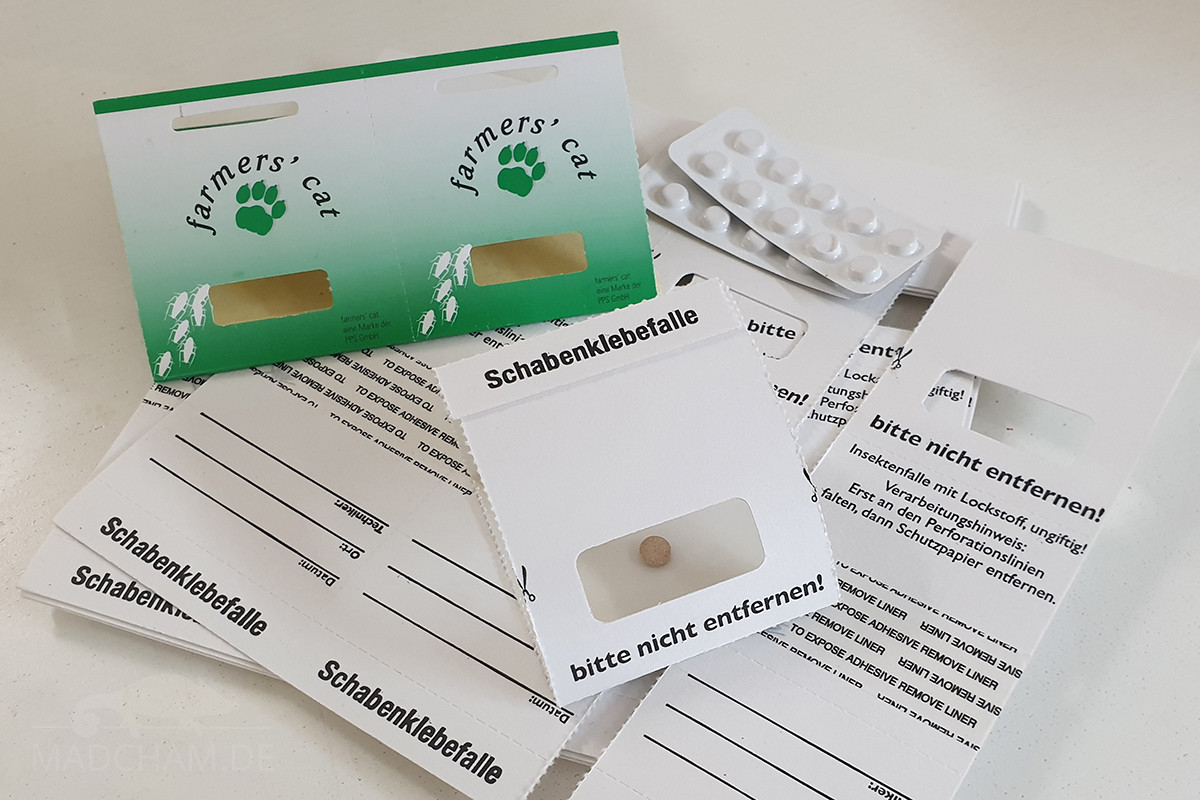
Recapturing escaped feeders
At some point it happens to every chameleon keeper: feeders, which were actually meant for the chameleon, have made off and run around freely in the apartment. Most feeders cannot reproduce in the average...
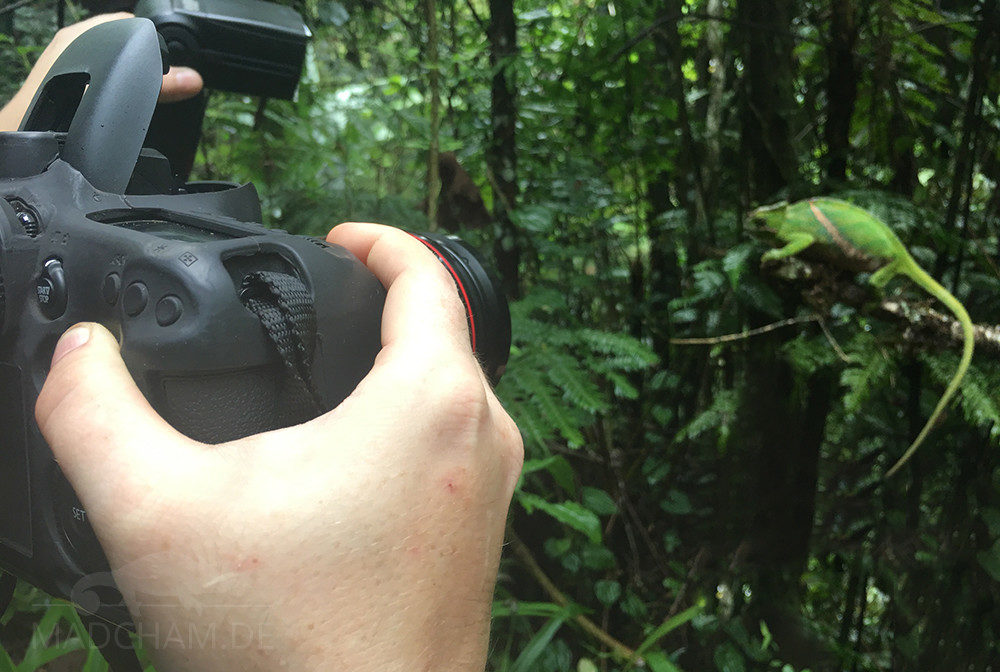
Photographing chameleons
Photographing chameleons in their natural habitat is not only exciting but also a lot of fun. Not least through the passion for chameleons and photography, this website was created! Therefore, there is now a...

Pathfinder
Since our website now contains around 200 individual articles, this guide was created to provide an overview. This page explains what can be found where and which topics are sorted where and in which...
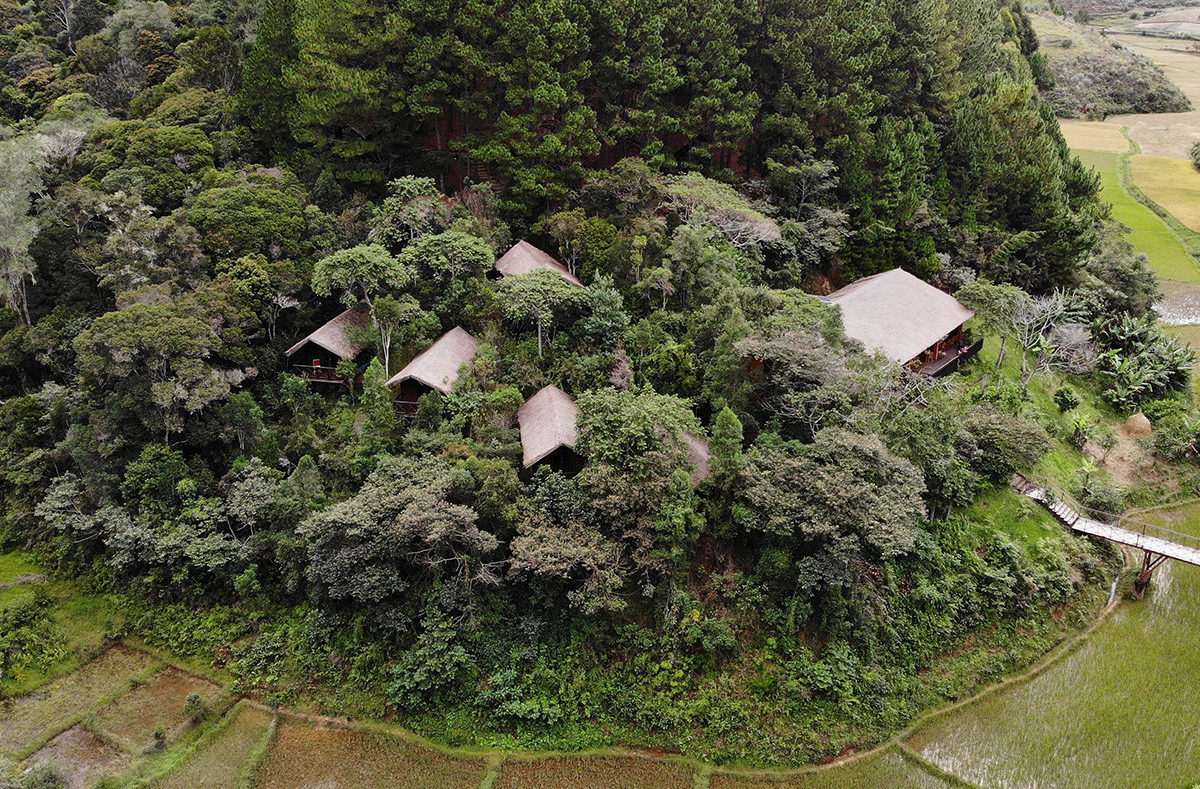
Info about Madagascar
Madagascar is the fourth largest island in the world with 587,295 km². That is slightly less than the area of France, but significantly larger than Germany. Madagascar is located in the Indian Ocean, about...
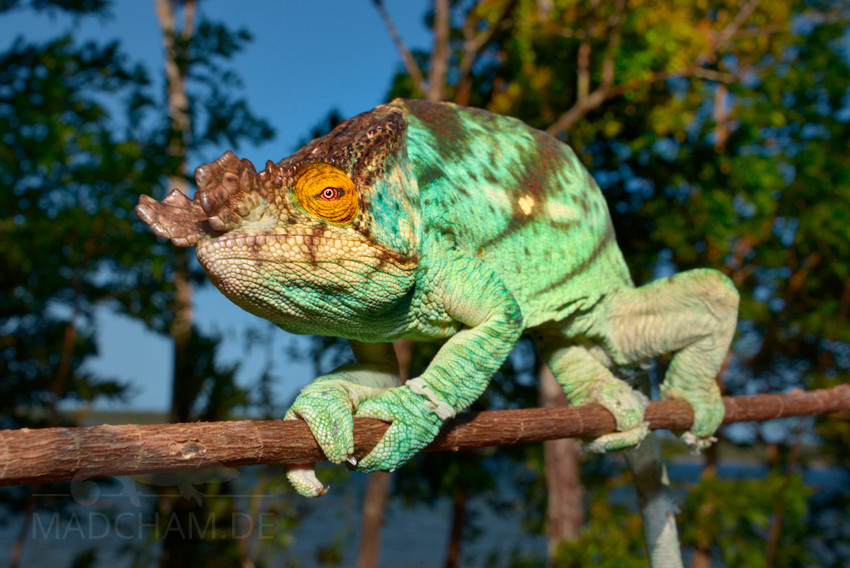
Brumation
Among many chameleon keepers, it is a recurring topic: hibernation in the terrarium. Should you offer a brumation period, if yes with which species and why at all? This article is intended to get...
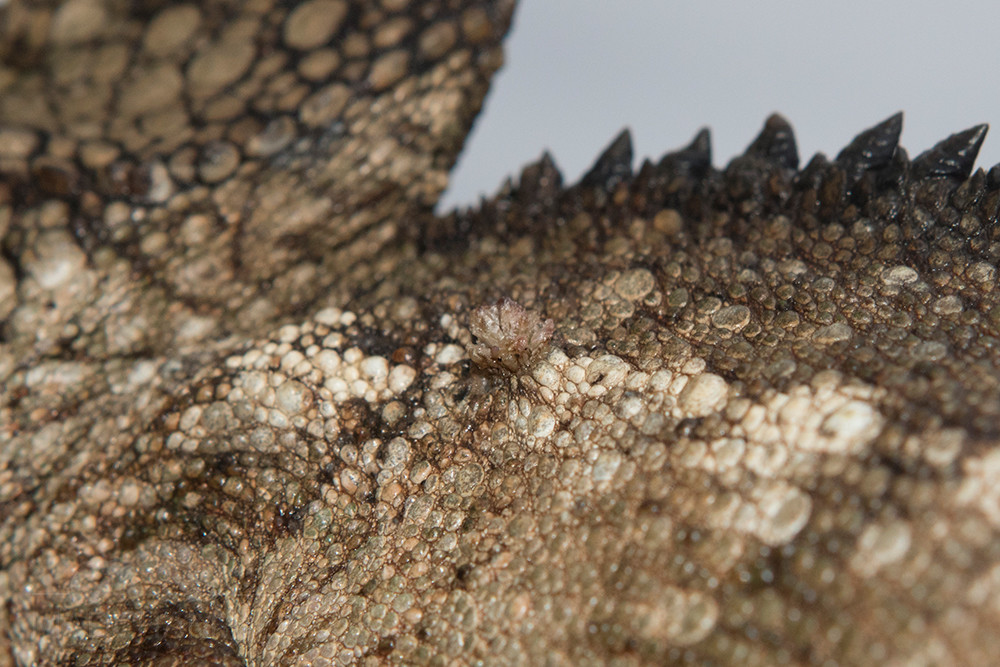
Skin tumours
Put simply, a tumour is a mass of the body’s own cells that multiplies. The word comes from Latin and roughly means ‘growth’ or ‘swelling’. Generally speaking, one could simply refer to skin tumours...
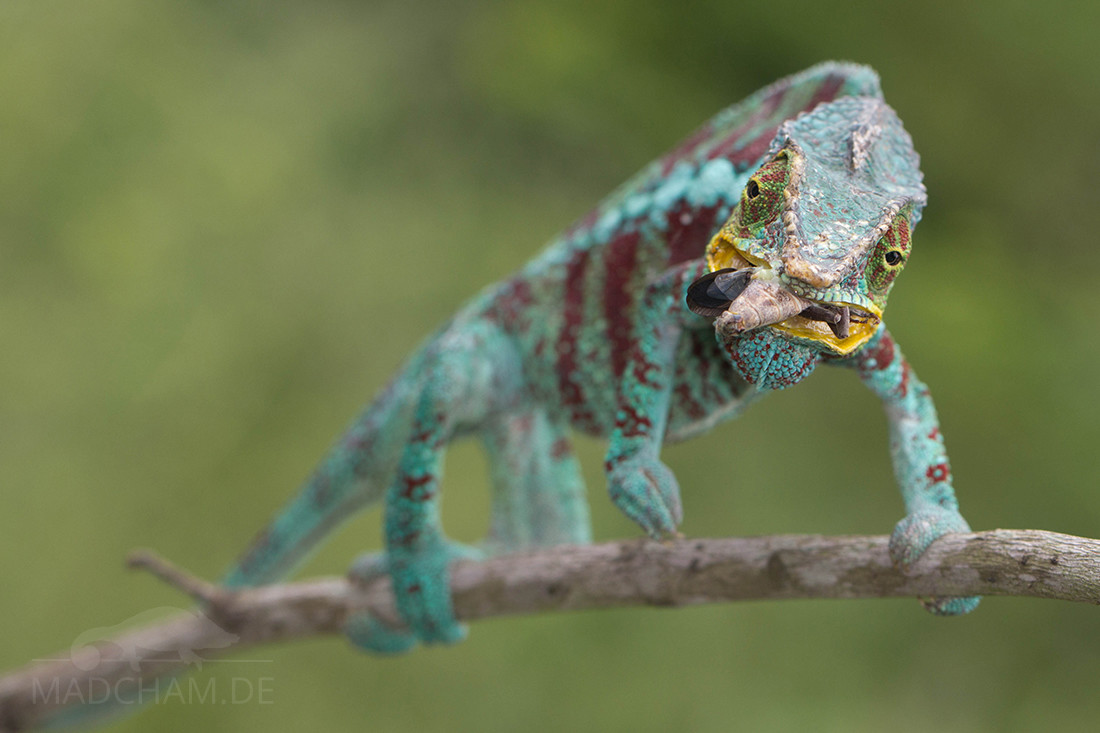
Chameleon food
What do chameleons actually eat in Madagascar? This has not been really well studied yet. This article aims to summarize the current state of research and observations on the diet of chameleons on the...
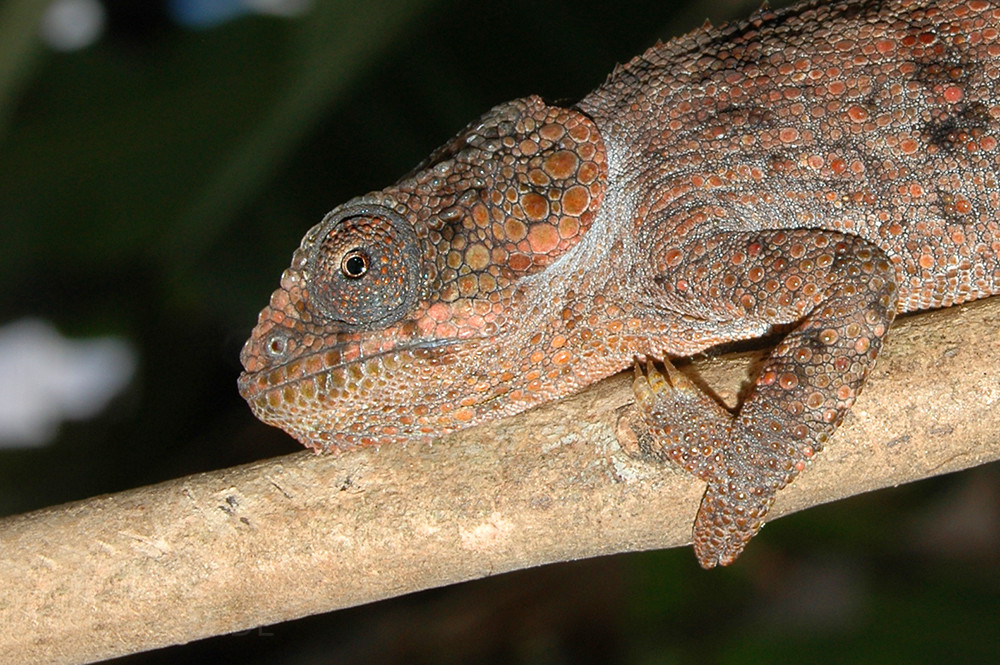
Calumma hilleniusi
First description: (Brygoo, Blanc & Domergue, 1973) Origin of the species name: The Dutch herpetologist Dick Hillenius received his doctorate in 1959 on the genus Chamaeleo at the Zoological Museum of Amsterdam (Netherlands). At...
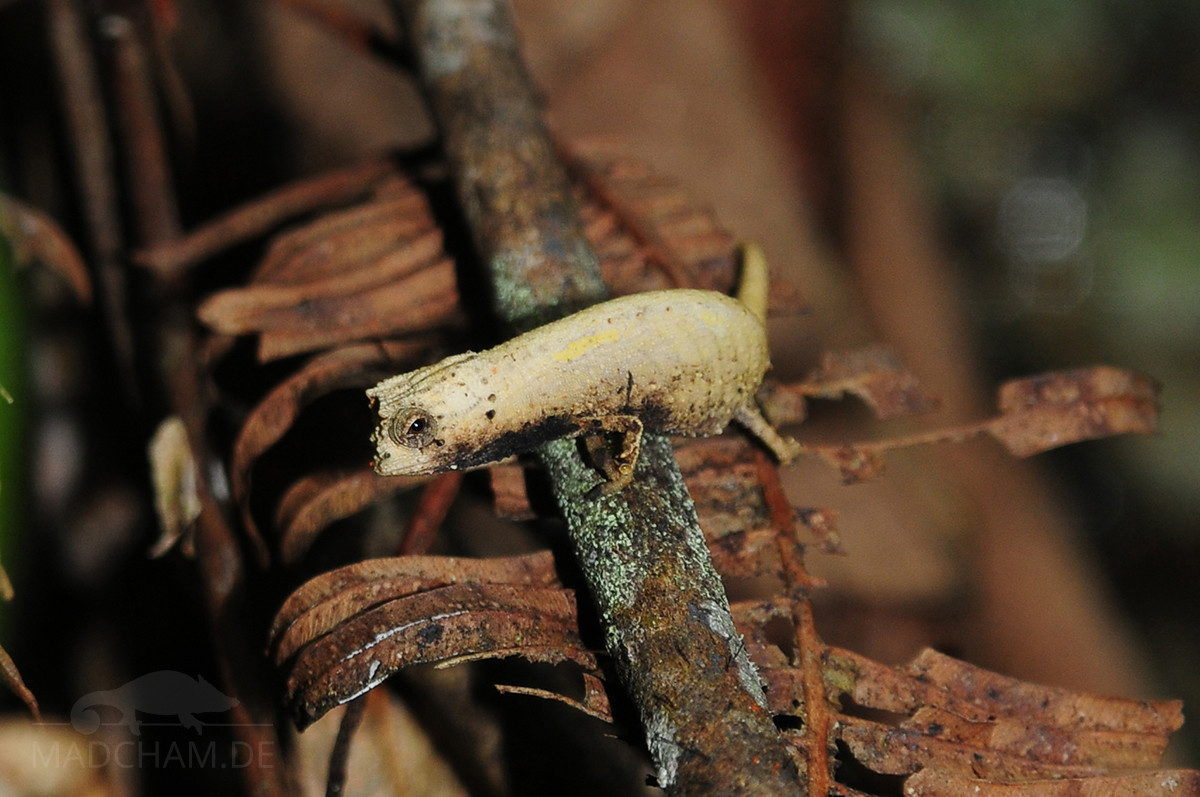
Brookesia ramanantsoai
First description: Brygoo & Domergue, 1975 Origin of the species name: Édouard-Raoul Brygoo (later working at the Natural History Museum in Paris, France) and Charles Antoine Domergue of the then Institut Pasteur in Antananarivo,...
Tongue test behavior
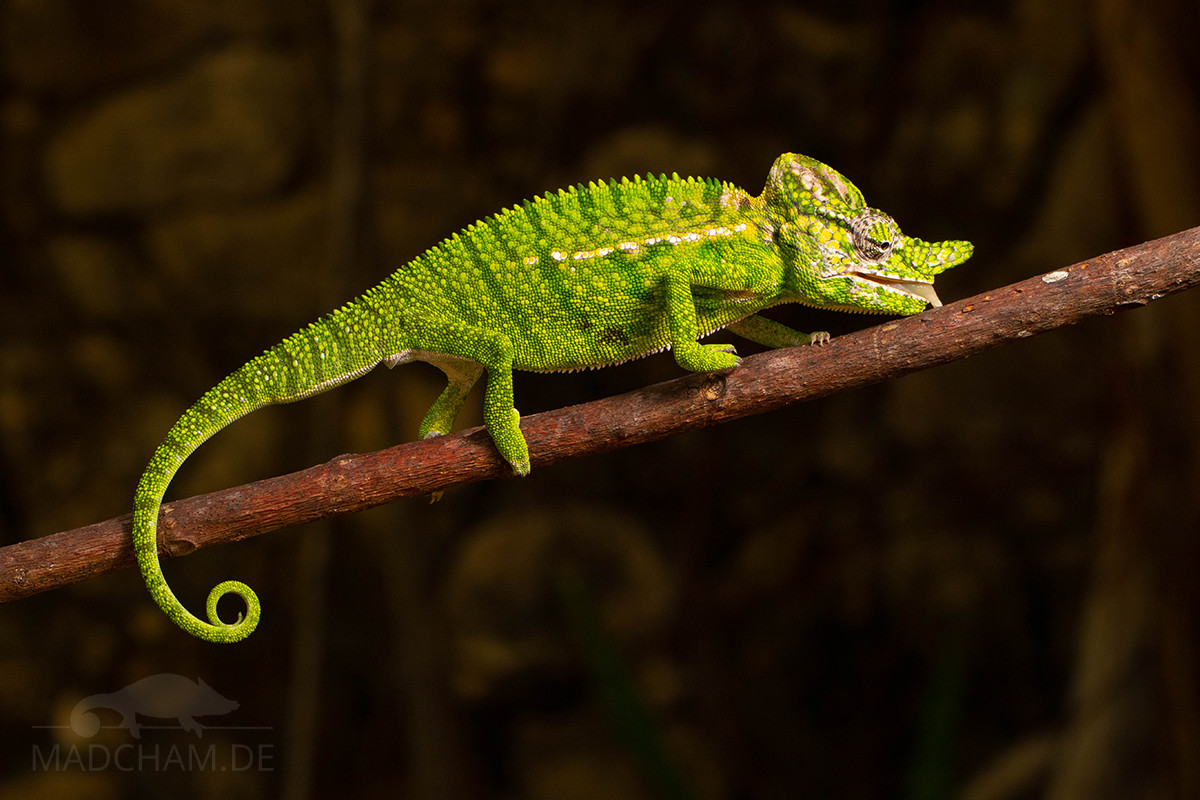
In Madagascar, you can observe it quite often: The so-called tongue test behavior. A chameleon walking at a leisurely pace shifts its tongue forward a little so that two small projections become visible under...


Follow us on Instagram

Most popular articles


Your travel specialist for Madagascar