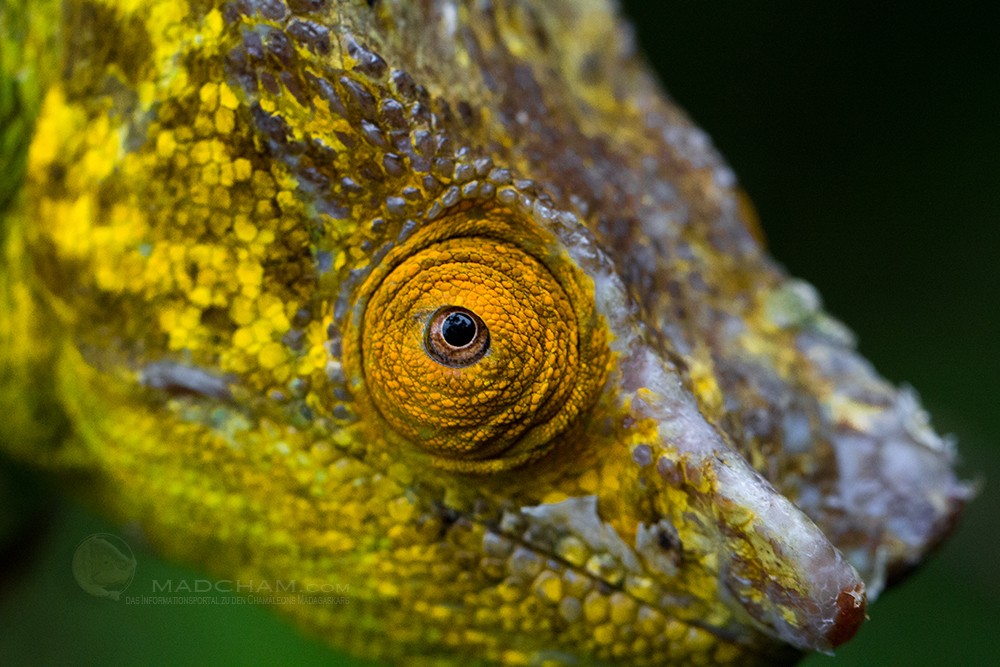
The chameleon eye
The eyes are probably one of the most striking specializations of the chameleon. The chameleon basically has a lens eye like a human being. However, for the purpose of enlarging the field of vision,...
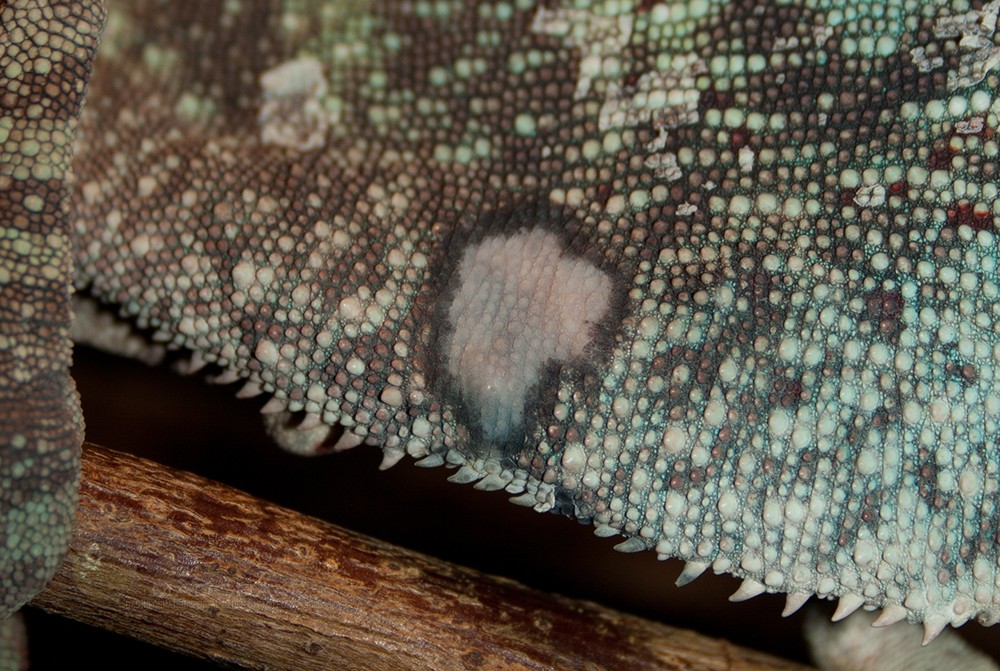
Burnings
How does burning occur? A burning is a damage of the skin through high heat exposure or short-waved UVB rays. Both damages skin tissue which leads to a locally limited inflammation. As long as...
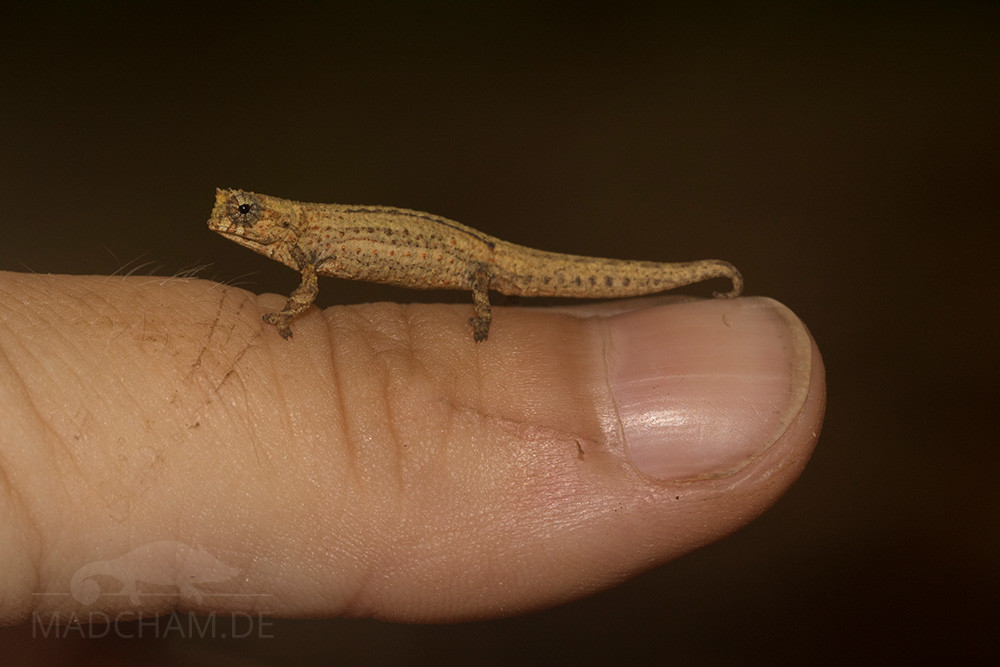
Brookesia tuberculata
First description: Mocquard, 1894 Origin of the species name: The zoologist François Mocquard of the Natural History Museum in Paris (France) borrowed the species name from the Latin tubercula, which means “many bumps”. In...
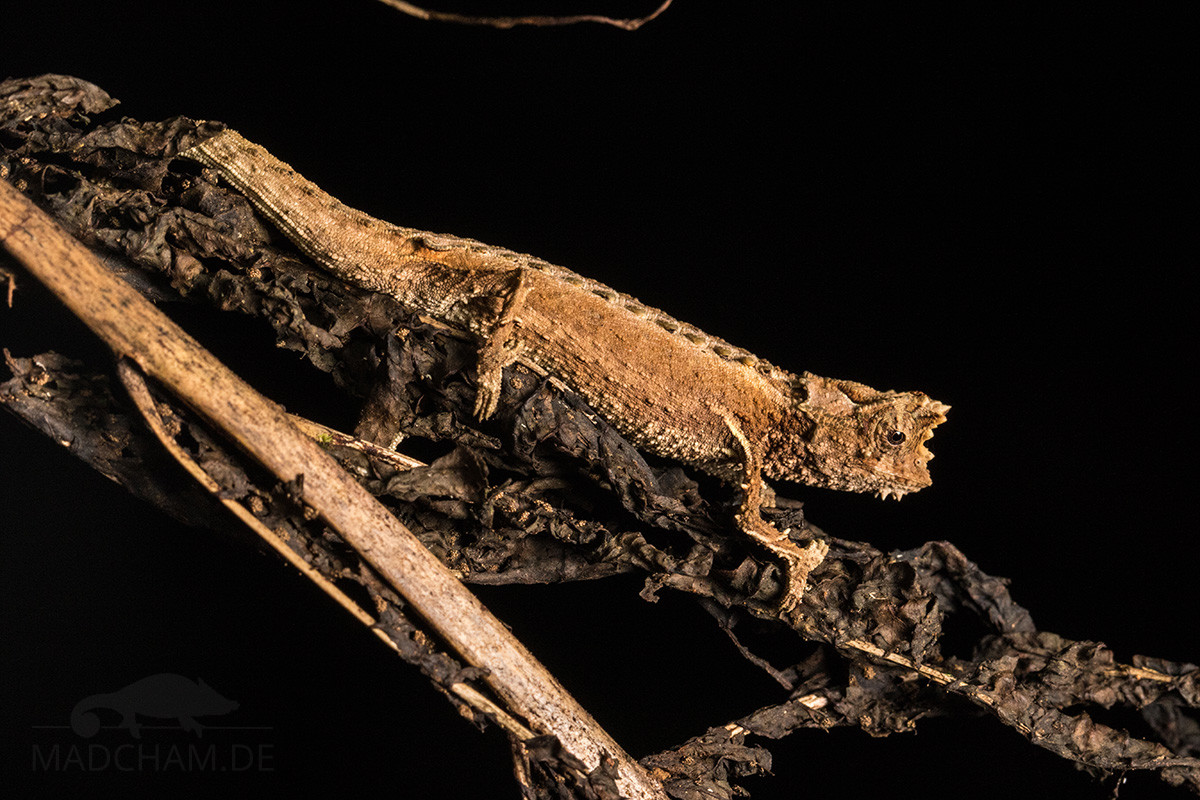
Brookesia thieli
First description: Brygoo & Domergue, 1969 Origin of the species’ name: Édouard-Raoul Brygoo (later working at the Natural History Museum in Paris, France) and Charles Antoine Domergue of the then Institut Pasteur in Antananarivo,...
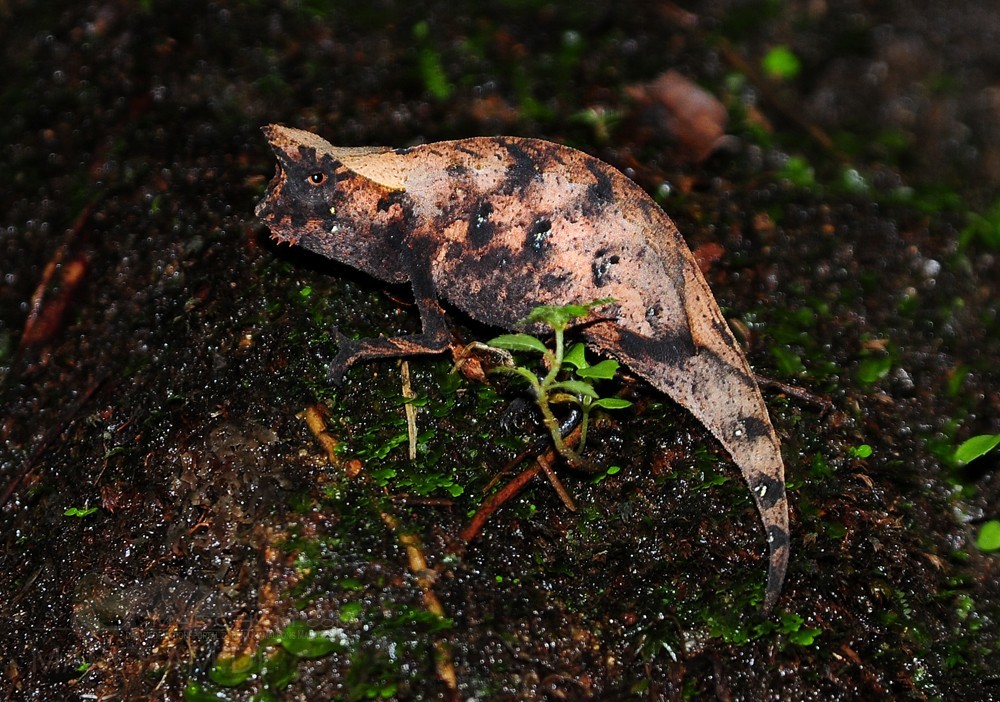
Brookesia therezieni
First description: Brygoo & Domergue, 1970 Origin of the species name: Édouard-Raoul Brygoo (later working at the Natural History Museum in Paris, France) and Charles Antoine Domergue of the then Institut Pasteur in...
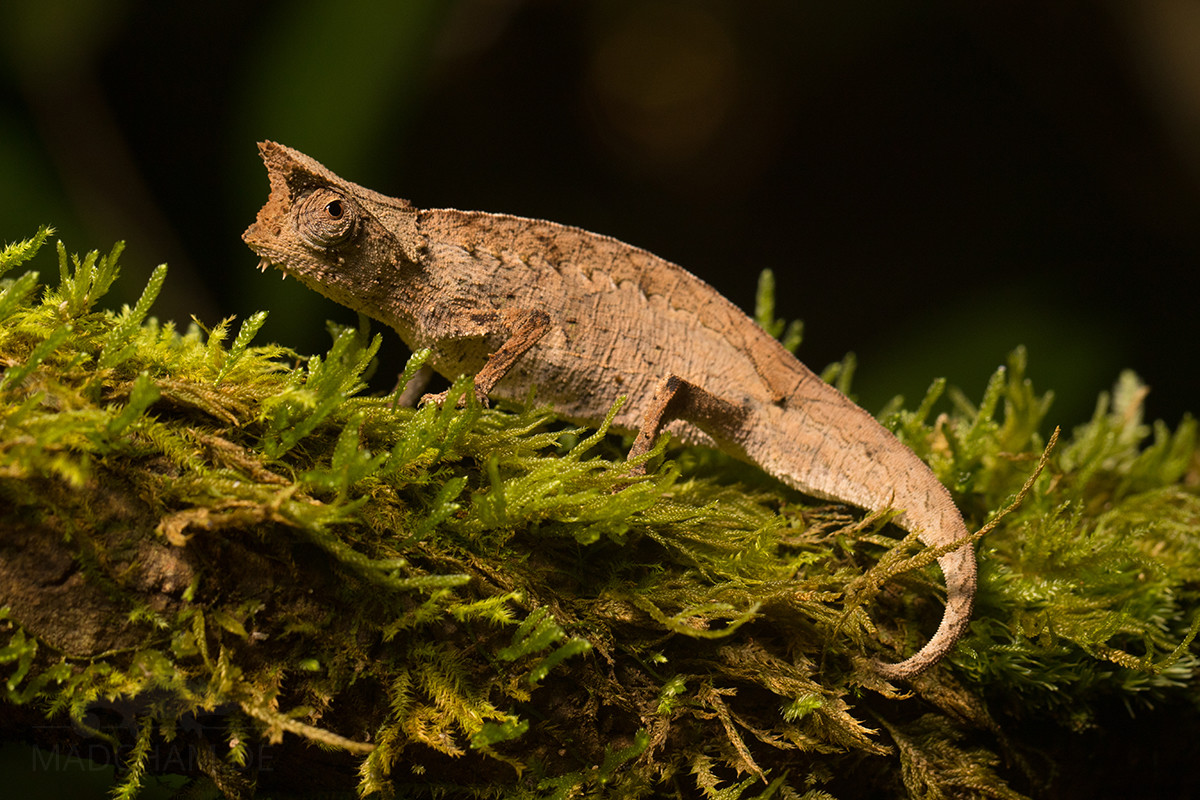
Brookesia superciliaris
First description: (Kuhl, 1820) Origin of the species name: The ornithologist Dr. Heinrich Kuhl from Francfort (Germany) named this chameleon species after its immediately recognizable, conspicuous bony projections above the eyes. The Latin word...
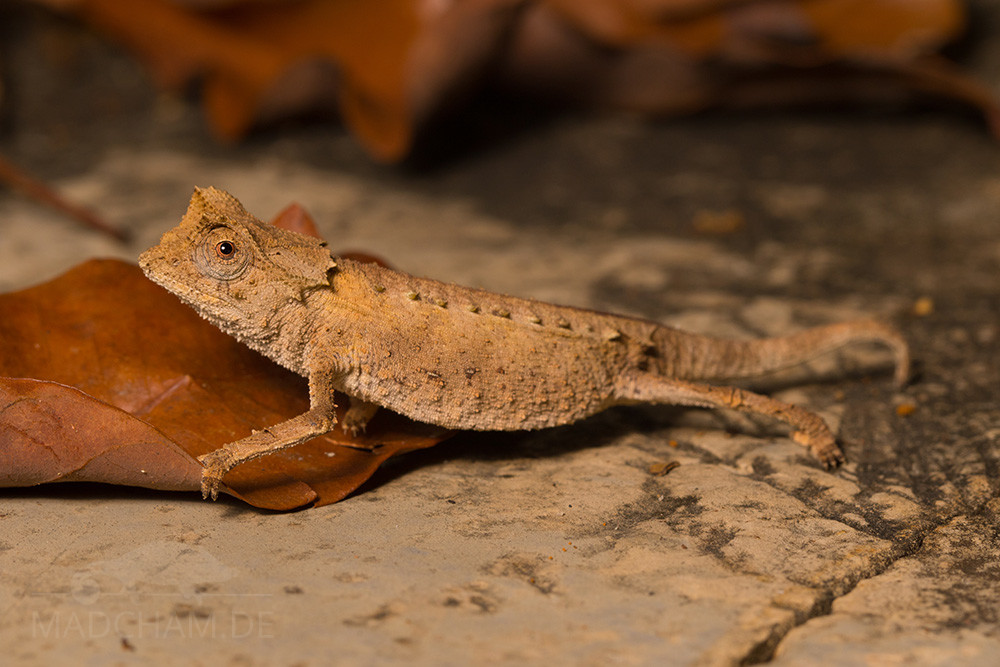
Brookesia stumpffi
First description: Boettger, 1984 Origin of the species name: The paleontologist Oskar Böttger, then curator of the Senckenberg Museum in Francfort (Germany), named the species after Anton Stumpff. Together with Carl Ebenau, General Representative...
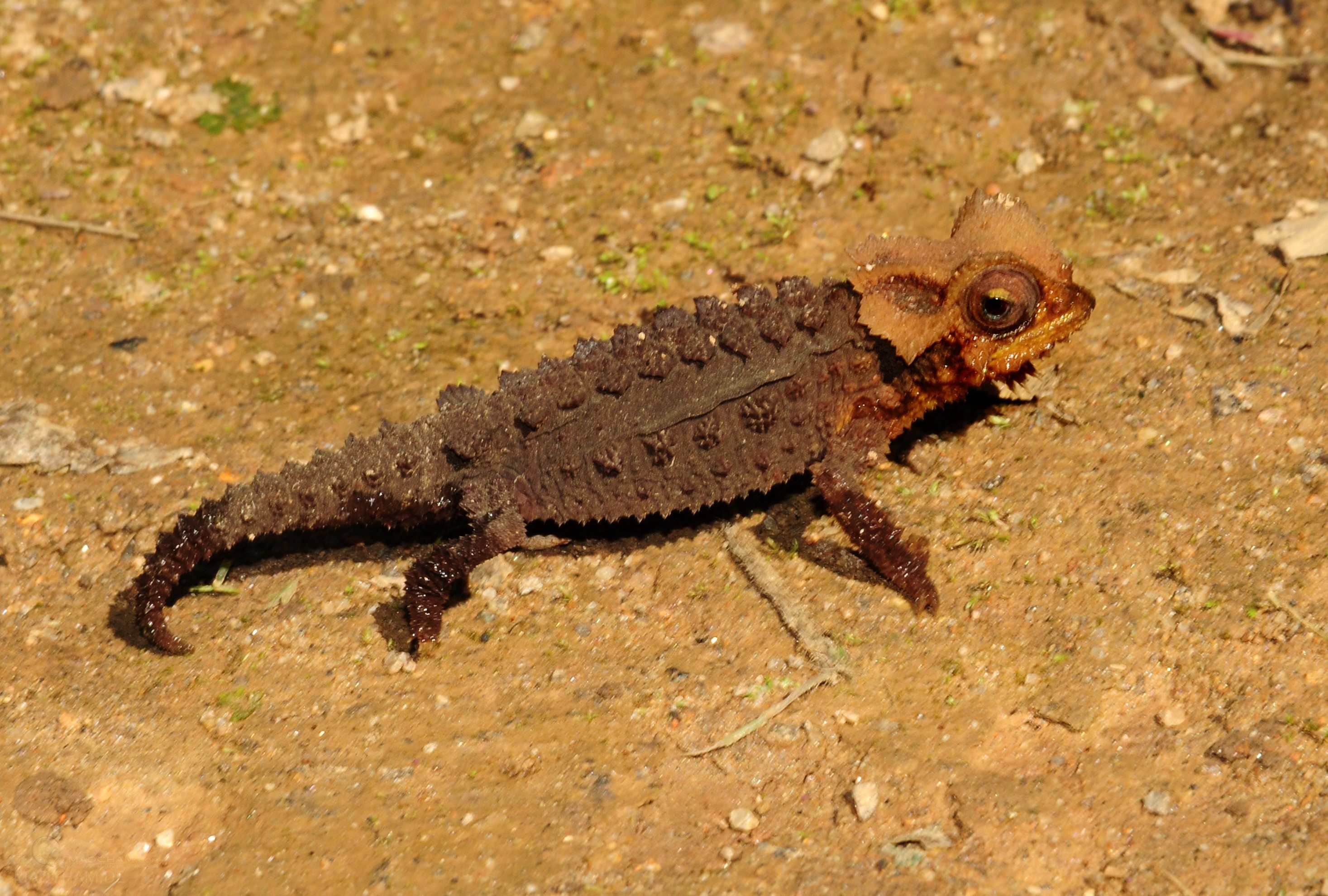
Brookesia perarmata
First description: (Angel, 1933) Origin of the species name: Fernand Angel described this chameleon species in his function as an assistant taxidermist using a prepared animal that was kept in the Natural History Museum...
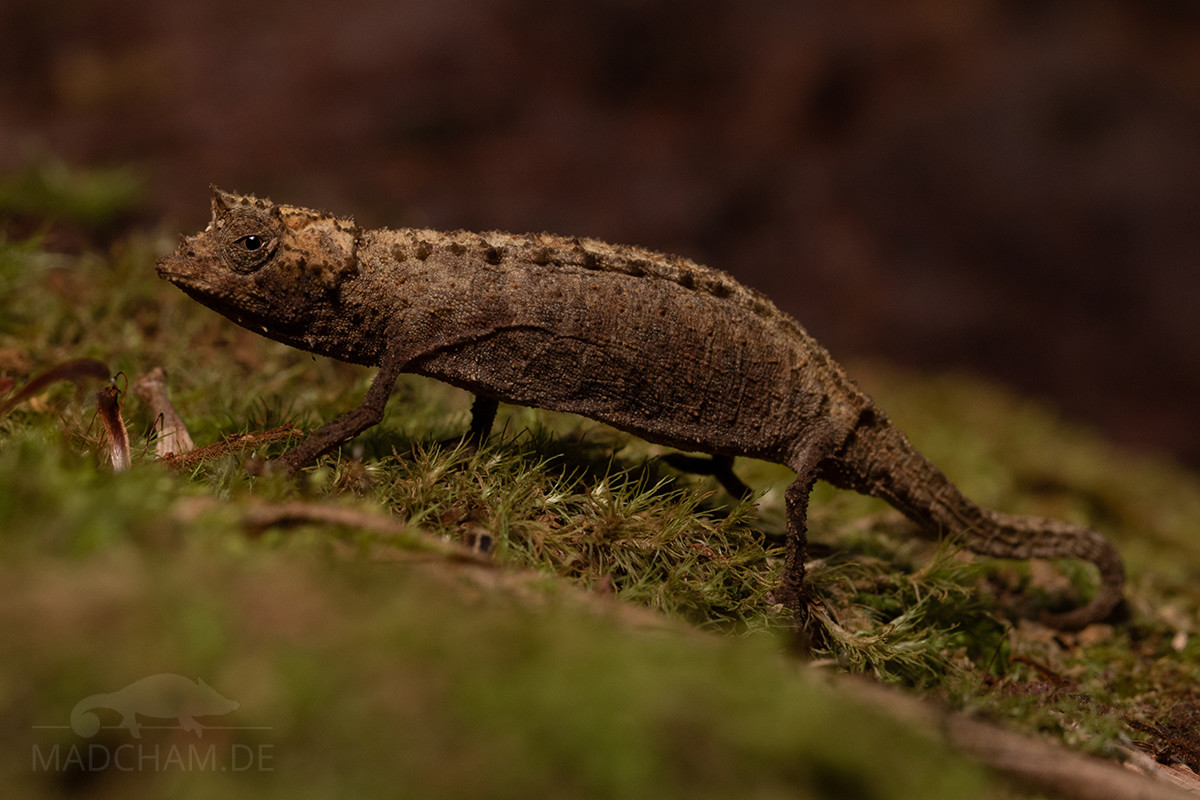
Brookesia karchei
First description: Brygoo, Blanc & Domergue, 1970 Origin of the species name: Édouard-Raoul Brygoo (later working at the Natural History Museum in Paris, France), Charles Pierre Blanc and Charles Antoine Domergue from the then...
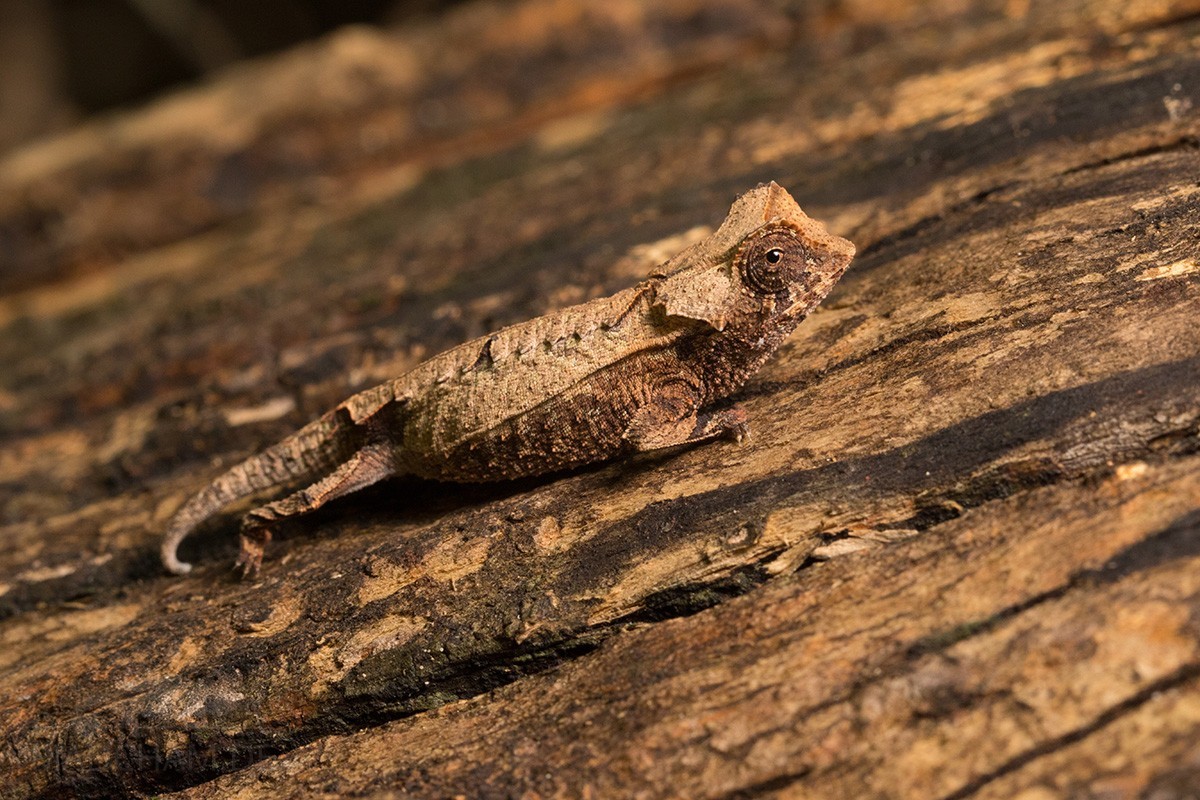
Brookesia decaryi
First description: Angel, 1939 Origin of the species name: Fernand Angel described this chameleon species on the basis of prepared animals that were kept in the Natural History Museum of Paris (France). The chameleons...


Follow us on Instagram

Most popular articles


Your travel specialist for Madagascar