No legal export possible
Fist description:
Vences, Rothe, Glaw, Scherz, Gehring, Hawlitschek, Kuhn, Multzsch, Petzold, Preick, Rakotoarimalala, Raselimanana, Ratsoavina, Ruane, Vieites, Hofreiter & Dufresnes, 2026

Origin of the species name:
The German herpetologist Miguel Vences named the chameleon in honour of the South African herpetologist Krystal Tolley. Krystal Tolley is a professor of zoology at the University of Johannesburg (South Africa). For many years, she has been researching the systematics, taxonomy and evolutionary biology of chameleons, snakes and other reptiles in South Africa. She has already been involved in numerous new descriptions of chameleon species. She currently also chairs the IUCN SSC Chameleon Specialist Group.
Distribution:
Several populations of Calumma krystalae are currently known, all of which occur exclusively in dense, largely intact rainforest in northern Madagascar. The northernmost population is found in the Sorata Massif, whilst another is found in the Tsaratanana Massif. Specimens of the species have also been discovered slightly south of the Tsaratanana Massif, in Andrevorevo. A fourth population of Calumma krystalae is found in Marojejy National Park in north-eastern Madagascar. We have found these chameleons there ourselves on several occasions between Camp Marojejya and Camp Simpona. Finally, Calumma krystalae is found in the rainforests around the lakes of Bemanevika and Ampotsidy, which lies a few kilometres further south-east. What all these forest areas have in common is that they are relatively remote and rarely visited by travellers. Calumma krystalae is found only at altitudes of between 1,280 and 1,638 metres. These chameleons are not found in lower-lying rainforest.
Appearance and size:
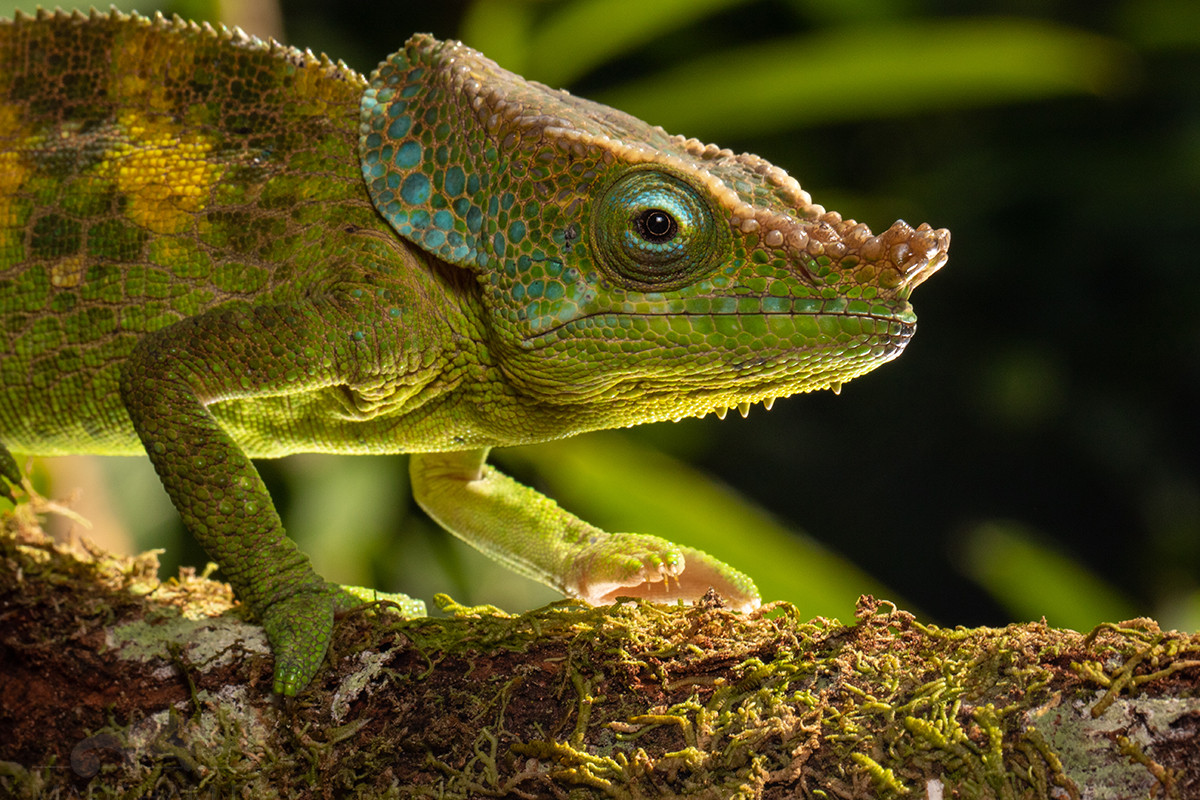
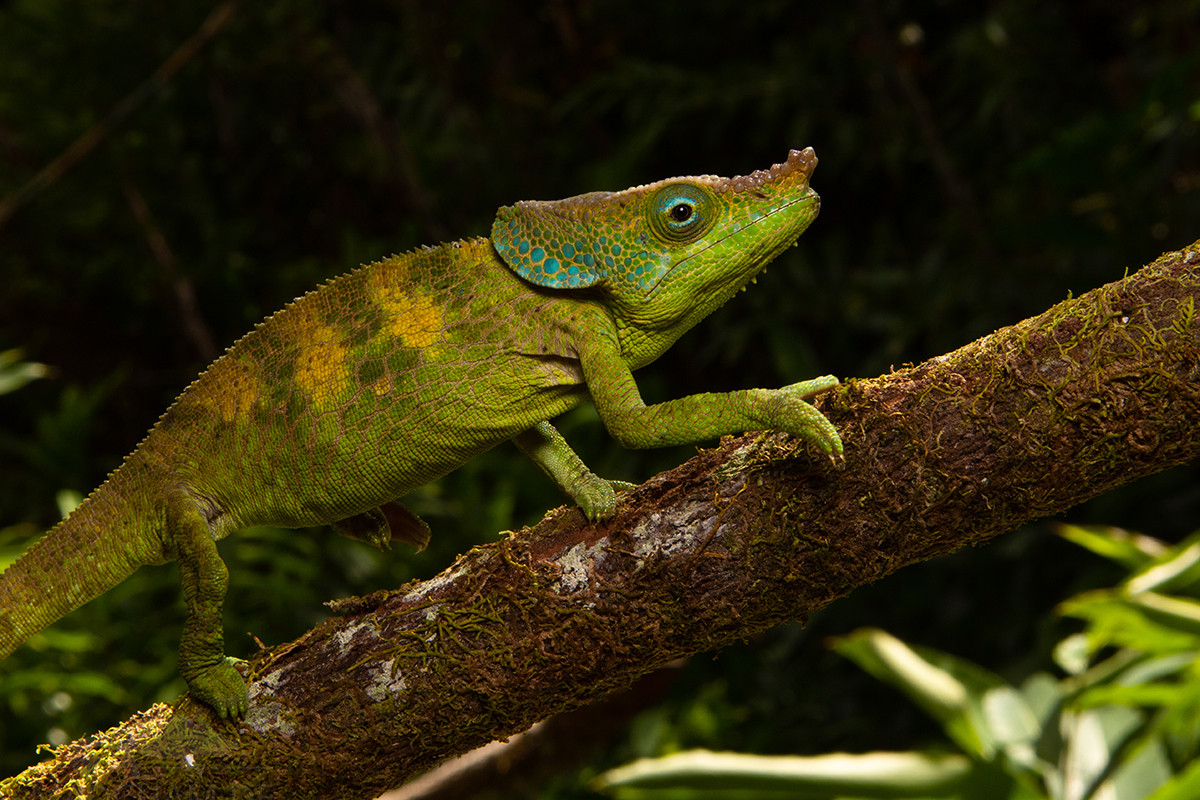
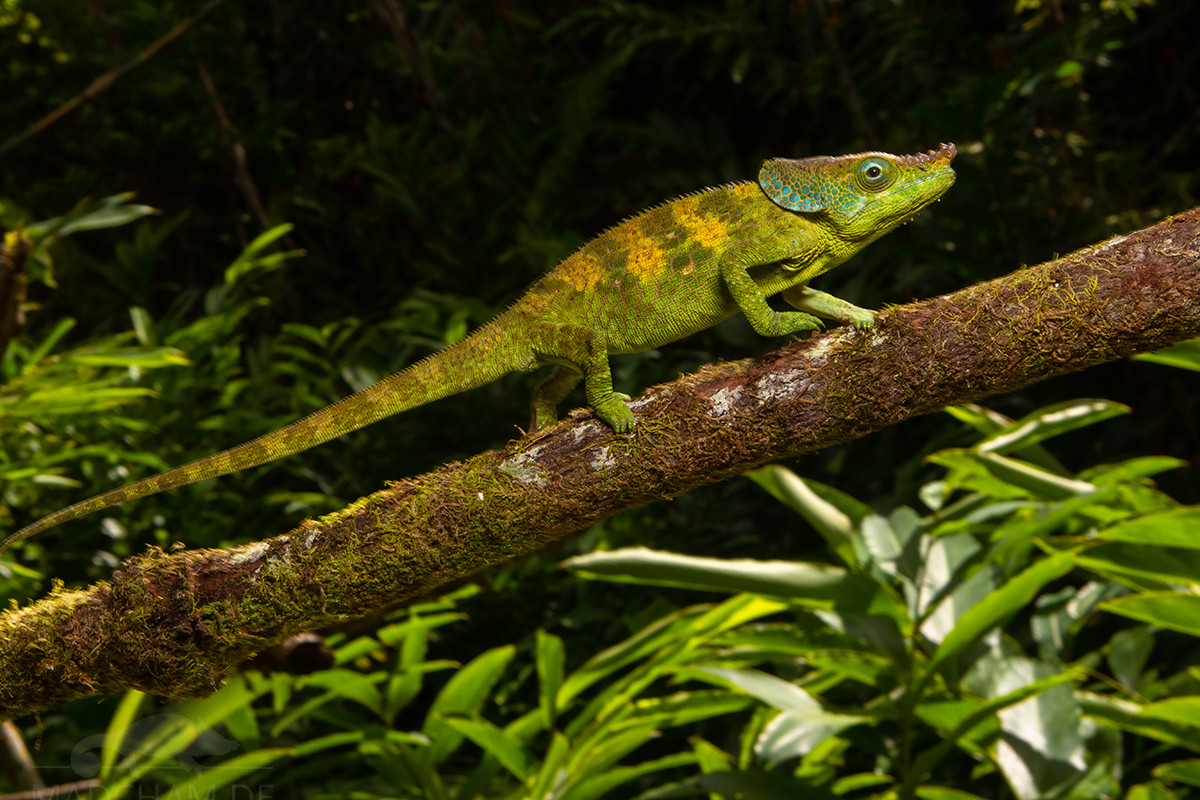
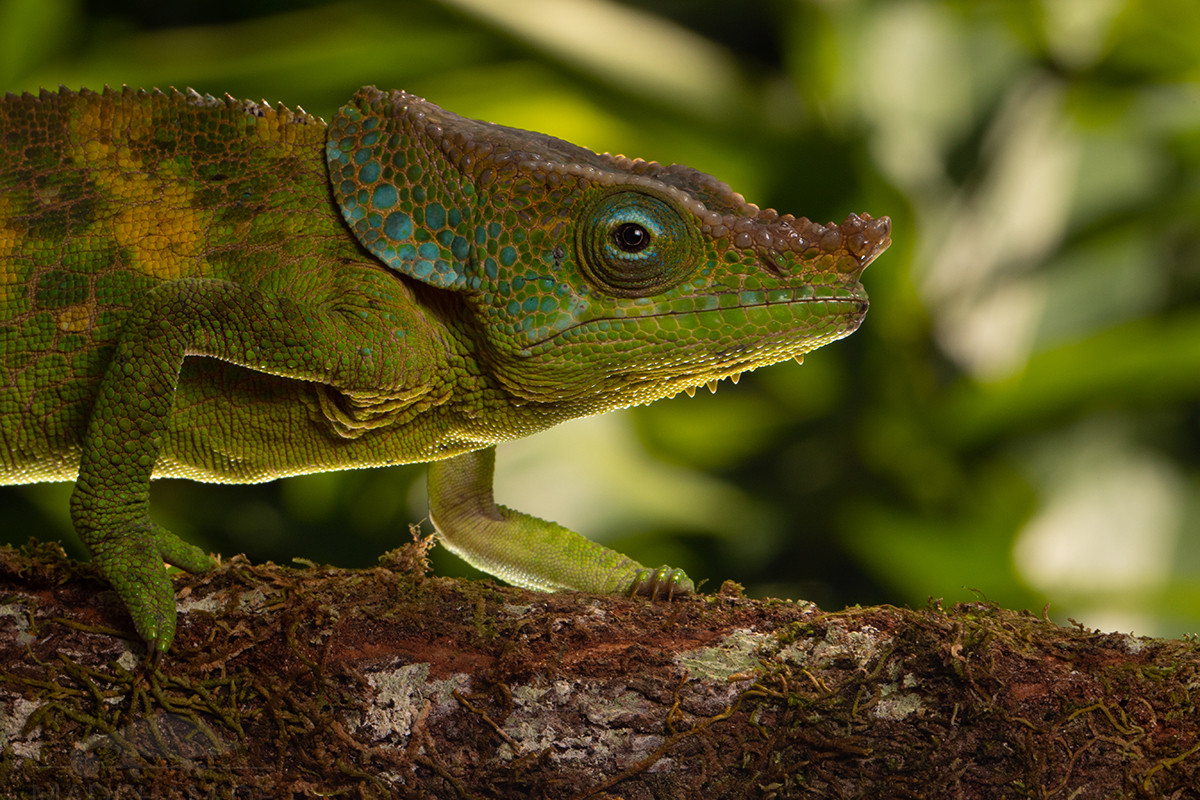
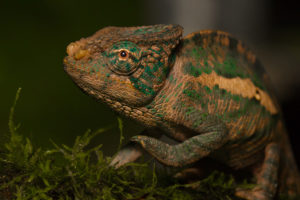
Calumma krystalae is a medium-sized chameleon with a total length of around 20 to 30 cm. Males of Calumma krystalae have a bony rostral appendage, whereas females do not. Both sexes have large occipital lobes, which are separated at the back of the head only by a small notch. There are always more than 160 scales on the occipital lobes; in most cases, there are even more than 200. The gular crest is only slightly pronounced, with rather small conical scales. Males have a dorsal crest consisting of conical scales, which is slightly smaller in females.
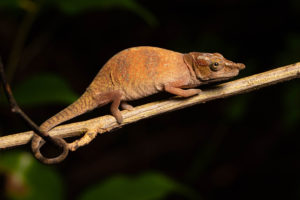
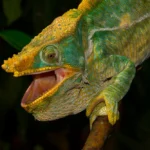
In terms of colour, the males of Calumma krystalae are light green with yellow or beige markings on their backs. The males’ eyelids and occipital lobes are often a bright light blue when excited. The females have less striking colours. They are usually marbled brown with small green markings. The eyelids and occipital lobes of female Calumma krystalae are also frequently green in colour. The following photographs show various juveniles of Calumma krystalae from Marojejy, all of which look extremely similar. The bright yellow-green colouration appears to be very typical of juveniles of this species in that area.
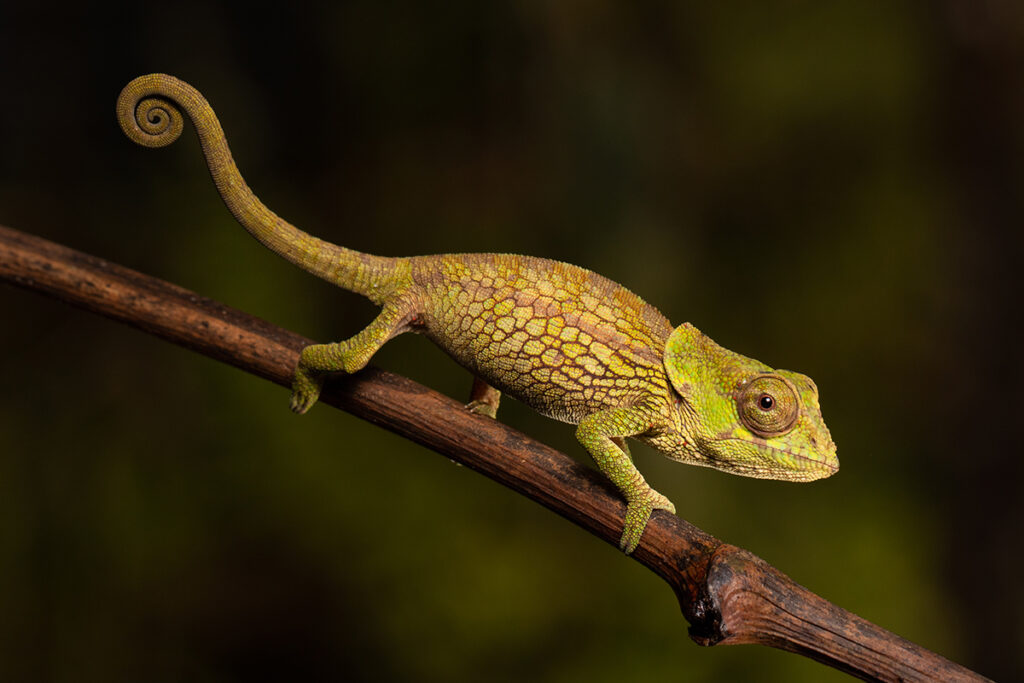
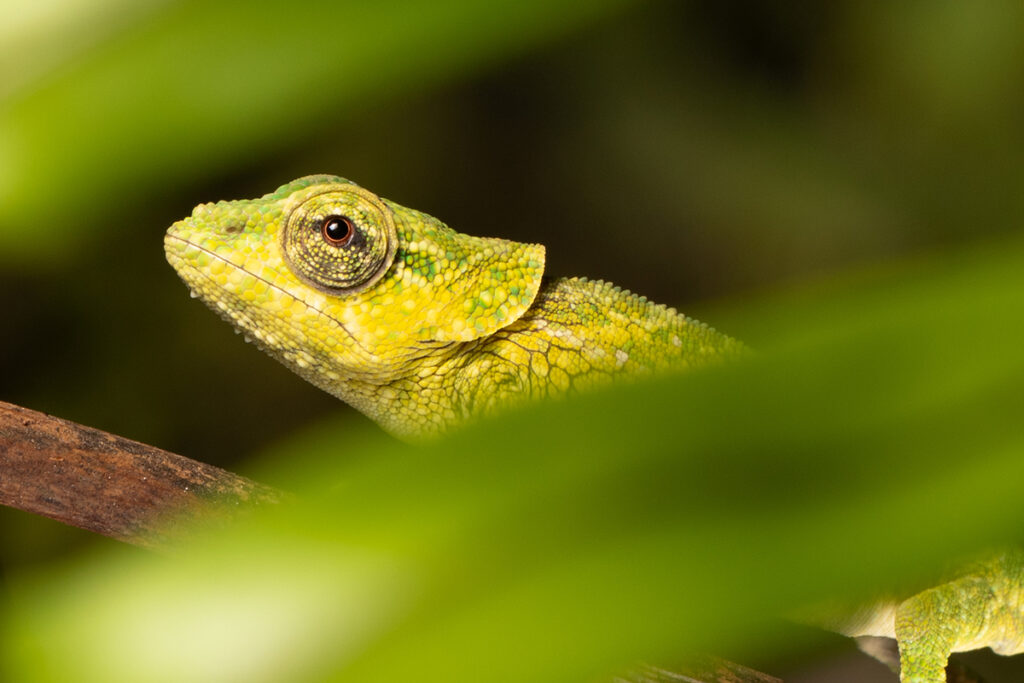
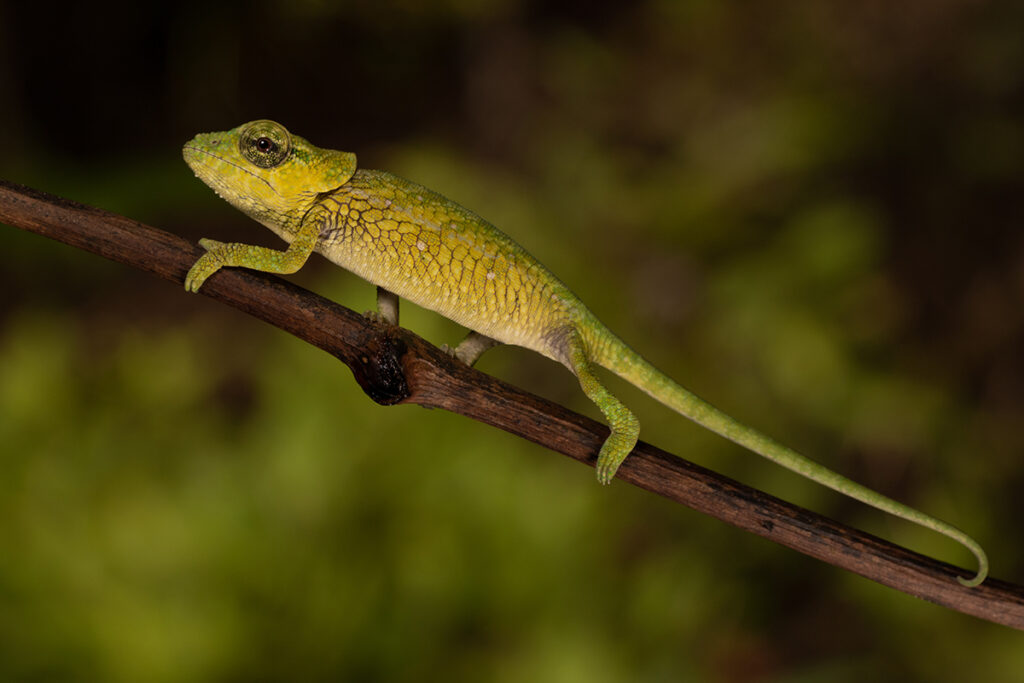
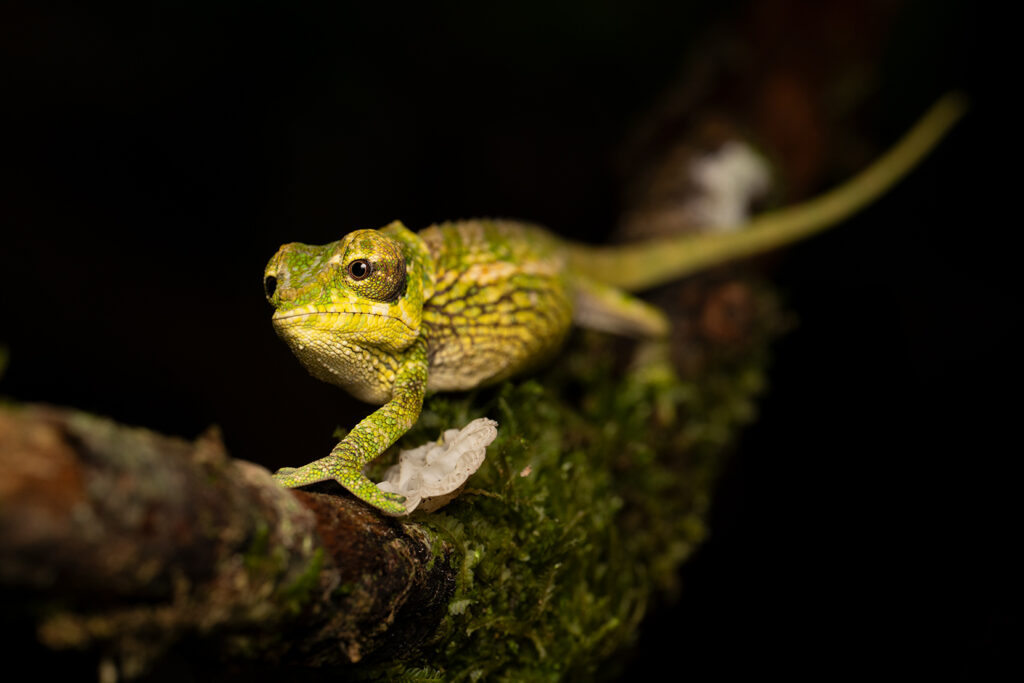
The closest relative, or so-called ‘sister species’, of Calumma krystalae is Calumma malthe. However, the two species can be distinguished from one another quite easily by their appearance. Calumma malthe has an even less pronounced gular crest, with only a few enlarged conical scales; a differently shaped dorsal crest; and a different number of scales on the occipital lobes.
| Jan | Feb | Mär | Apr | Mai | Jun | Jul | Aug | Sep | Okt | Nov | Dez | |
| Durchschnittl. Temperatur | 26 | 26 | 26 | 25 | 25 | 23 | 23 | 22 | 23 | 24 | 25 | 26 |
| Minimale Temperatur | 24 | 24 | 23 | 23 | 22 | 21 | 20 | 19 | 20 | 21 | 22 | 24 |
| Maximale Temperatur | 30 | 29 | 29 | 29 | 28 | 27 | 25 | 25 | 25 | 27 | 28 | 30 |
| Regentage | 28 | 23 | 27 | 22 | 24 | 21 | 20 | 18 | 23 | 22 | 16 | 25 |
Die angegebenen Daten wurden von uns innerhalb mehrerer Jahre mit Thermo- und Hygrometern direkt an den Fundorten der Tiere gemessen und zusammengetragen. "Durchschnittliche Temperatur" bedeutet, dass die Werte eines gesamten Monats zu einem Durchschnittswert berechnet wurden, z.B. wurden alle gemessenen Minimalwerte eines Monats zu einem durchschnittlichen Minimalwert für Februar berechnet. Das bedeutet im Klartext, dass einzelne Spitzenwerte eines Tages deutlich höher oder niedriger als die durchschnittlichen Minimal- und Maximalwerte liegen können. Es ist also möglich, dass zwar das durchschnittliche Maximum bei 29 Grad liegt, es aber an einigen Tagen des Monats 33°C oder gar 35°C warm war.
Marojejy besteht vorwiegend aus einem Regenwald, der sich über das gleichnamige heilige Gebirge auf Höhen von 200 bis maximal 2100 m über Meeresniveau erstreckt. In den höchsten Gebieten ist das Klima kühl und die Vegetation karg, die meisten Chamäleons leben jedoch im wärmeren Regenwald darunter. Marojejy verfügt über verschiedene Höhenstufen, auf der jeweils eigene Arten in einem eigenen Klima leben. In der niedrigsten Höhenstufe ist es sehr warm und feucht, in den mittleren und höhen Lagen wird es etwas kühler, aber nicht weniger feucht.
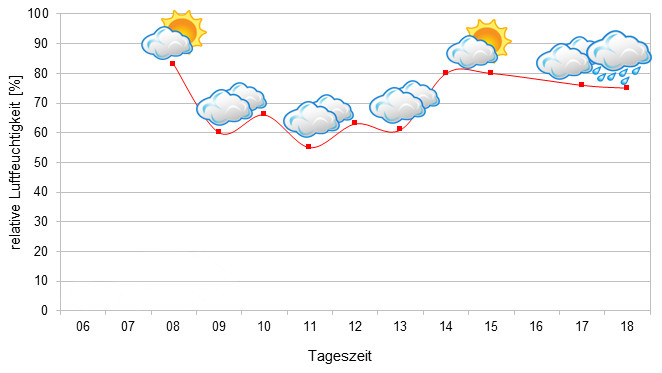
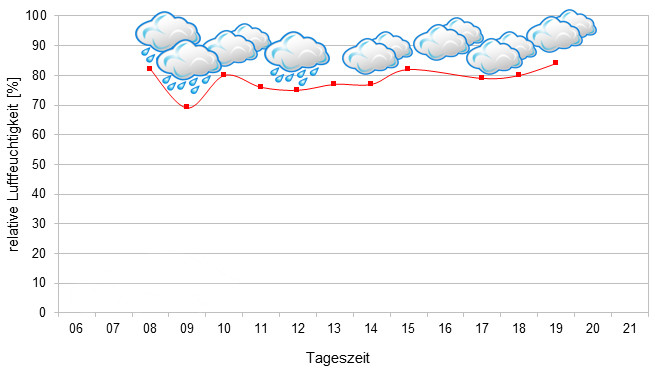
In Marojejy gibt es nur wenig Unterschied zwischen Regen- und Trockenzeit. Die Luftfeuchtigkeit ist stetig sehr, sehr hoch. In der Regenzeit sind die Niederschläge ergiebiger, halten oft Tage an und gehen ab und zu mit schweren Stürmen einher. In der Trockenzeit liegen die Temperaturen etwas niedriger, richtig kalt wird es jedoch nie und es regnet immernoch fast täglich. Und trocken wird es in der Trockenzeit in Marojejy auch nicht. 2022 haben wir die relative Luftfeuchtigkeit an verschiedenen Tagen in der Regenzeit gemessen, die Daten finden sich im Folgenden.
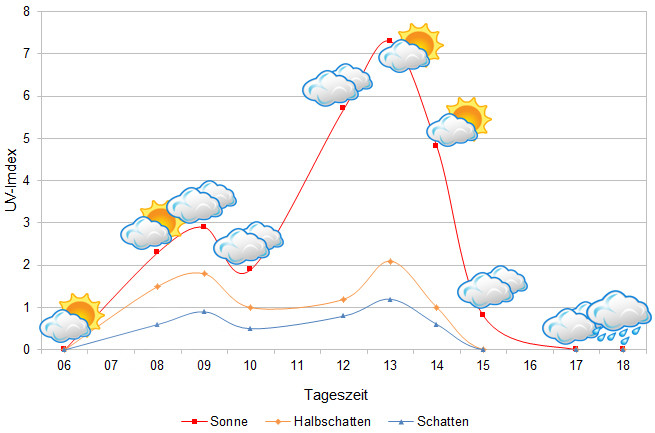
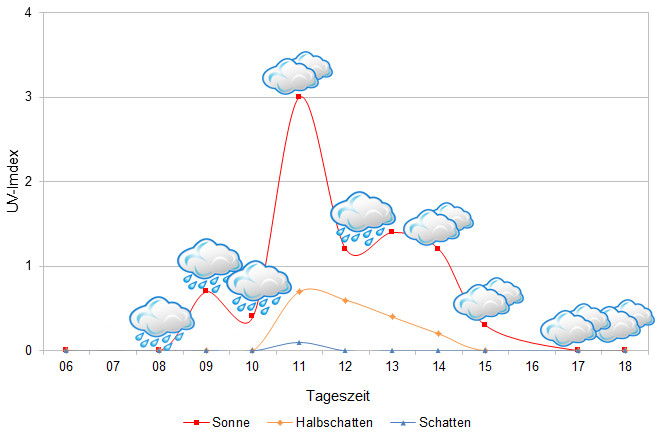
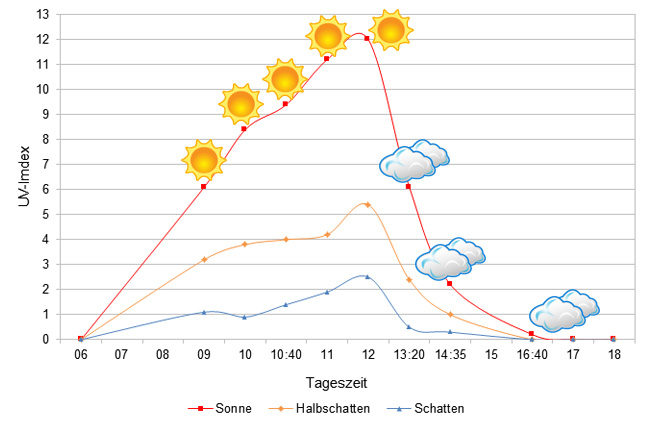
Die UVB-Daten wurden mit einem Solarmeter 6.5 in der Regenzeit, Ende März und Mitte April, zur höchsten Aktivitätszeit der Chamäleons gemessen. Gemessen wurden jeweils maximal für das Chamäleon zu erreichende Werte im Habitat.
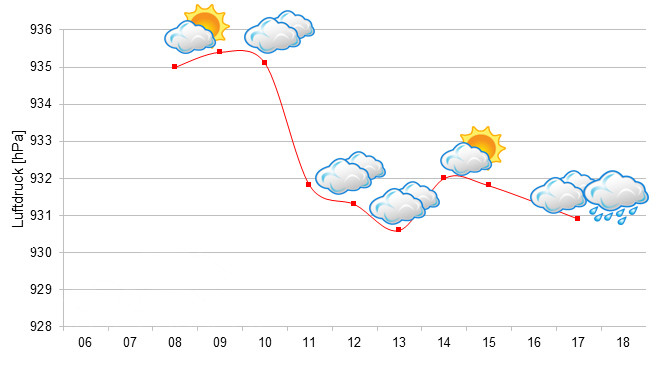
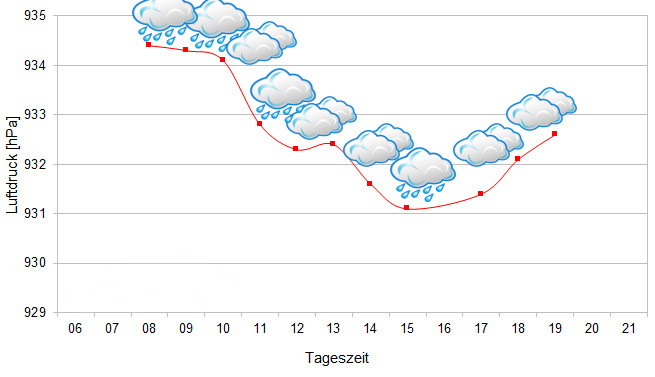
Seit 2022 messen wir zusätzlich zu anderen Klimadaten auch den Luftdruck an den von uns besuchten Orten auf Madagaskar. Die folgenden Daten stammen von verschiedenen Tagen während der Regenzeit. Auf der X-Achse befindet sich die Tages- oder Nachtzeit. Auf Madagaskar beginnt der Tag gegen 6 Uhr, die Nacht bricht bereits um 18 Uhr an. Die Y-Achse zeigt den atmosphärischen Luftdruck in hPa an.
Habitat:
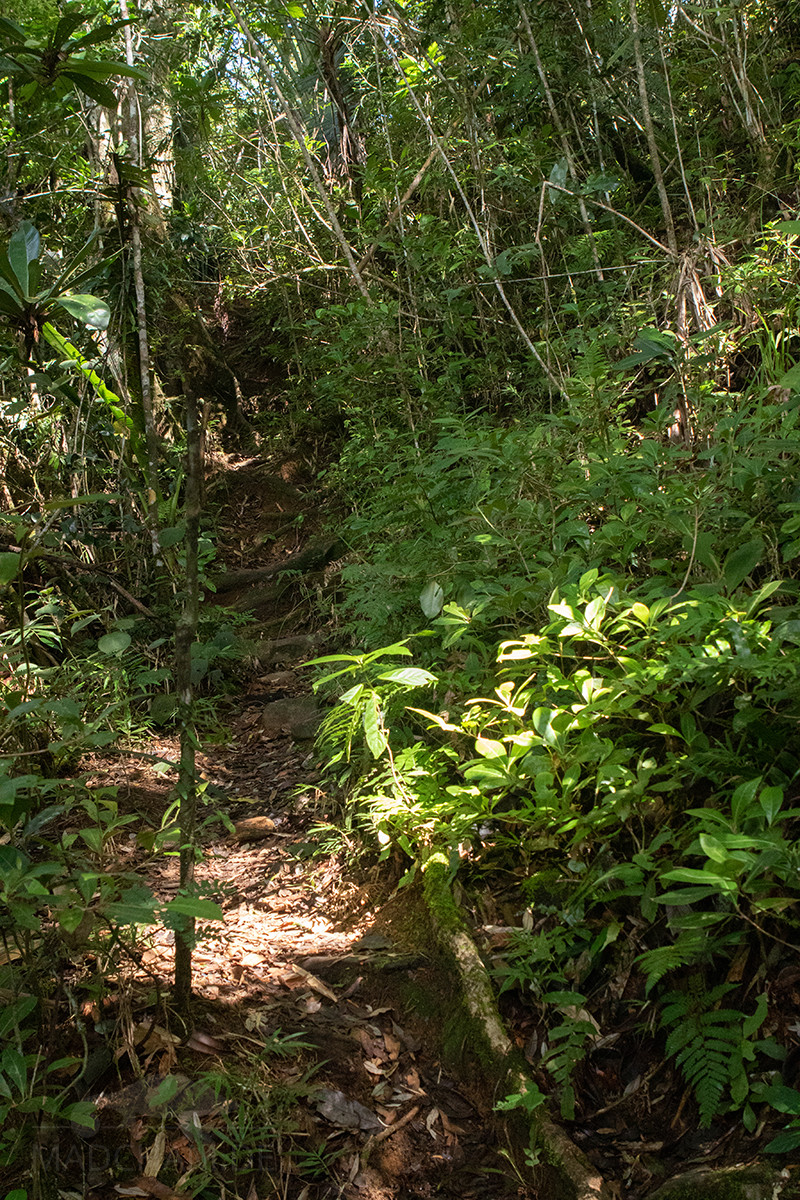
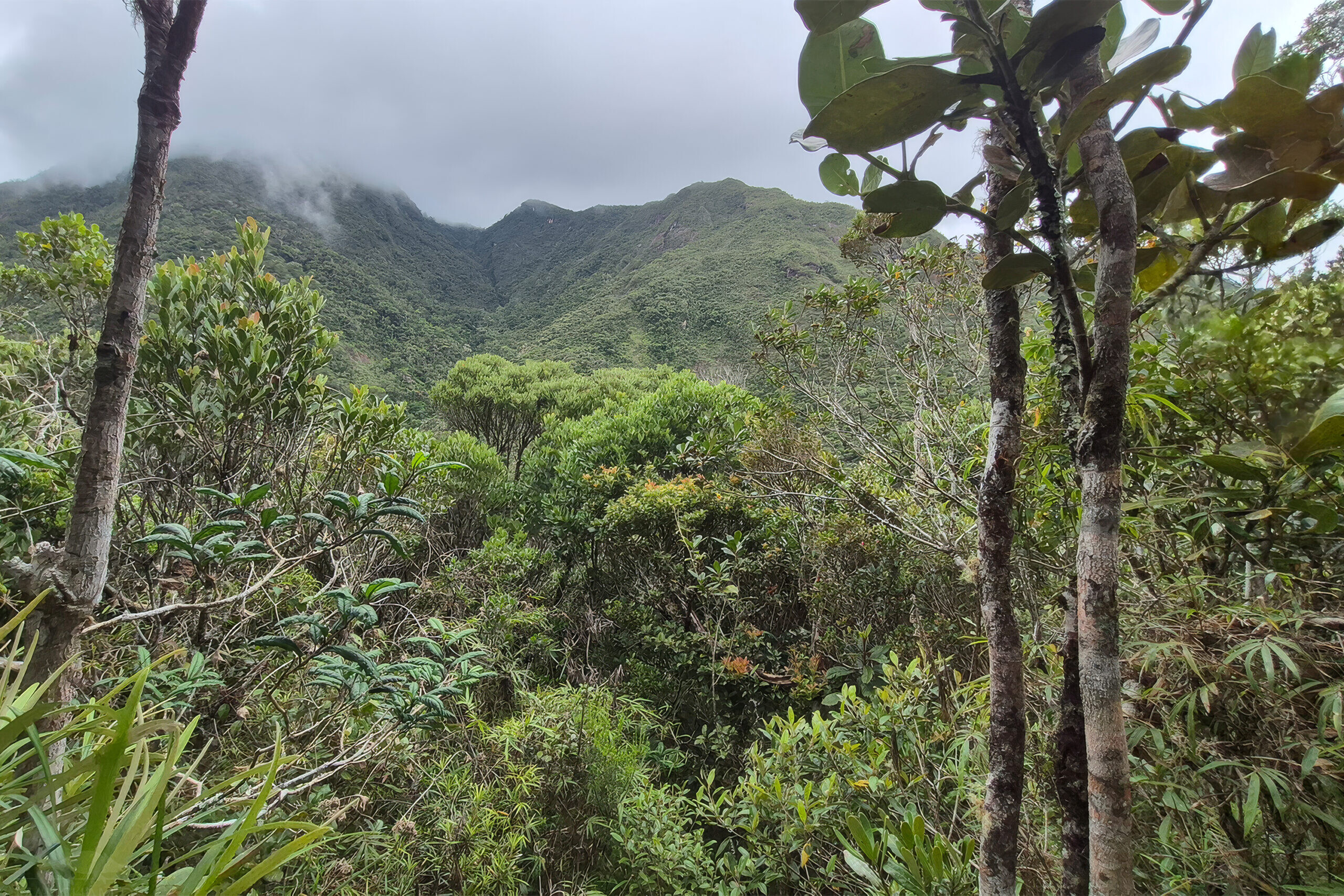
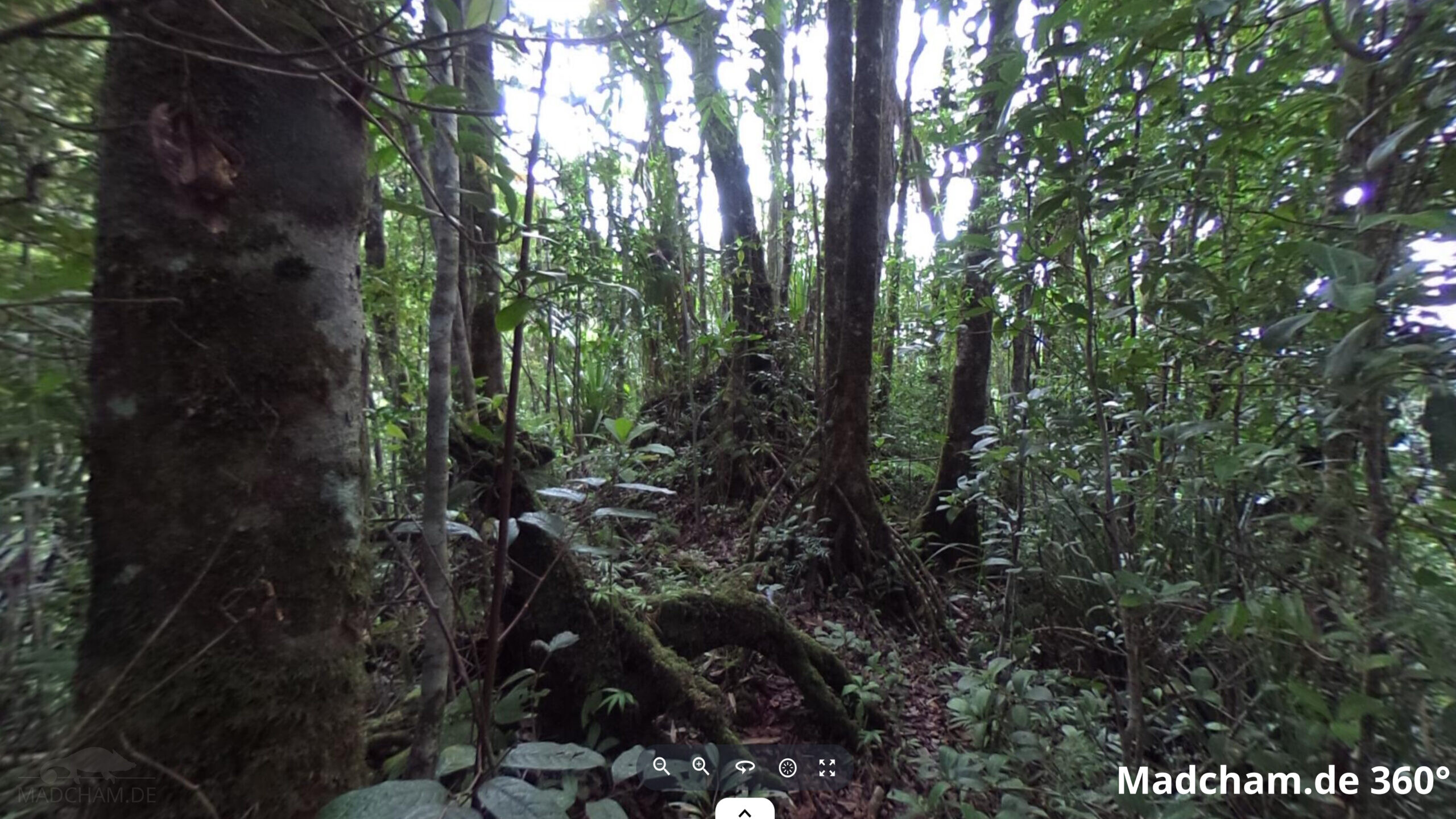
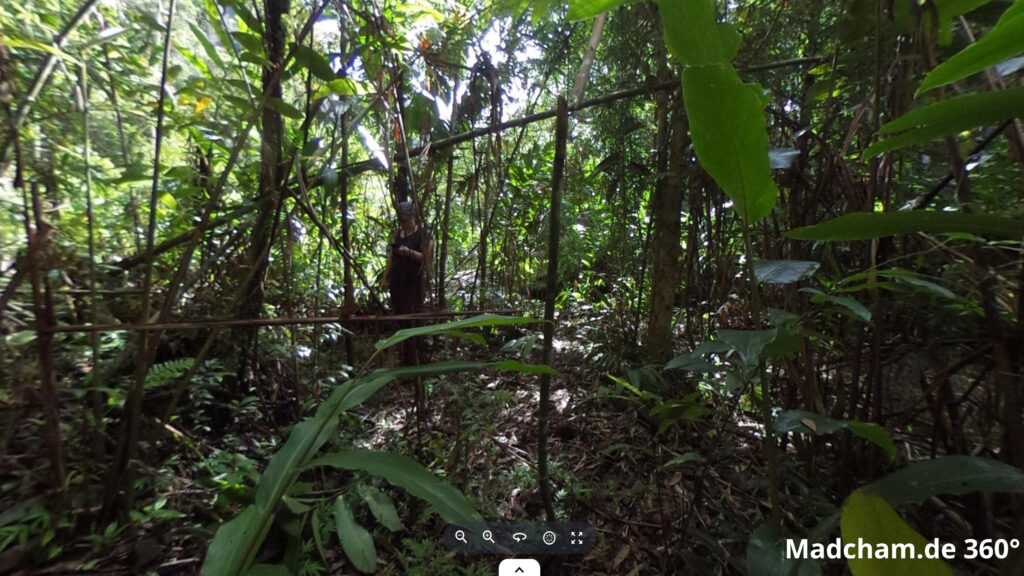
The following photographs show scenes from the habitat of Calumma krystale during the rainy season in Marojejy. The Marojejy rainforest lies in a mountainous region consisting almost entirely of gorges and steep slopes. At the altitude where Calumma krystale is found, the forest is criss-crossed by many small streams. Many ancient giant trees are covered in endless moss and ferns. The undergrowth is very dense and many old trees tower high into the sky. The ground is earthy and dotted with countless rocks.
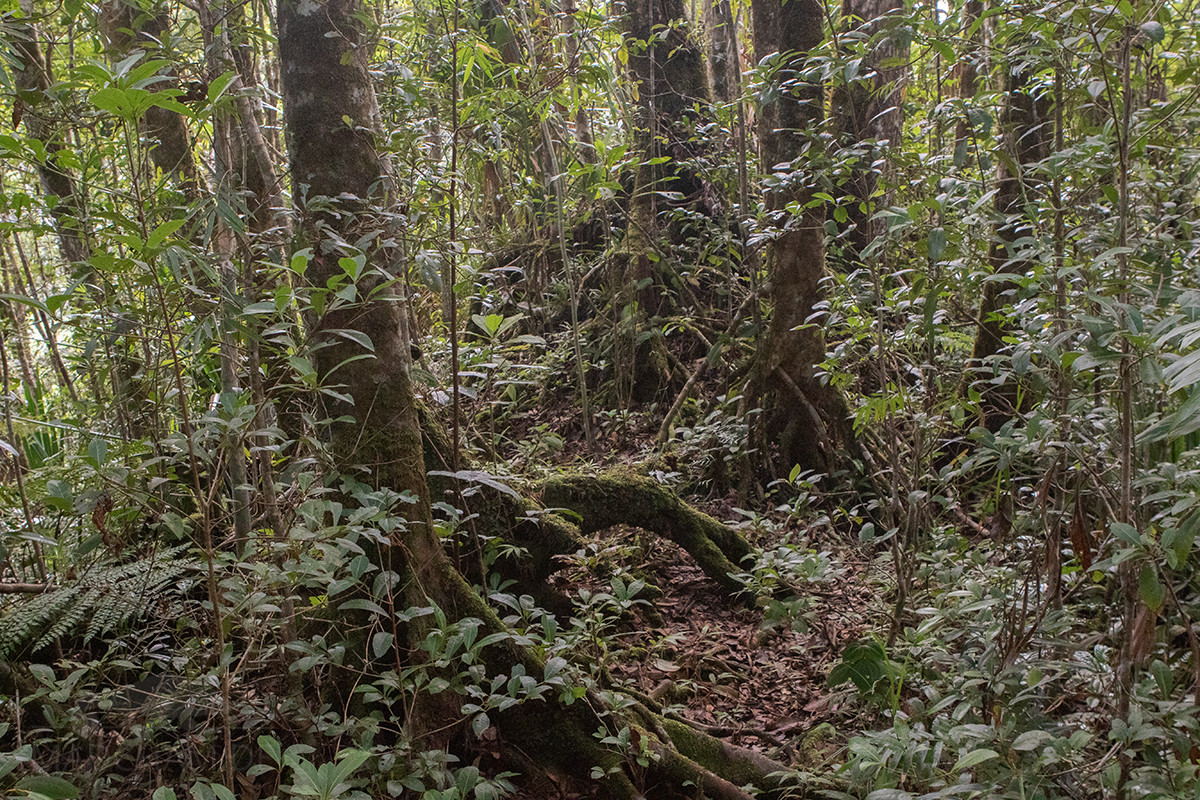
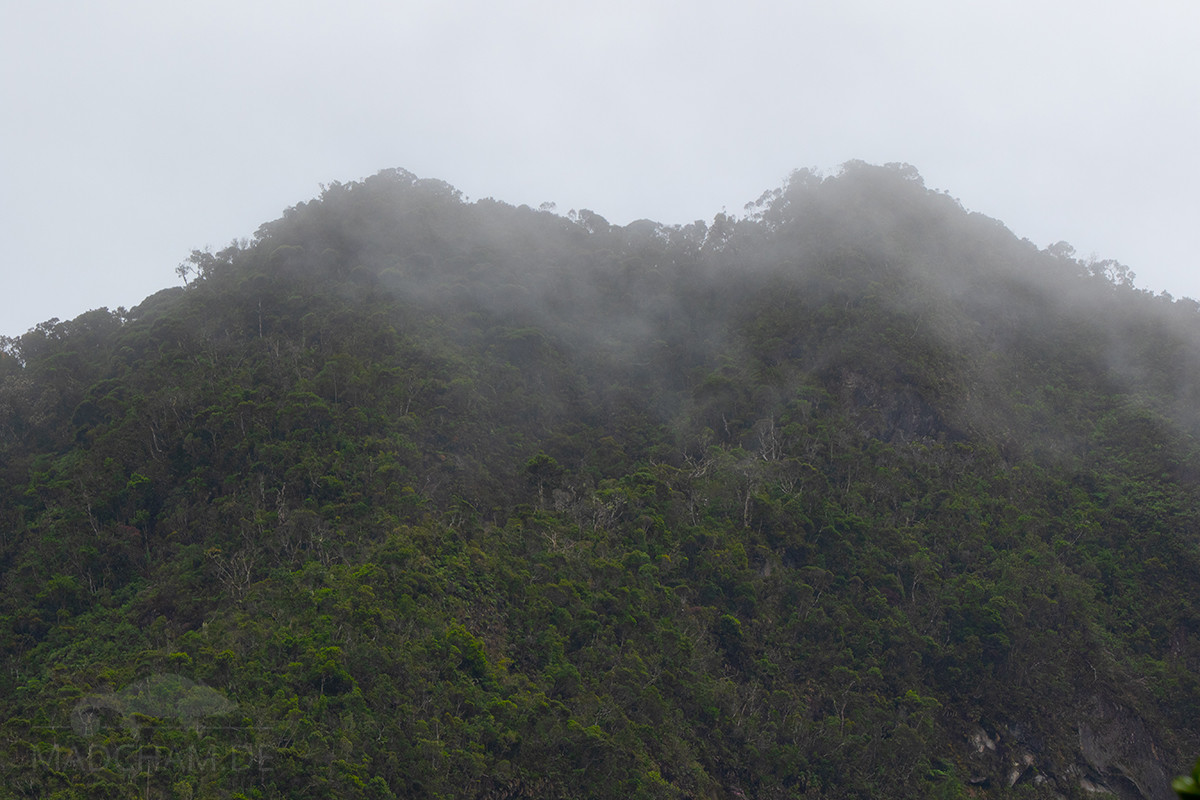
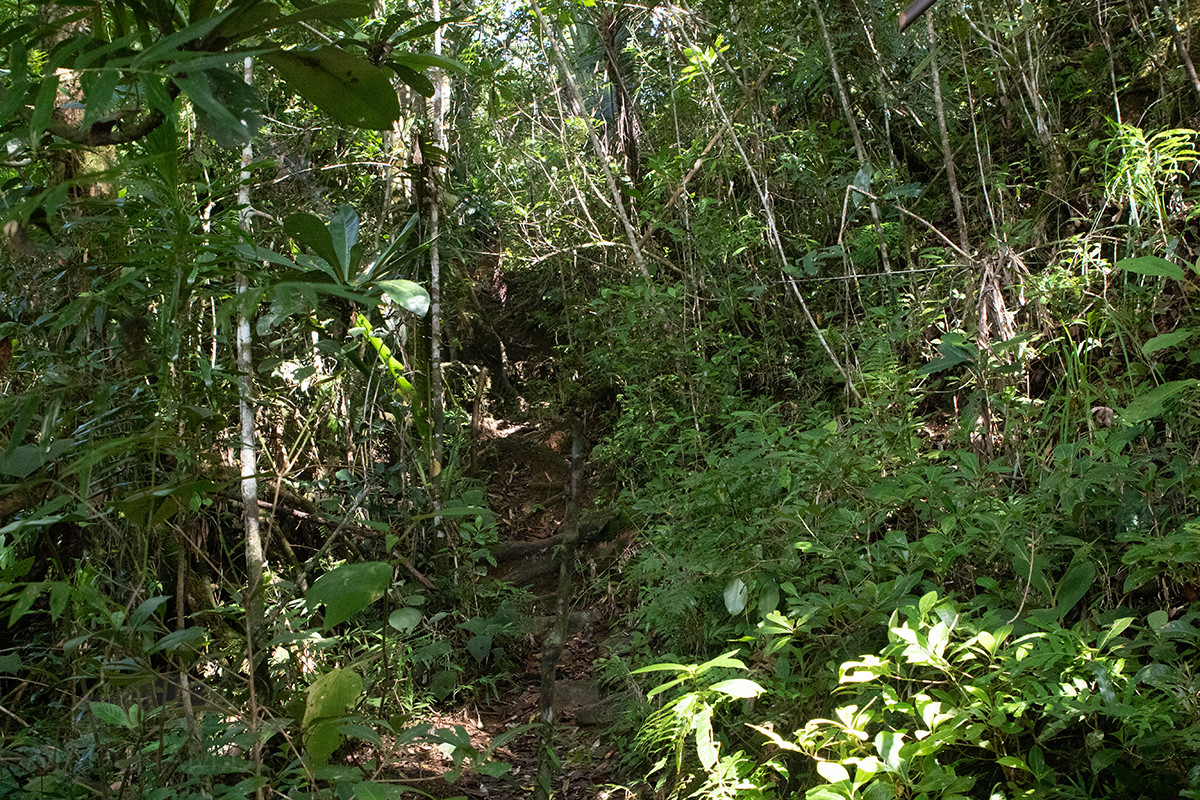
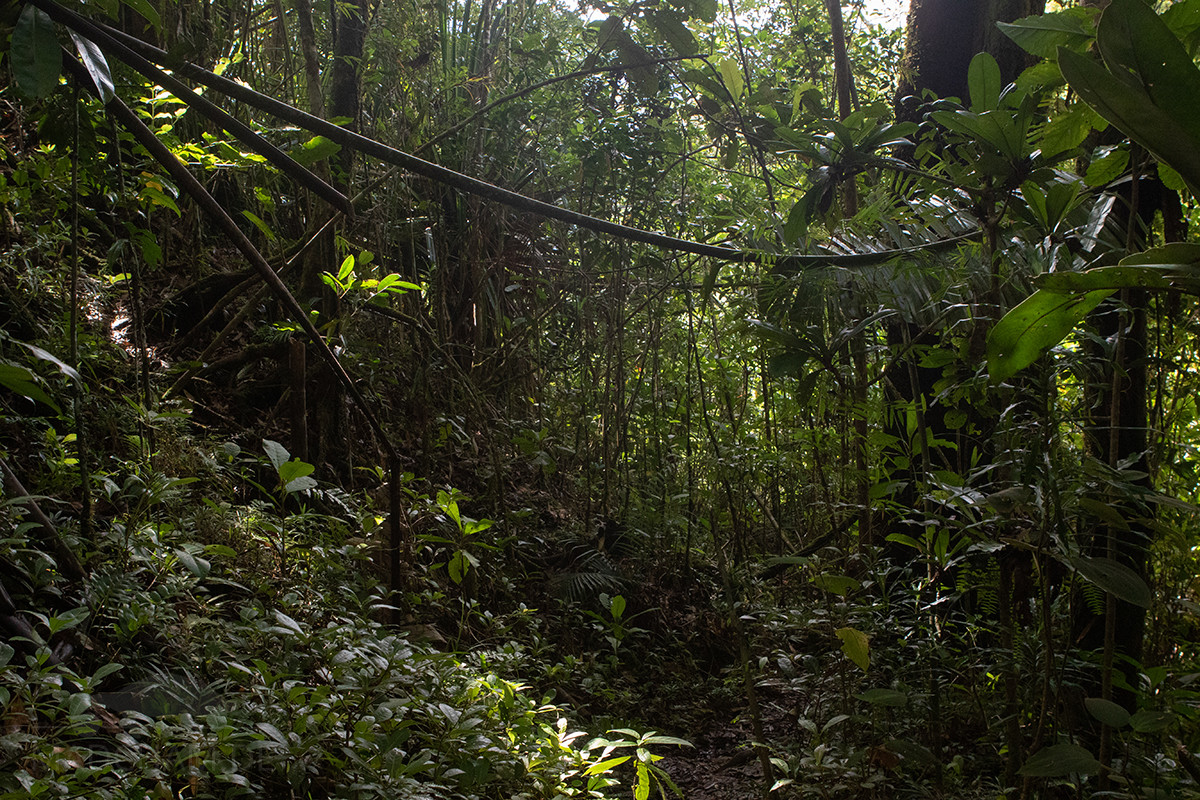
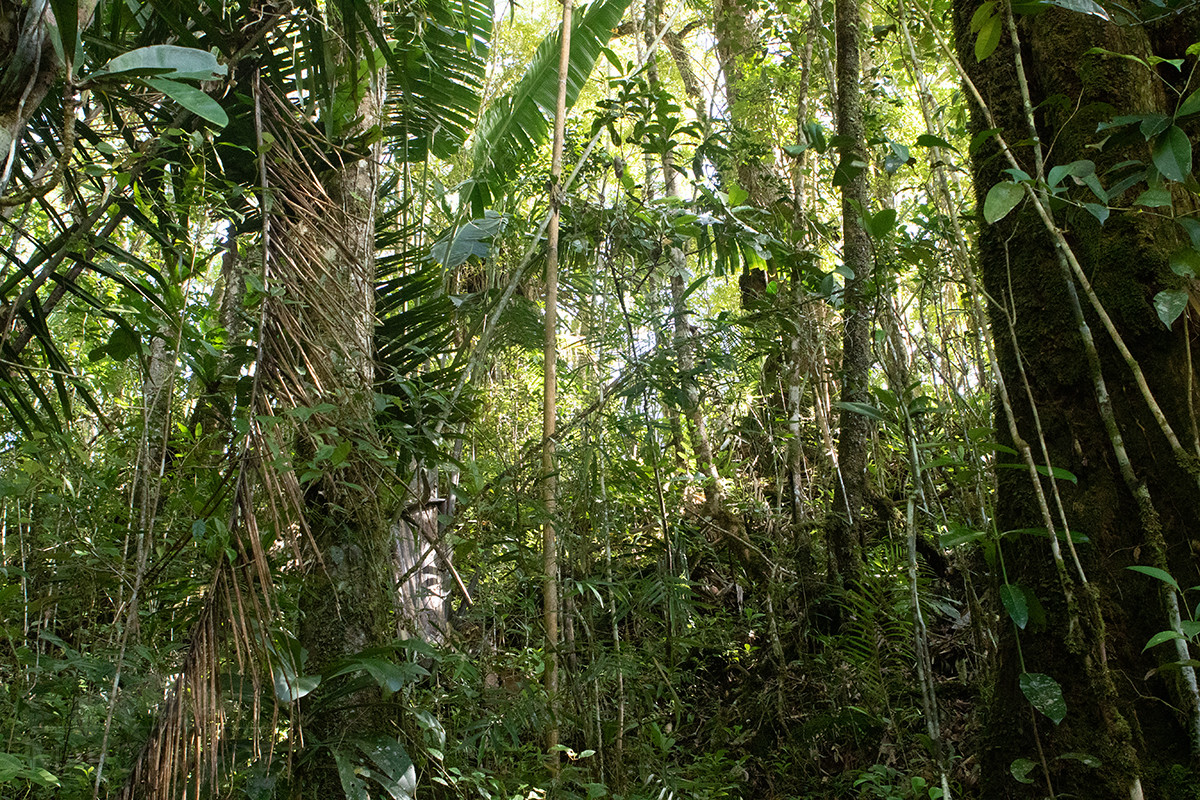

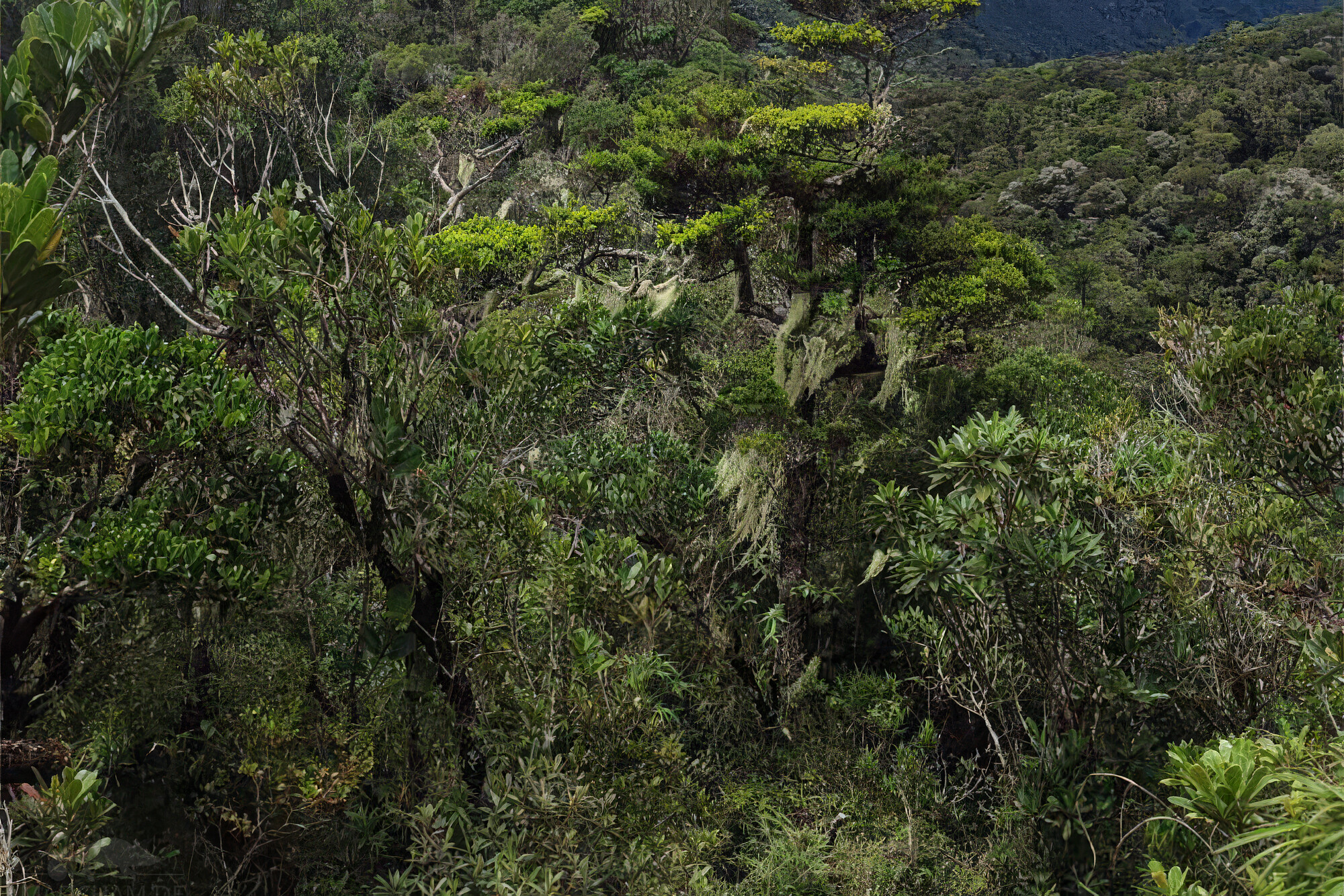
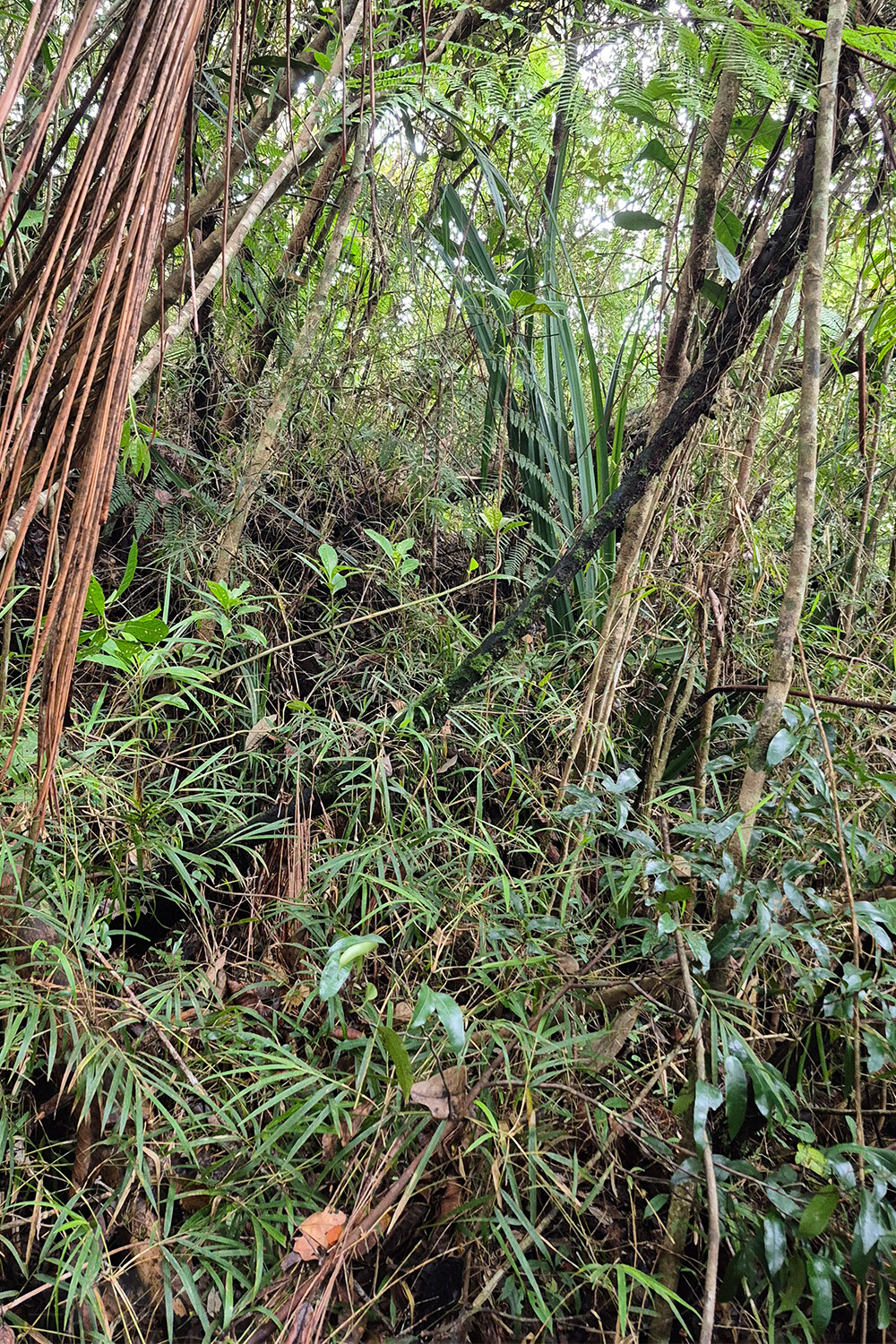
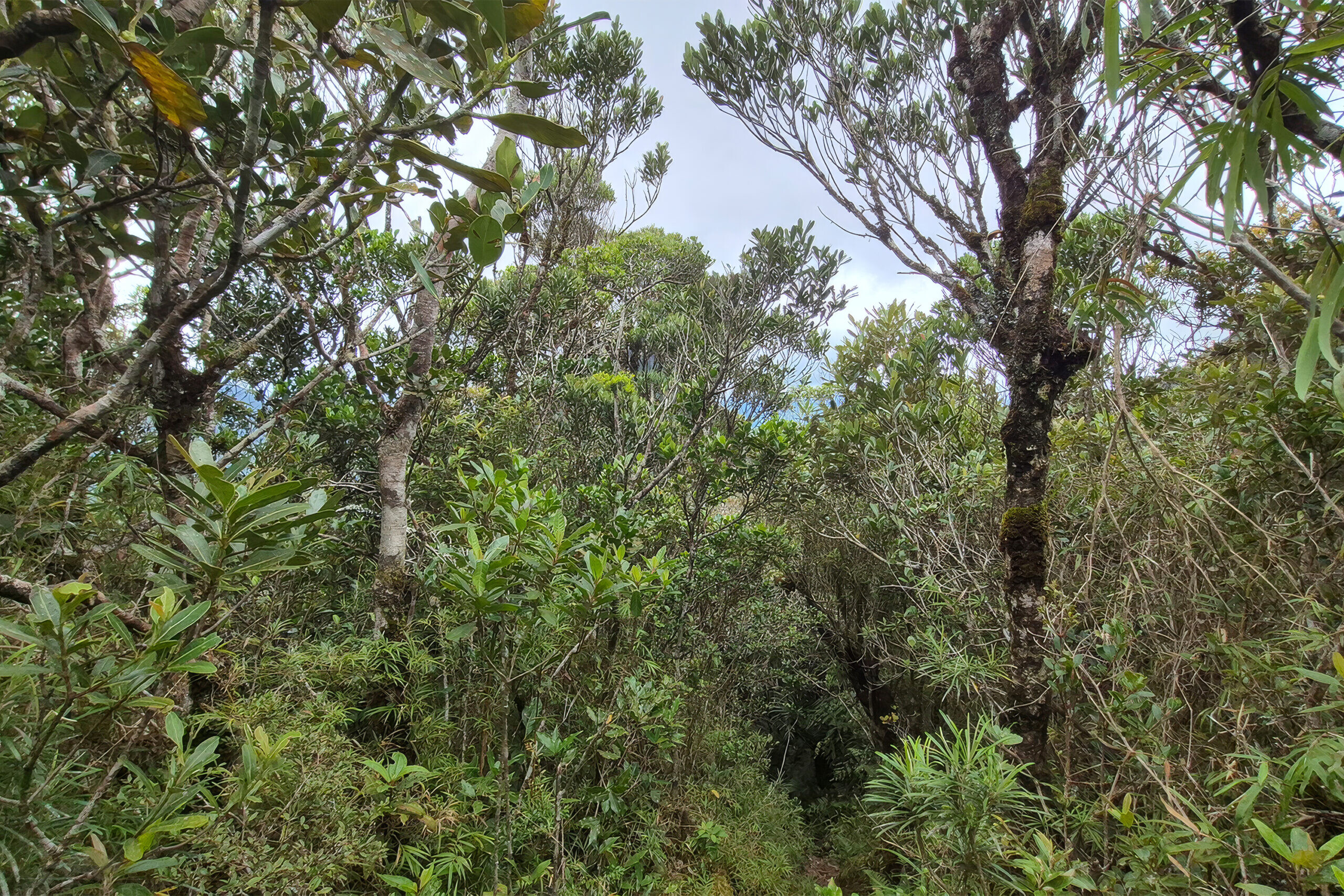

Below you will find 360° images of Marojejy that we took during the rainy season. If you click on each image, it will open in a separate window in an enlarged view. You can use your mouse to rotate the view in all directions. You can also view the images in full-screen mode. Enjoy!


Das könnte dir auch gefallen


Follow us on Instagram

Most popular articles


Your travel specialist for Madagascar