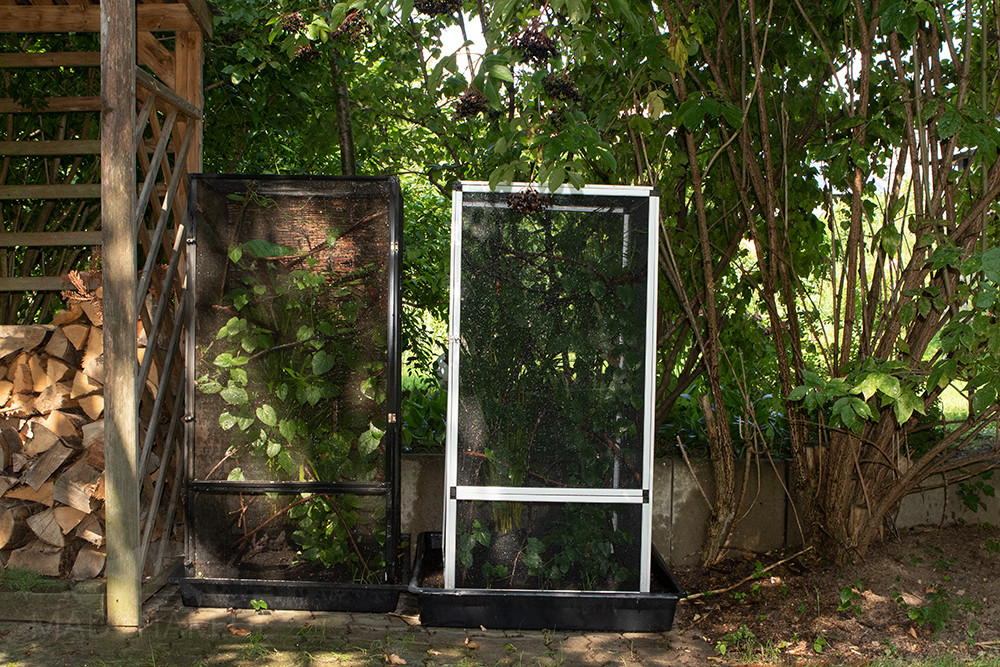
Outdoor enclosures
Many chameleon species can be kept outside in Europe at least temporarily. Chameleons, like many other reptiles, benefit greatly from the real solar radiation, various weather influences and the natural temperature development in outdoor...
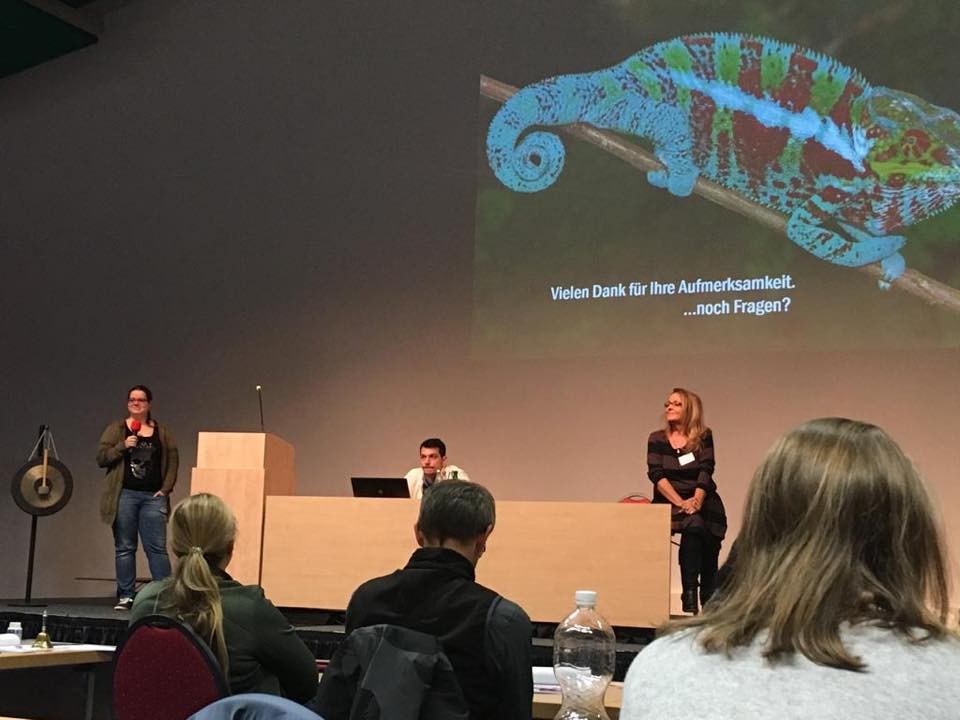
Lectures
We regularly give lectures about Madagascan chameleons at conferences, in DGHT city groups, or at other associations interested in terraristics. If you want to experience Madagascar’s chameleons “live”, but can’t visit the island yourself,...
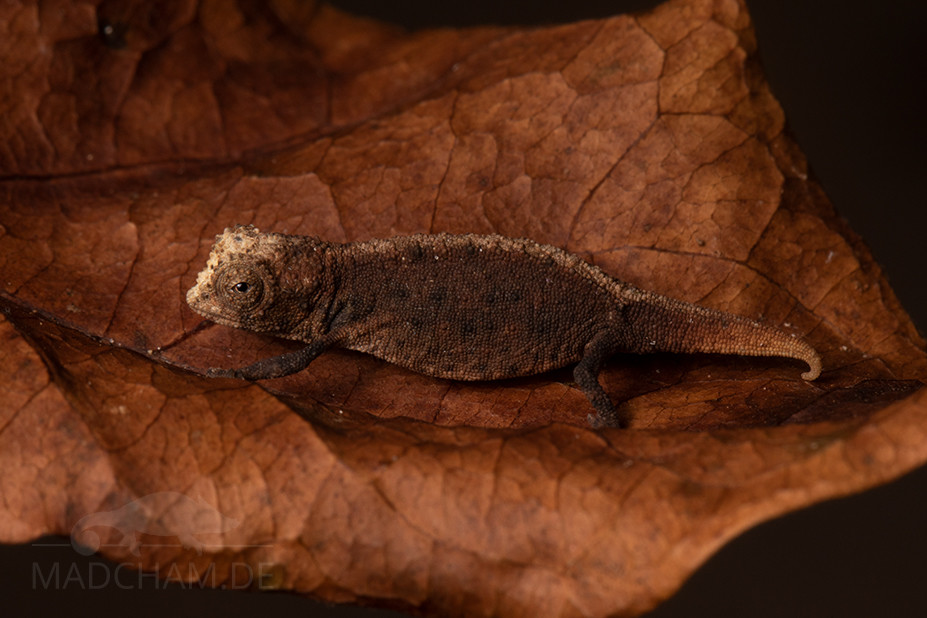
Brookesia micra
First description: Glaw, Köhler, Townsend, Vences 2012 Origin of the species name: Frank Glaw of the State Zoological Collection Munich (Germany), Jörn Köhler of the Hessian State Museum Darmstadt (Germany), Ted Townsend of the...
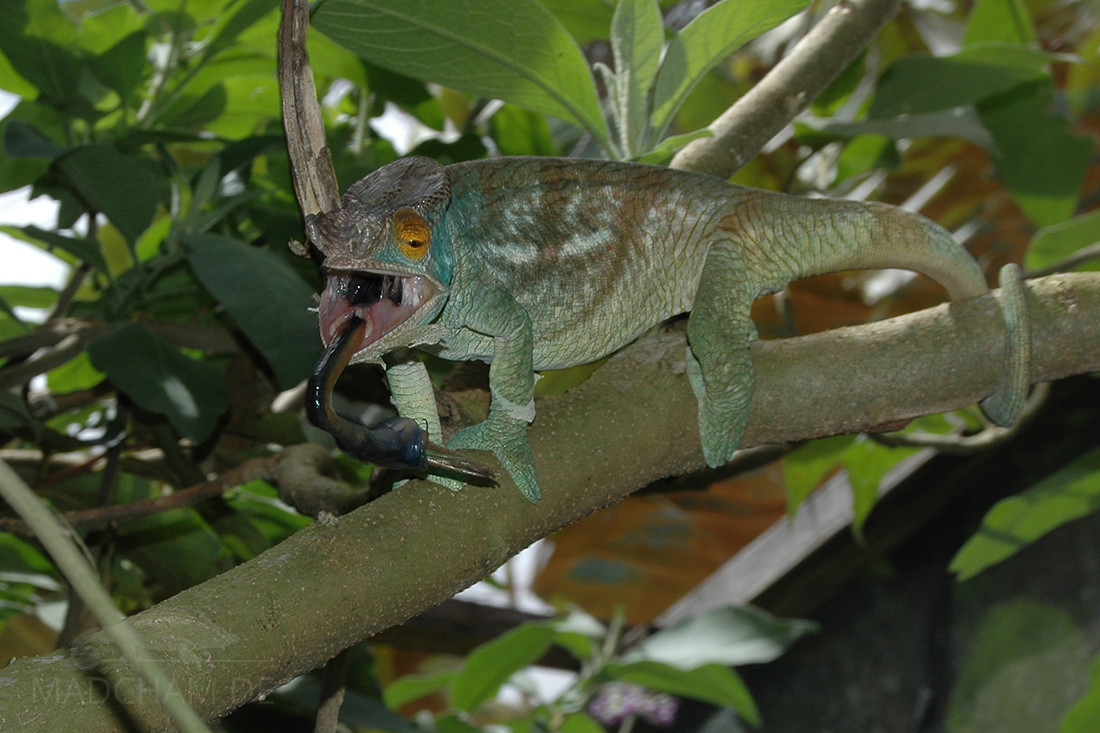
The chameleon’s tongue shot
The shot of the tongue is one of the characteristic features of all chameleons. This article explores the anatomy of the tongue and explains how the tongue shot works. We would like to point...
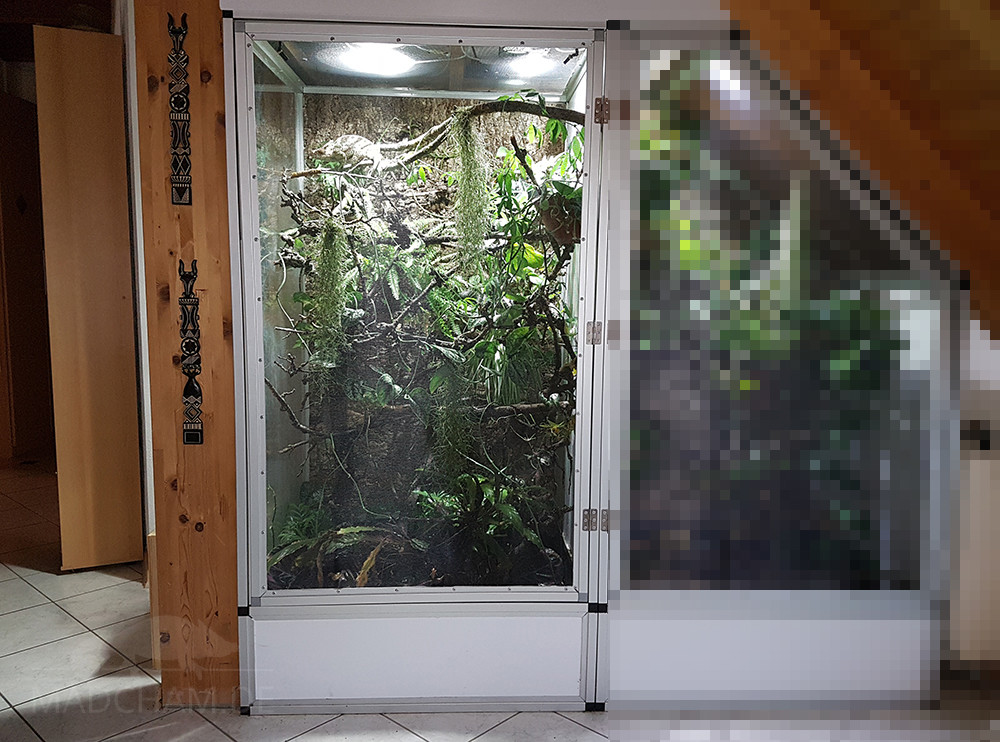
Construction manual for a Parson’s cage
This construction manual is from one of our young Calumma parsonii parsonii‘s cages that we built by ourselves (as almost all of our chameleon cages). We assume no liability for mistakes in lengths or...
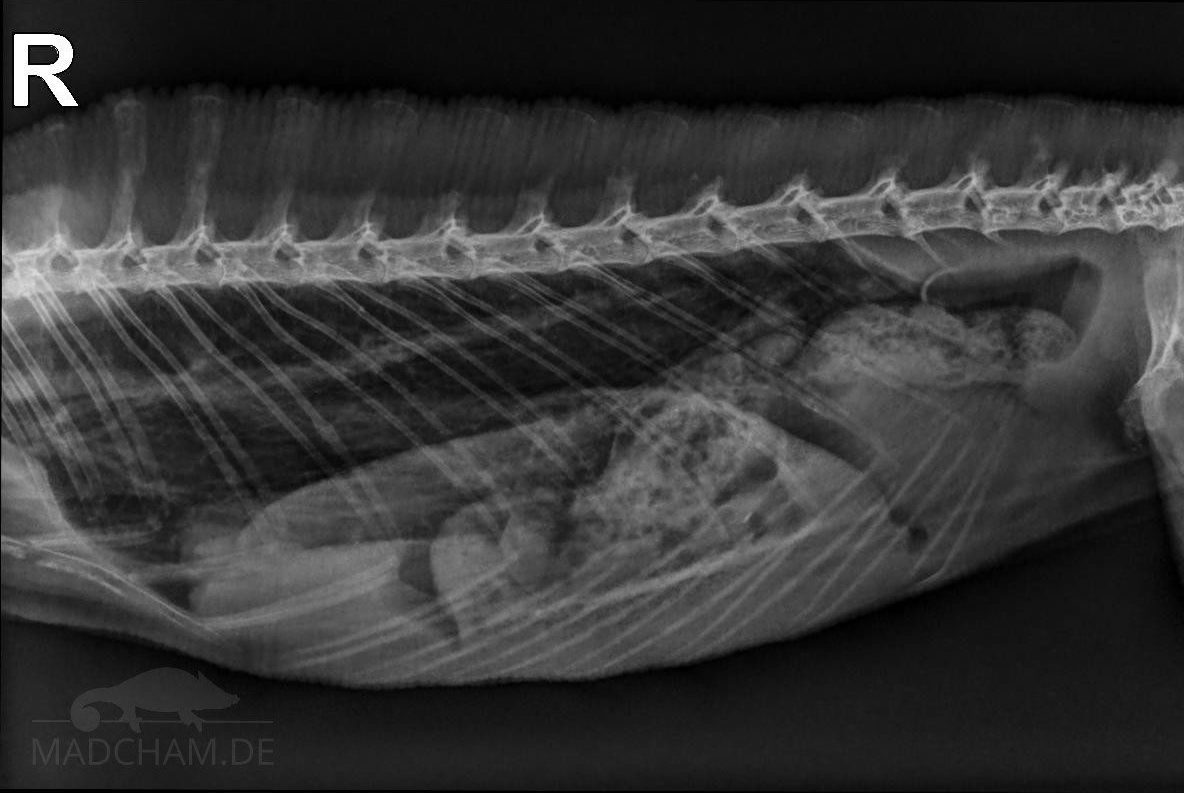
Visits to the vet
Generally, we need to say first: A sick chameleon ALWAYS needs a reptile vet. The fact that many chameleons die despite treatment is in most cases not due to wrong treatment or an “untreatable”...
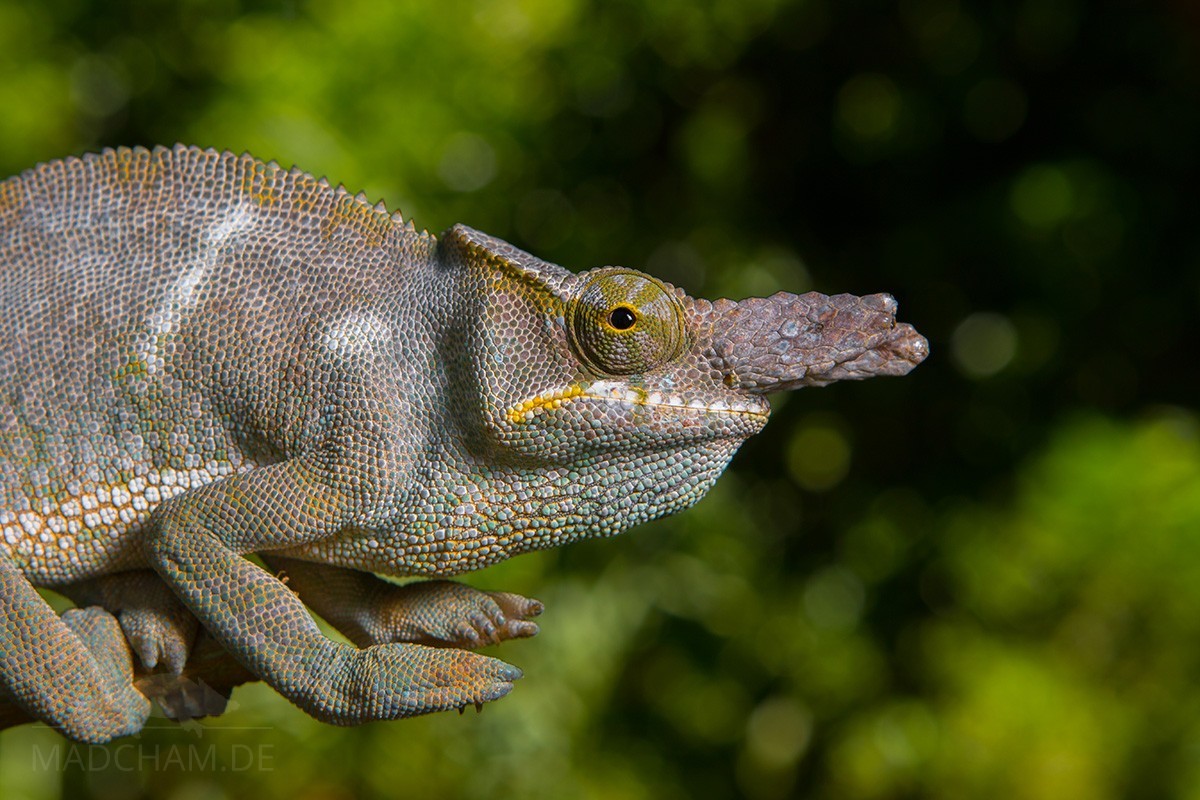
Furcifer bifidus
First description: (Brongniart, 1800) Origin of the species name: The French zoologist and geologist Alexandre Brongniart taught about mineralogy at the Natural History Museum in Paris (France), but was also interested in reptiles and...
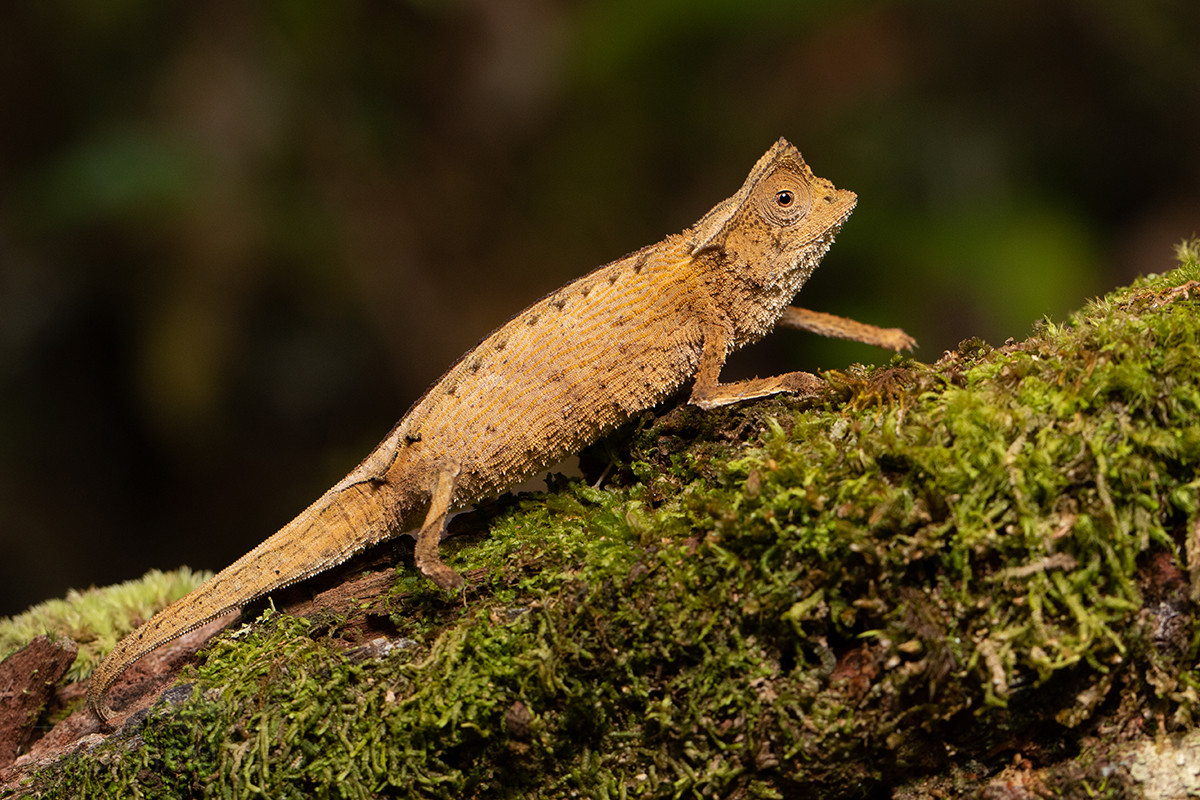
Brookesia griveaudi
First description: Brygoo, Blanc & Domergue, 1974 Origin of the species name: Édouard-Raoul Brygoo (later working at the Natural History Museum in Paris, France), Charles Pierre Blanc and Charles Antoine Domergue from the then...

Defense and escape behavior of tree dwelling chameleons
Among the tree-dwelling chameleons on Madagascar are the genera Furcifer and Calumma. Among them are both the largest and the most colorful species. They have a whole range of threatening behavior which they can...
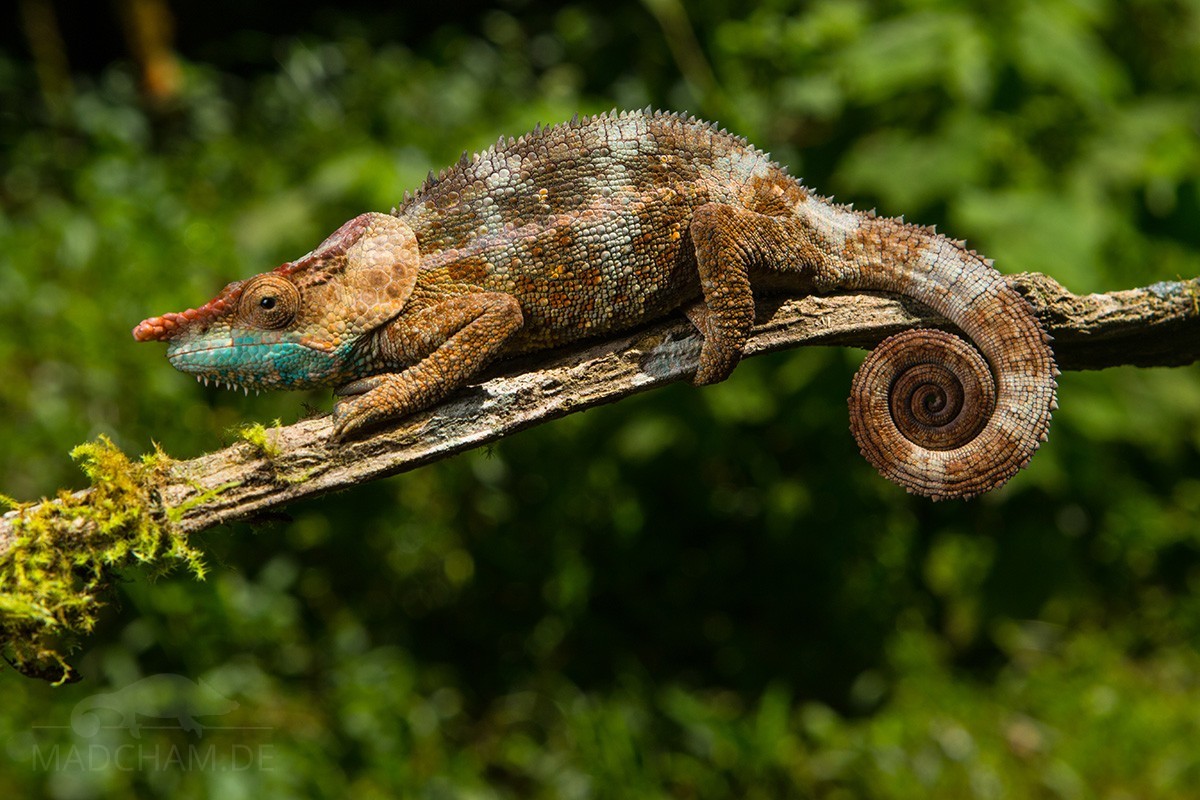
Calumma crypticum
First description: Raxworthy & Nussbaum, 2006 Origin of the species name: Christopher J. Raxworthy from the American Museum of Natural History, New York (USA) and Ronald A. Nussbaum from the University of Michigan, Ann...


Follow us on Instagram

Most popular articles


Your travel specialist for Madagascar