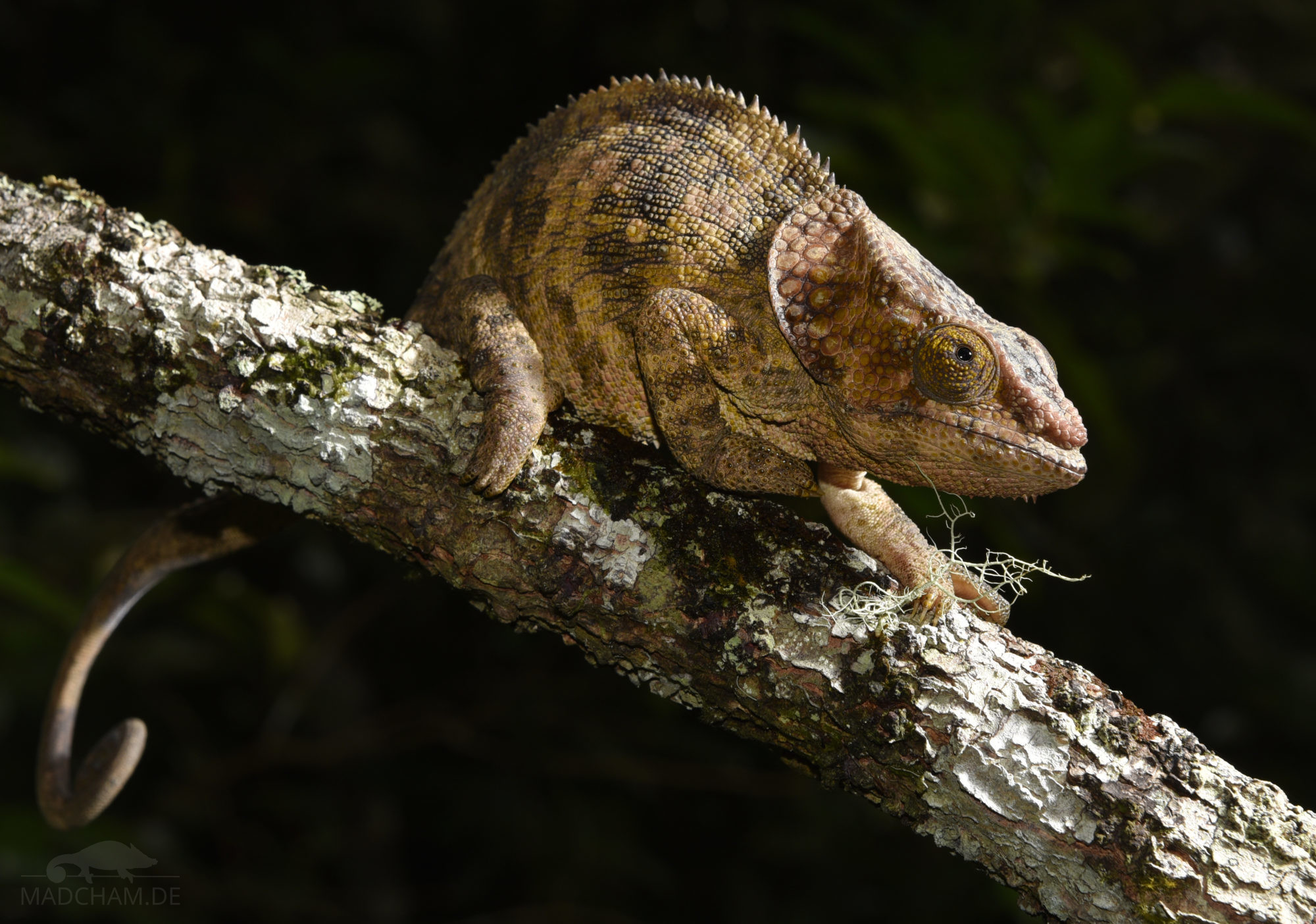
Calumma brevicorne
First description: (Günther, 1879) Origin of the species name: The German zoologist Albert Carl Ludwig Gotthilf Günther, then director of the Zoological Department of the Natural History Museum of London (Great Britain), borrowed the...
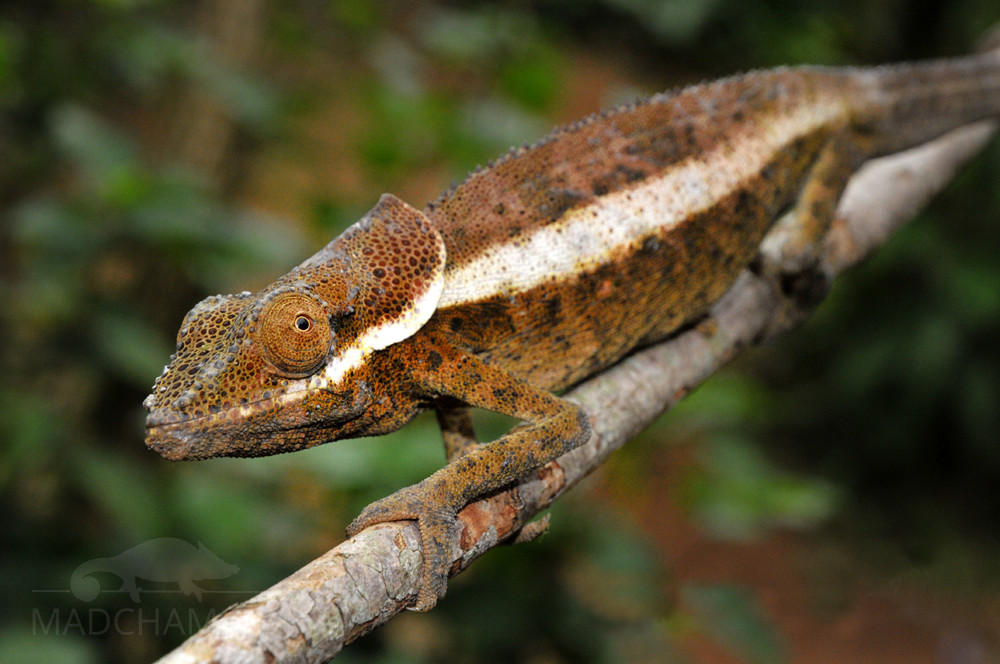
Calumma cucullatum
First description: (Gray, 1831) Origin of the species name: The English zoologist John Edward Gray was very brief in his description of this chameleon species: it consists of just keywords instead of a coherent...
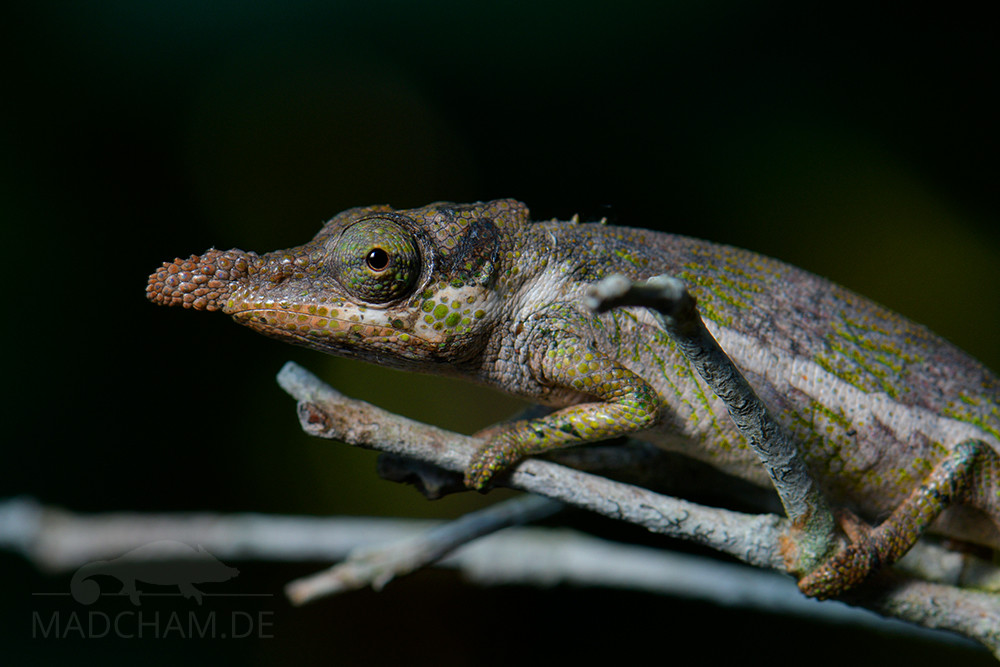
Calumma emelinae
First description: Prötzel, Scherz, Ratsoavina, Vences & Glaw, 2020 Origin of the species name: David Prötzel, Mark D. Scherz and Frank Glaw from the State Zoological Collection Munich (Germany), Fanomezana M. Ratsoavina from the...
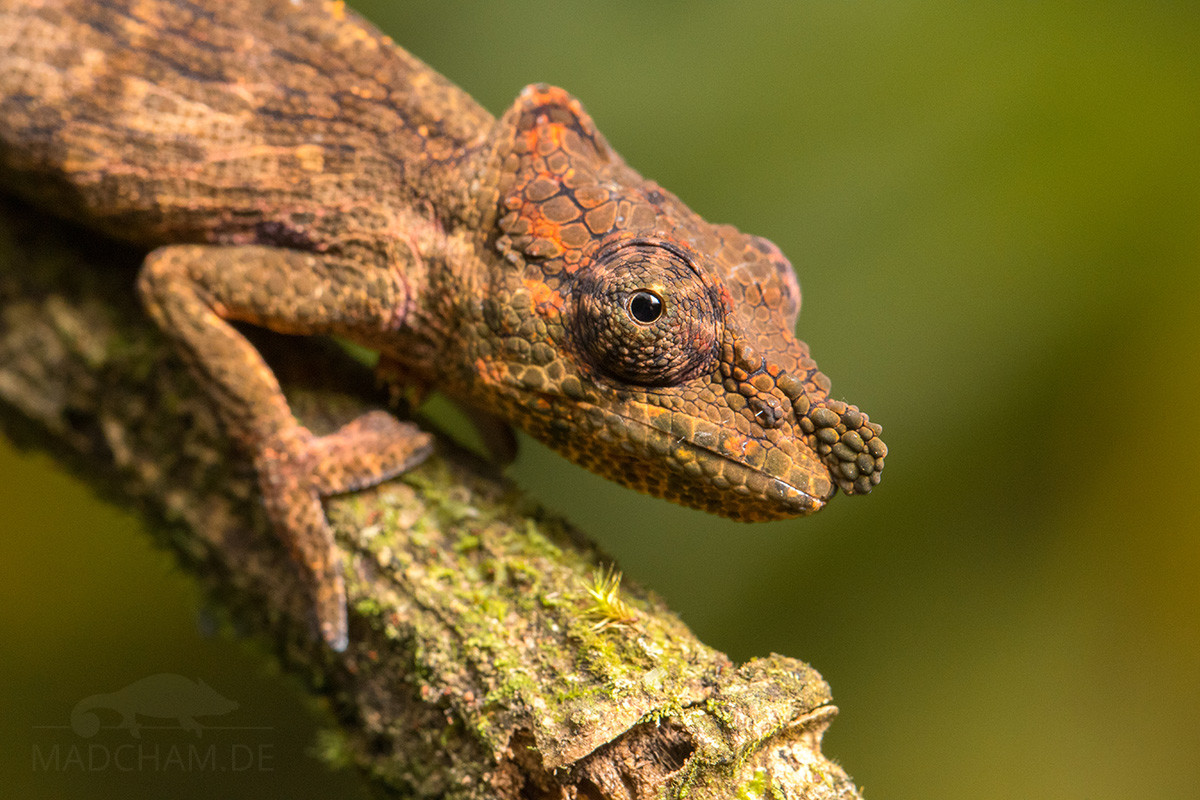
Calumma fallax
First description: (Mocquard, 1900) Origin of the species name: The zoologist François Mocquard of the Natural History Museum in Paris (France) borrowed the species name from the Latin fallax, which means “deceptive” or “misleading”....
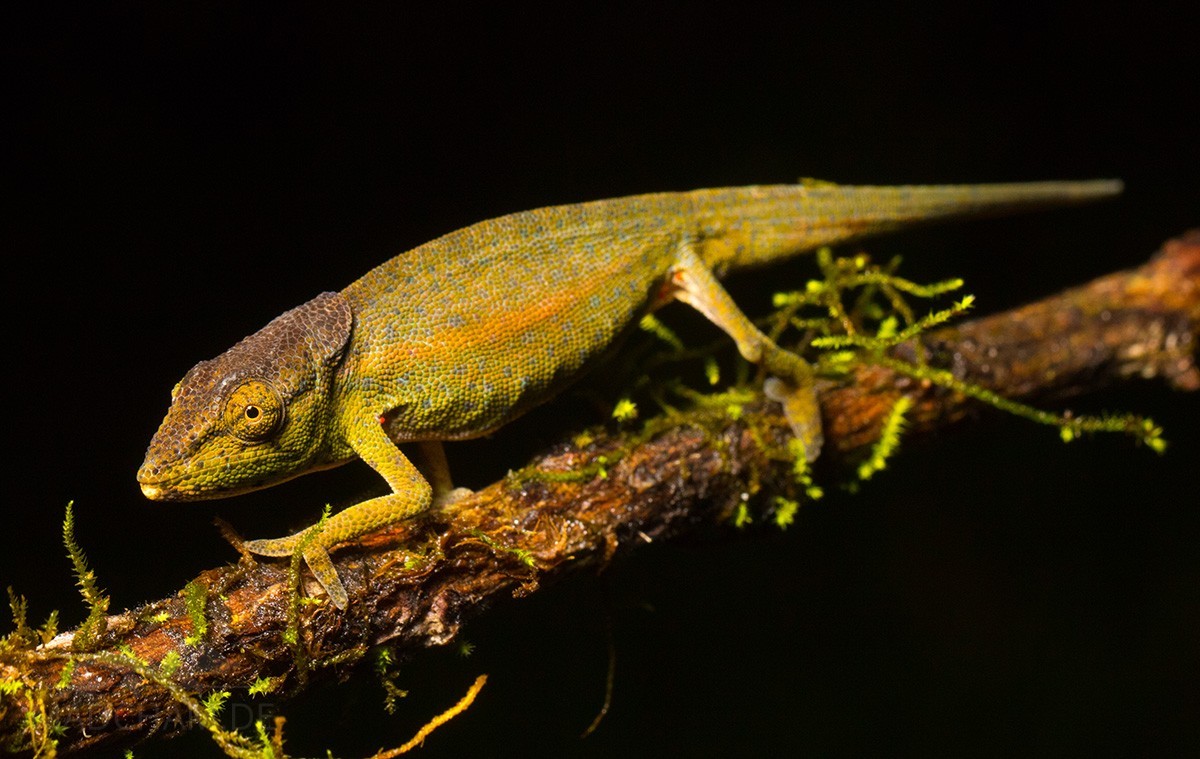
Calumma glawi
First description: Böhme, 1997 Origin of the species name: The German herpetologist Wolfgang Böhme, former head of the section for herpetology of the Museum König in Bonn (Germany), named this chameleon species in honor...
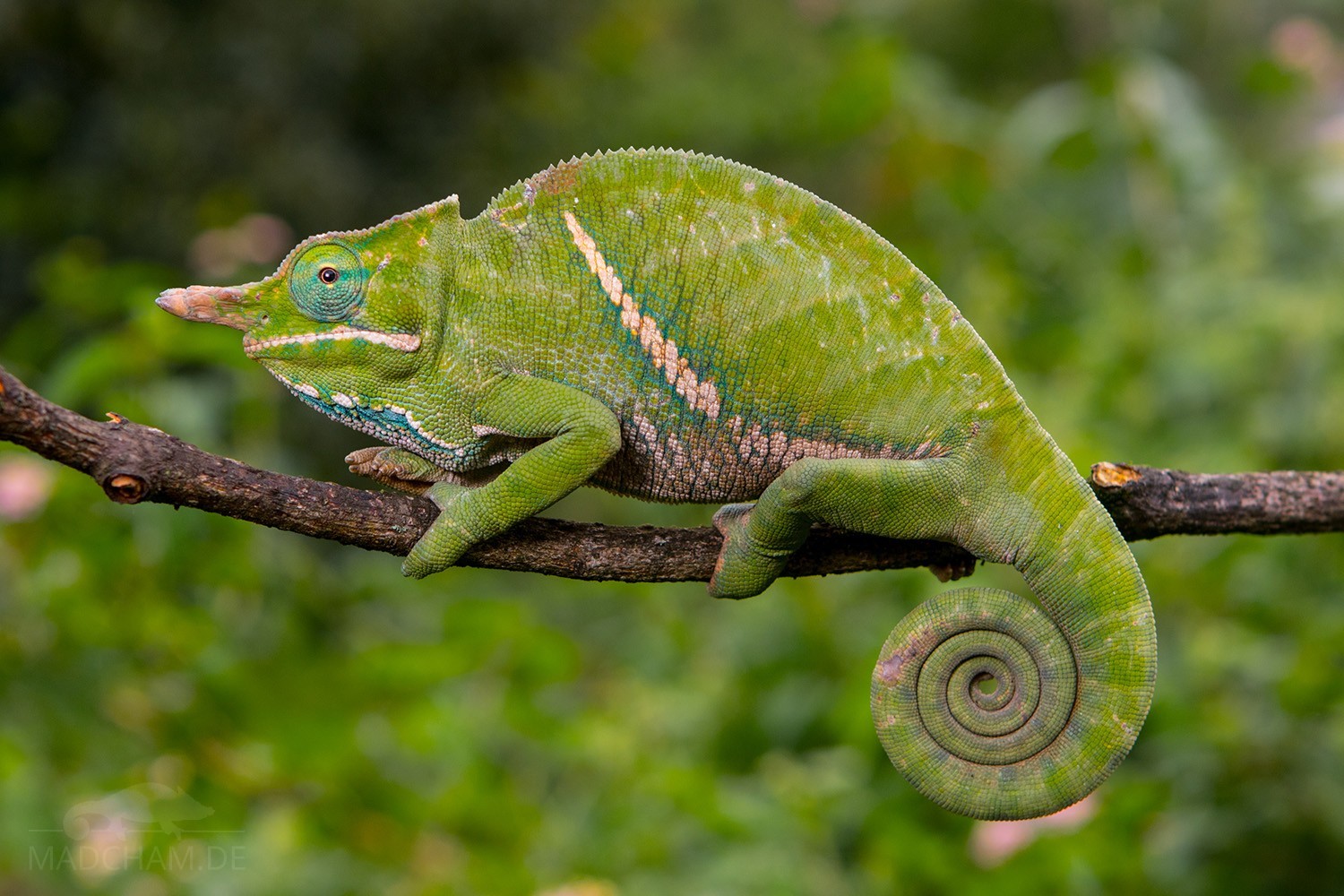
Furcifer balteatus
First description: (Duméril & Bibron, 1851) Origin of the species name: The zoologist André Marie Constant Duméril, then head of herpetology at the Natural History Museum of Paris (France), together with his assistant Gabriel...
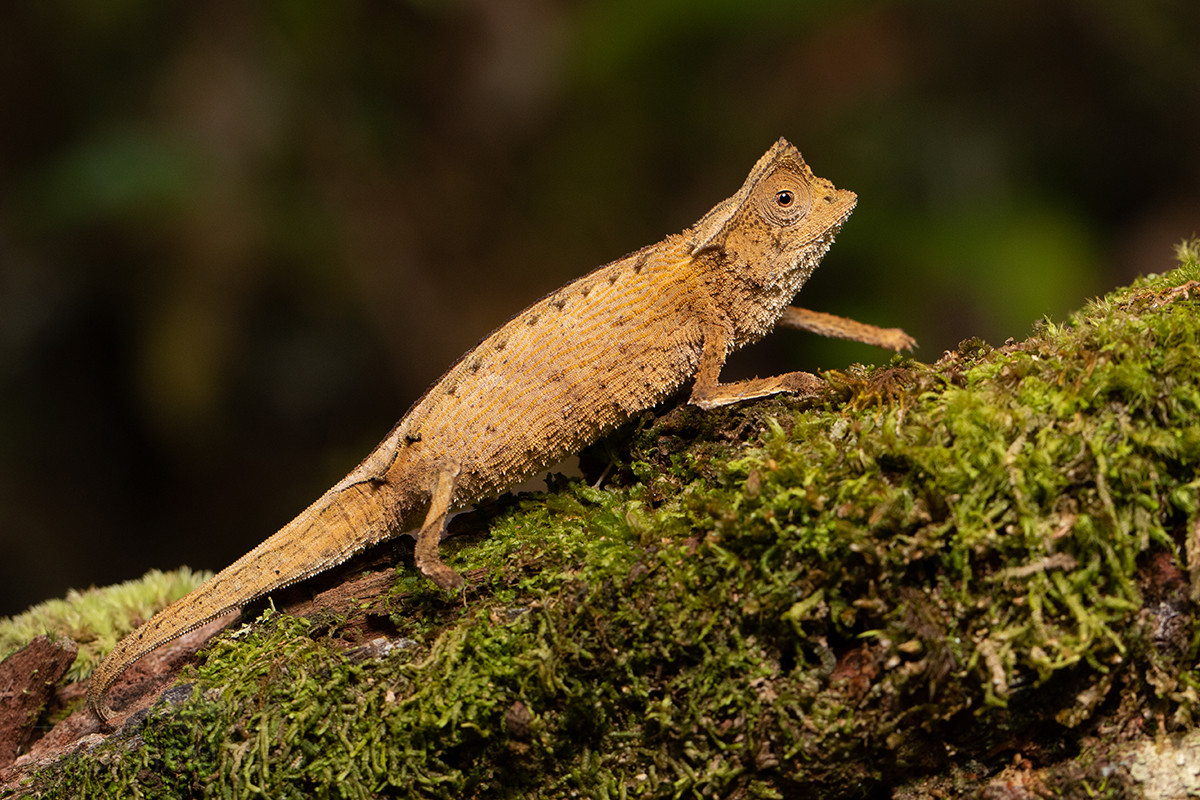
Brookesia griveaudi
First description: Brygoo, Blanc & Domergue, 1974 Origin of the species name: Édouard-Raoul Brygoo (later working at the Natural History Museum in Paris, France), Charles Pierre Blanc and Charles Antoine Domergue from the then...
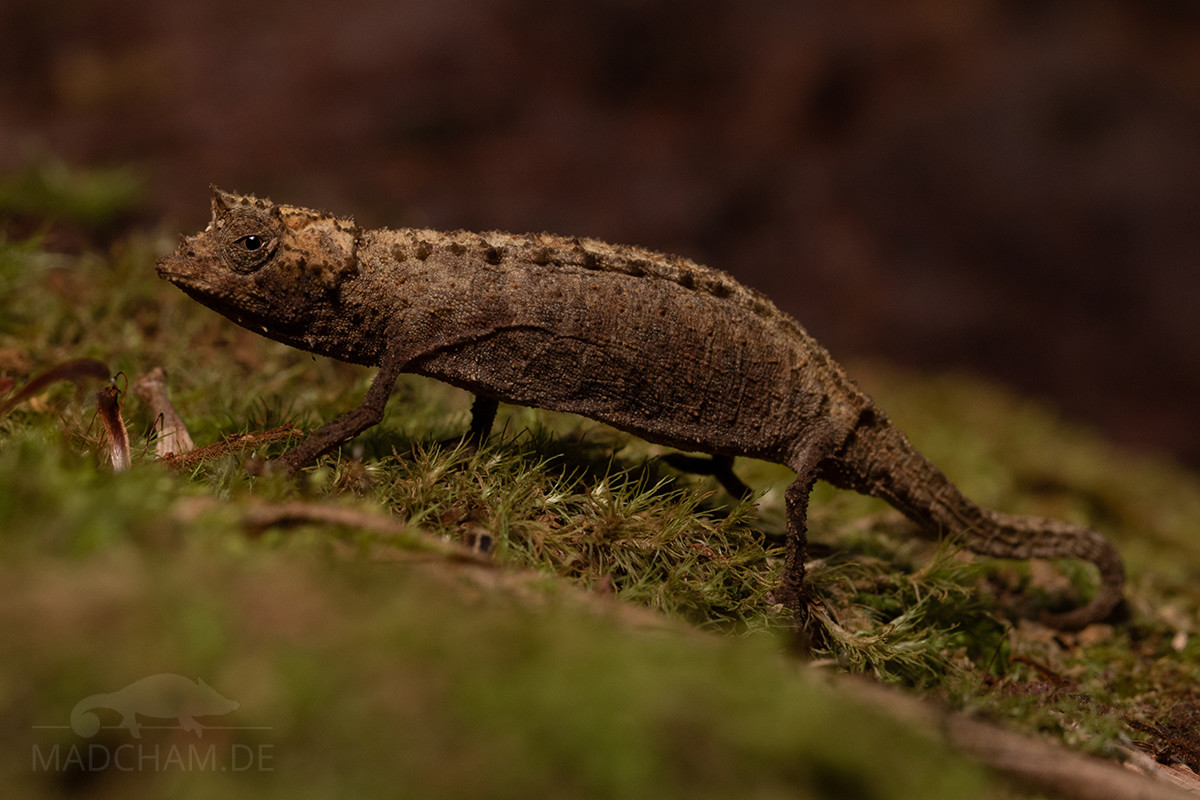
Brookesia karchei
First description: Brygoo, Blanc & Domergue, 1970 Origin of the species name: Édouard-Raoul Brygoo (later working at the Natural History Museum in Paris, France), Charles Pierre Blanc and Charles Antoine Domergue from the then...
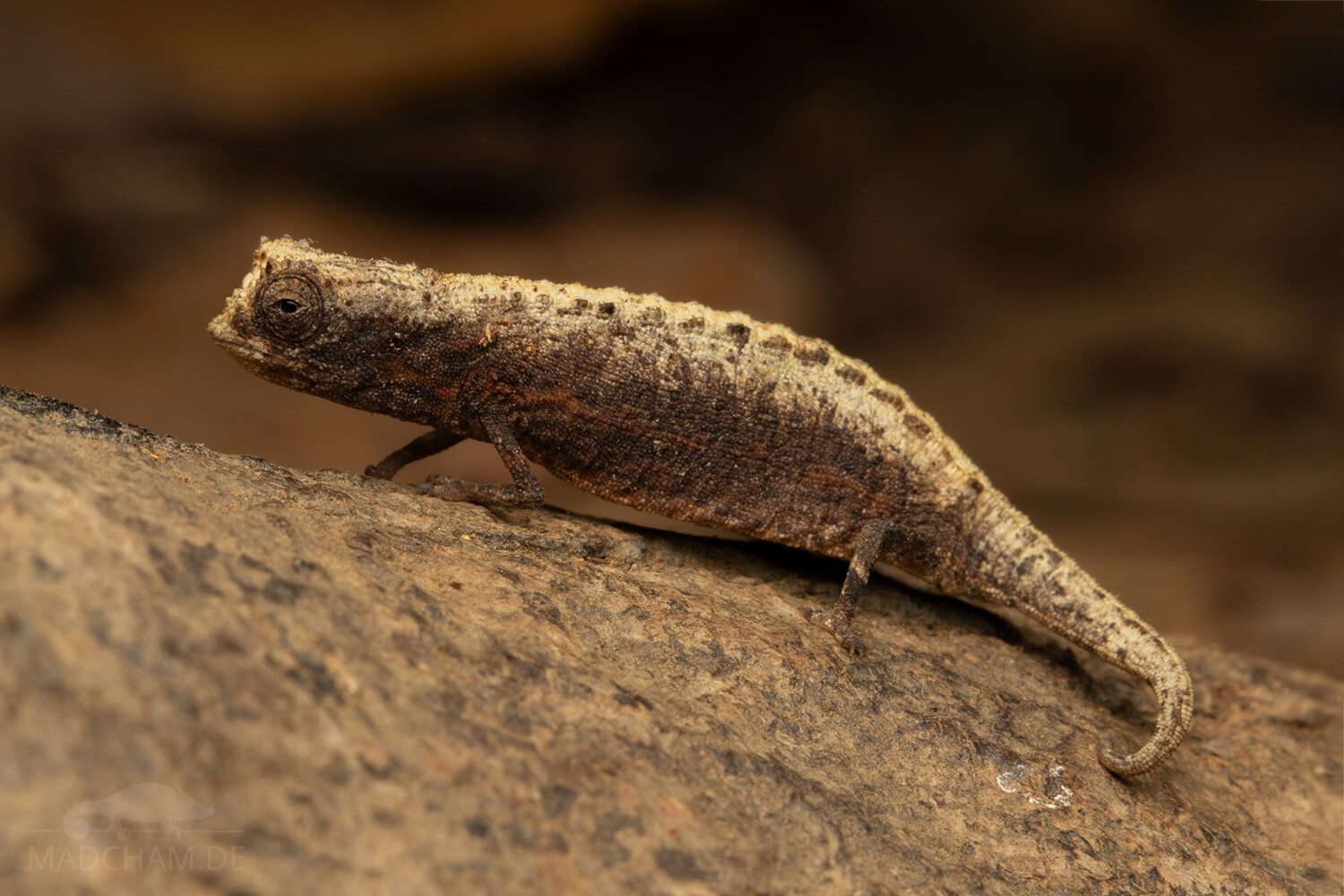
Brookesia minima
First description: Boettger, 1893 Origin of the species name: Palaeontologist Oskar Böttger, then curator of the Senckenberg Museum in Frankfurt am Main (Germany), named this chameleon species after its body size. Minima is Latin...
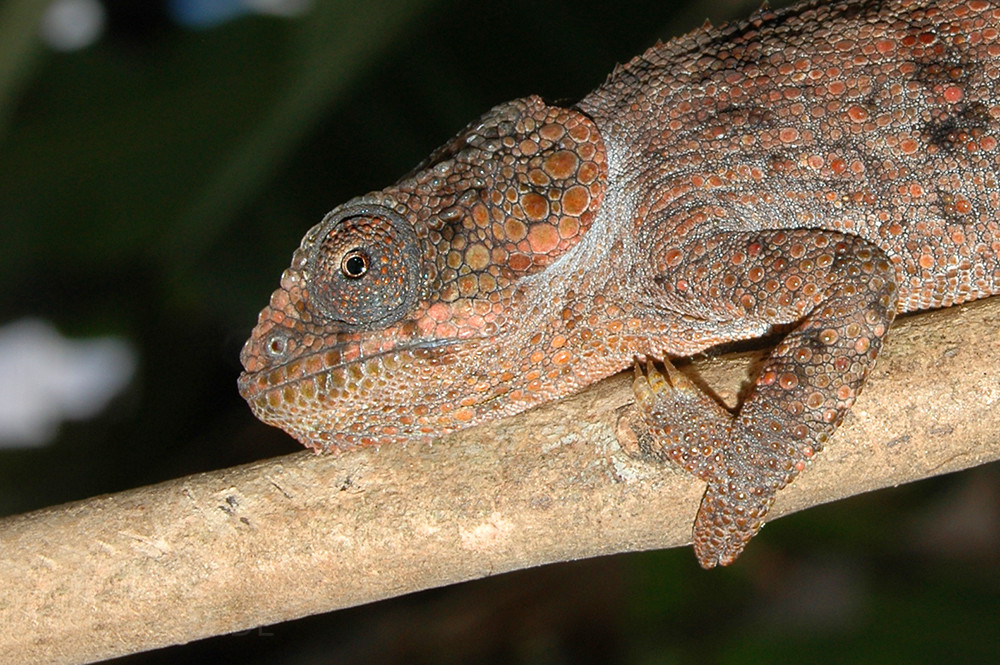
Calumma hilleniusi
First description: (Brygoo, Blanc & Domergue, 1973) Origin of the species name: The Dutch herpetologist Dick Hillenius received his doctorate in 1959 on the genus Chamaeleo at the Zoological Museum of Amsterdam (Netherlands). At...


Follow us on Instagram

Most popular articles


Your travel specialist for Madagascar