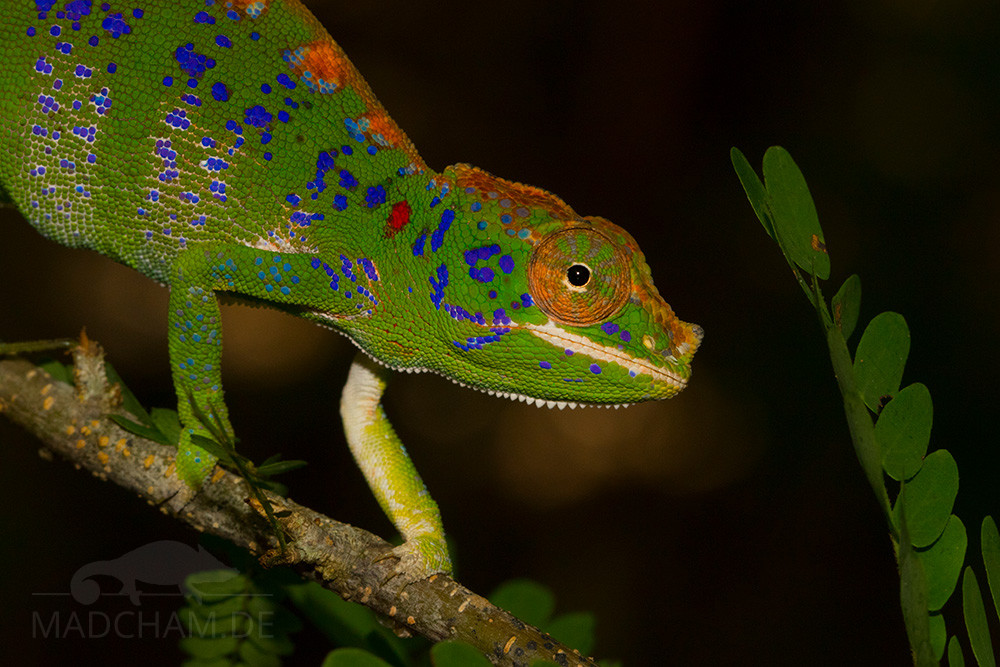
Furcifer labordi
First description: (Grandidier, 1872) Origin of the species name: The French naturalist Alfred Grandidier visited Madagascar three times between 1865 and 1868, traveling almost the entire island and producing one of the first...

Brookesia nofy
First description: Rakotoarison, Hasiniaina, Glaw and Vences, 2024 Origin of the species name: The biologist Andolalao Rakotoarison named the species after the Malagasy word for dream. On the one hand, this fits its origin,...
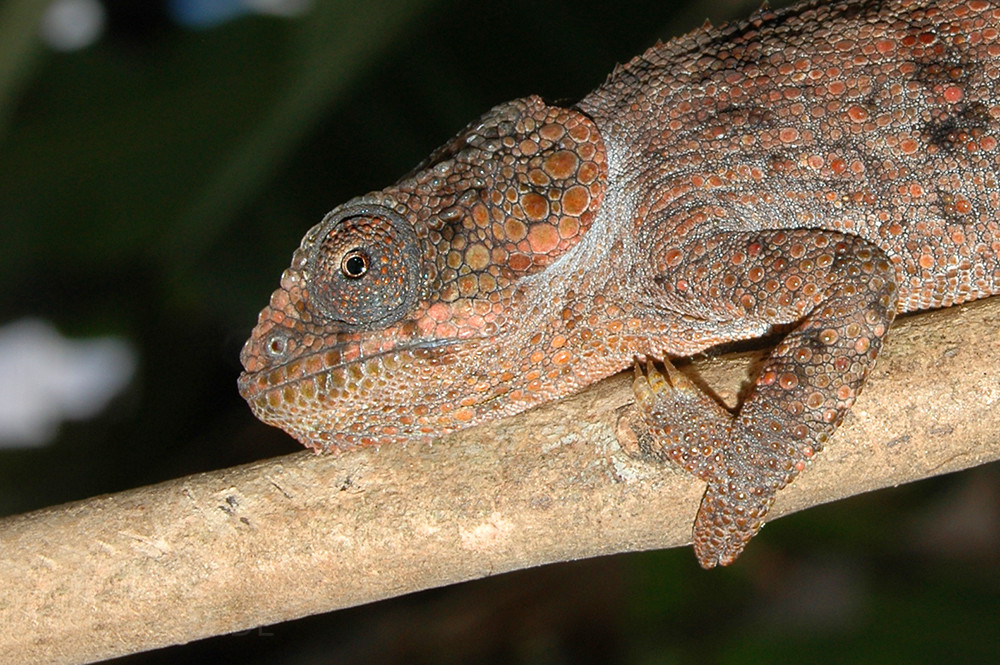
Calumma hilleniusi
First description: (Brygoo, Blanc & Domergue, 1973) Origin of the species name: The Dutch herpetologist Dick Hillenius received his doctorate in 1959 on the genus Chamaeleo at the Zoological Museum of Amsterdam (Netherlands). At...
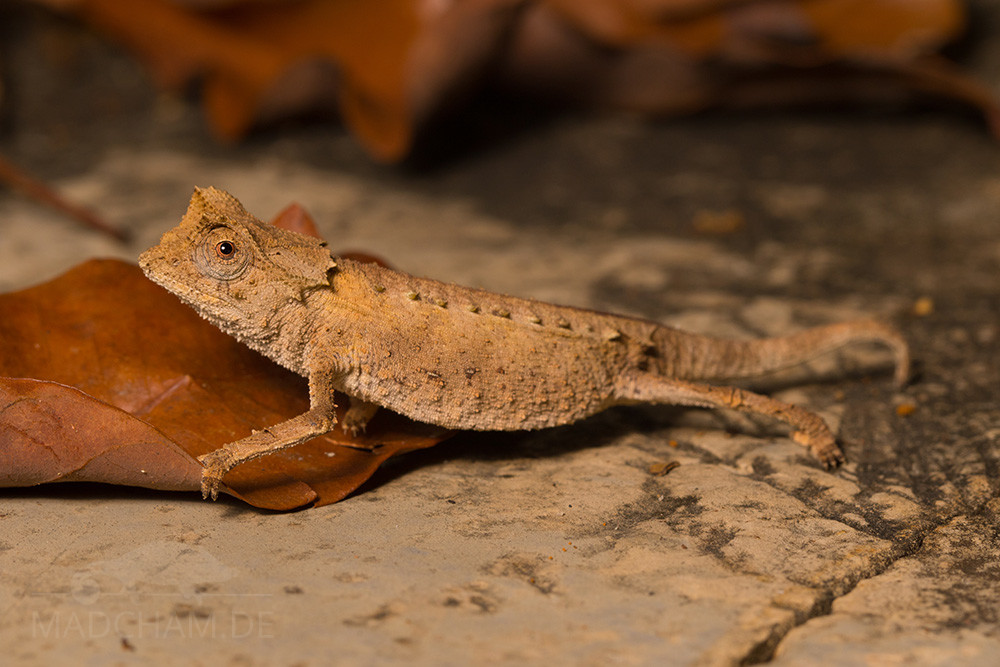
Brookesia stumpffi
First description: Boettger, 1984 Origin of the species name: The paleontologist Oskar Böttger, then curator of the Senckenberg Museum in Francfort (Germany), named the species after Anton Stumpff. Together with Carl Ebenau, General Representative...
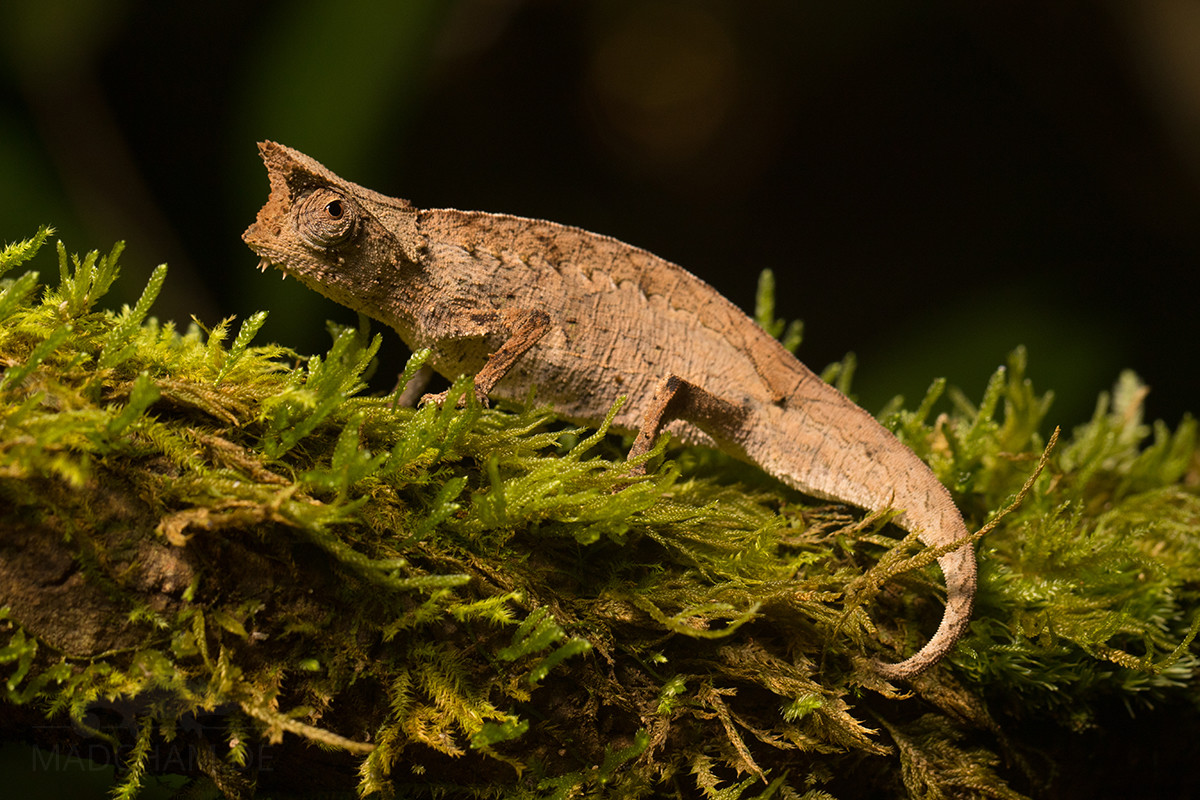
Brookesia superciliaris
First description: (Kuhl, 1820) Origin of the species name: The ornithologist Dr. Heinrich Kuhl from Francfort (Germany) named this chameleon species after its immediately recognizable, conspicuous bony projections above the eyes. The Latin word...
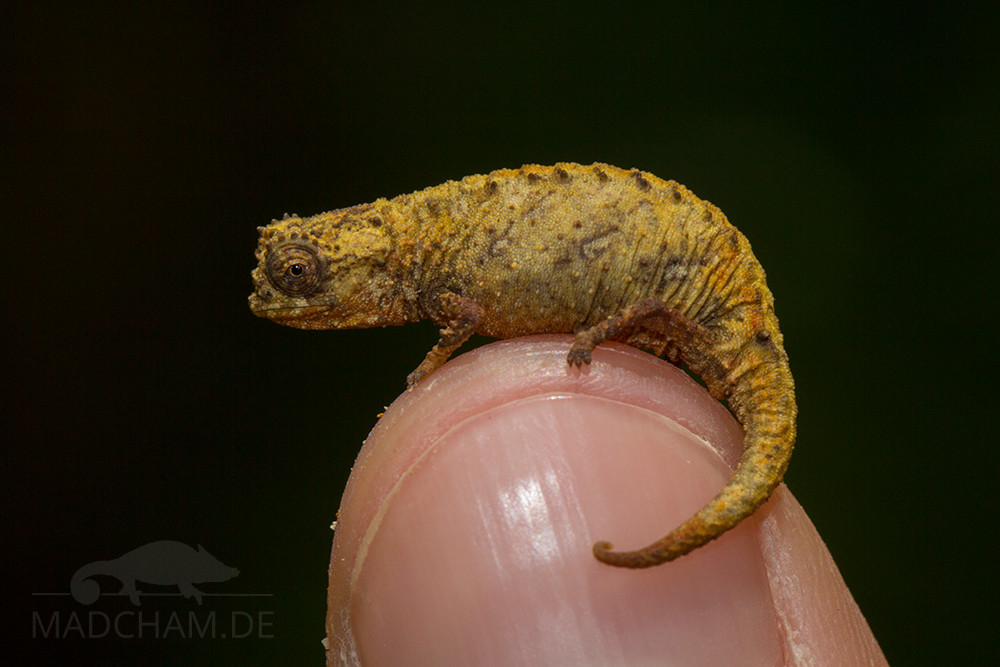
Brookesia tedi
First description: Scherz, Köhler, Rakotoarison, Glaw and Vences, 2019 Origin of the species name: Mark D. Scherz and Frank Glaw from the State Zoological Collection Munich (Germany), Jörn Köhler from the Hessisches Landesmuseum Darmstadt...
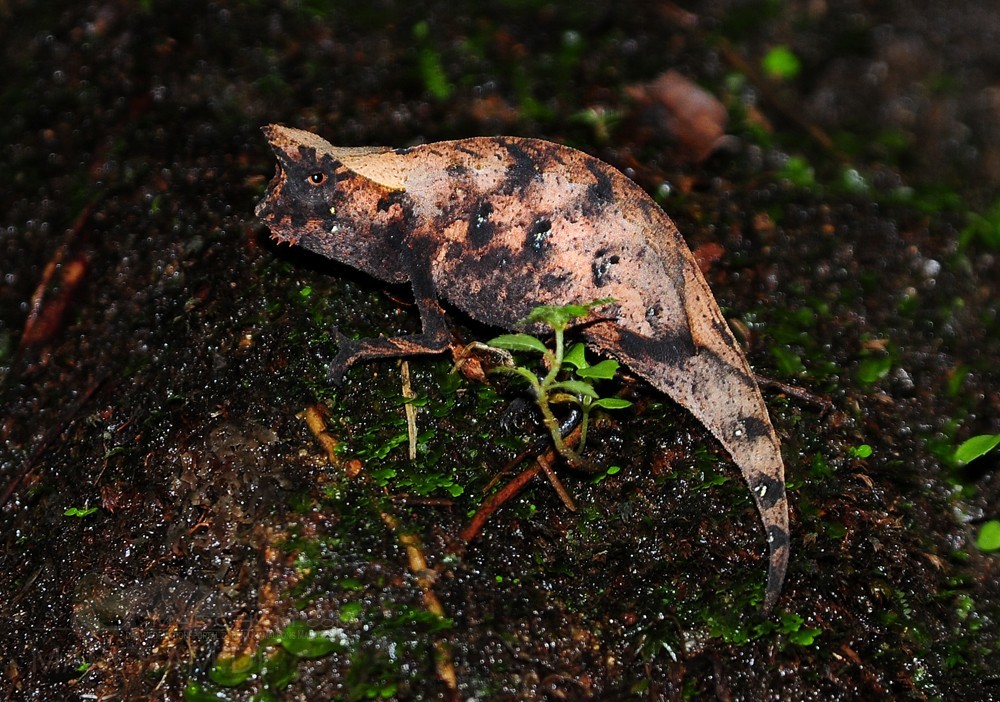
Brookesia therezieni
First description: Brygoo & Domergue, 1970 Origin of the species name: Édouard-Raoul Brygoo (later working at the Natural History Museum in Paris, France) and Charles Antoine Domergue of the then Institut Pasteur in...
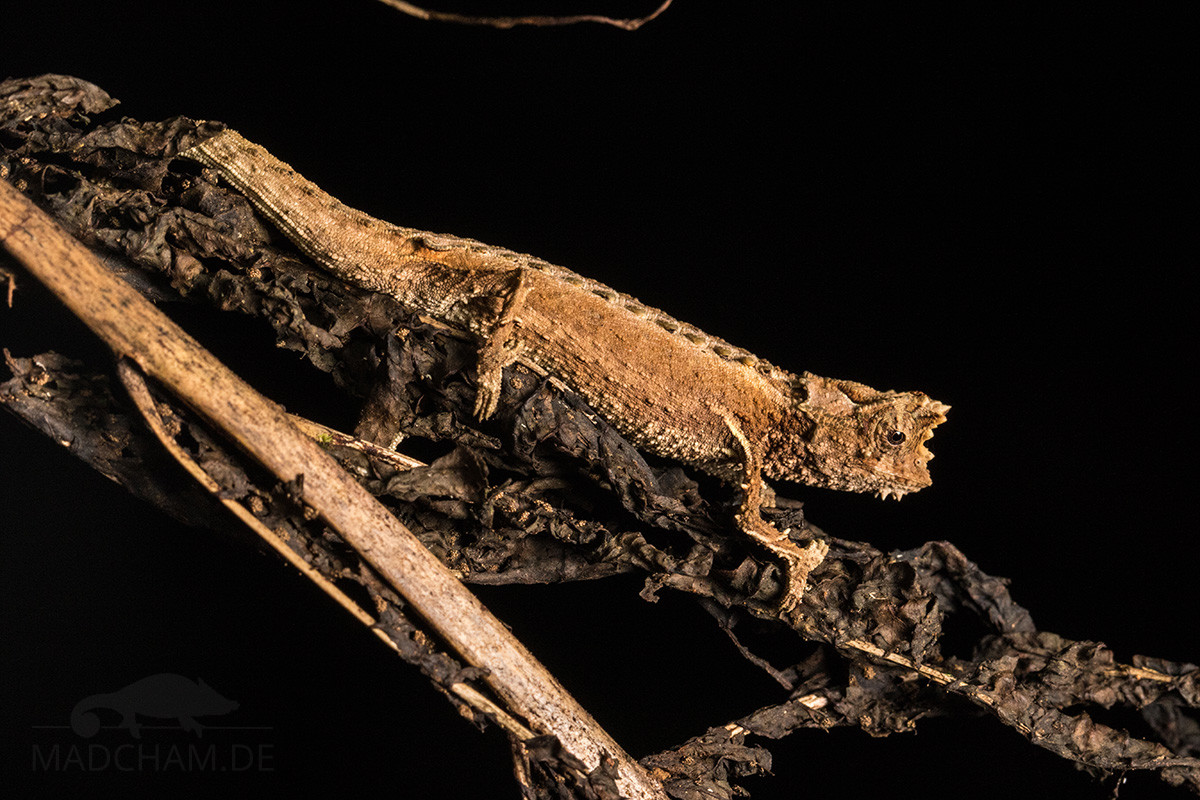
Brookesia thieli
First description: Brygoo & Domergue, 1969 Origin of the species’ name: Édouard-Raoul Brygoo (later working at the Natural History Museum in Paris, France) and Charles Antoine Domergue of the then Institut Pasteur in Antananarivo,...
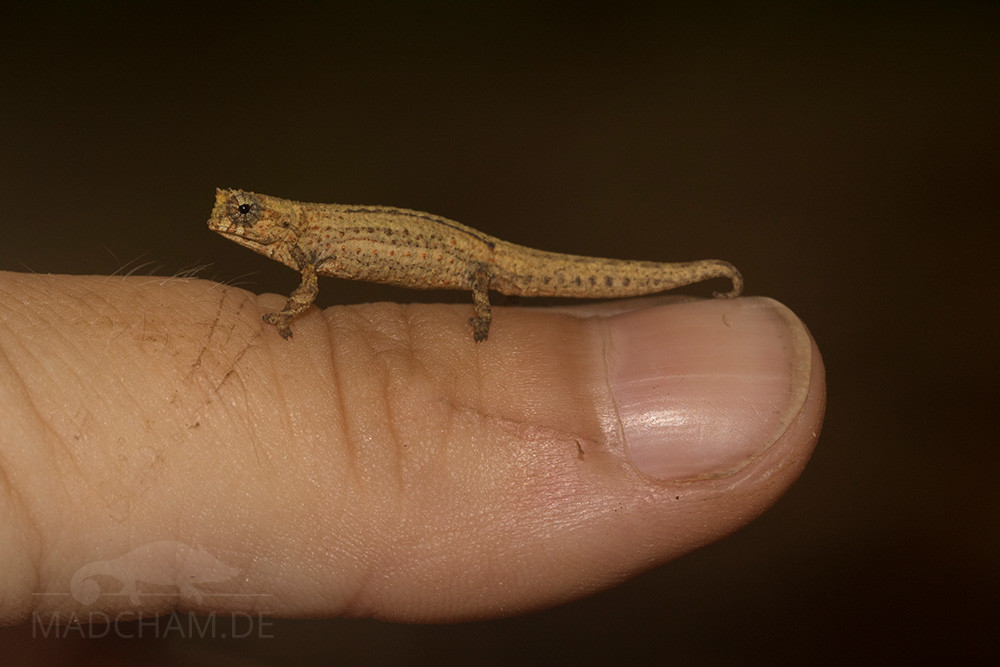
Brookesia tuberculata
First description: Mocquard, 1894 Origin of the species name: The zoologist François Mocquard of the Natural History Museum in Paris (France) borrowed the species name from the Latin tubercula, which means “many bumps”. In...
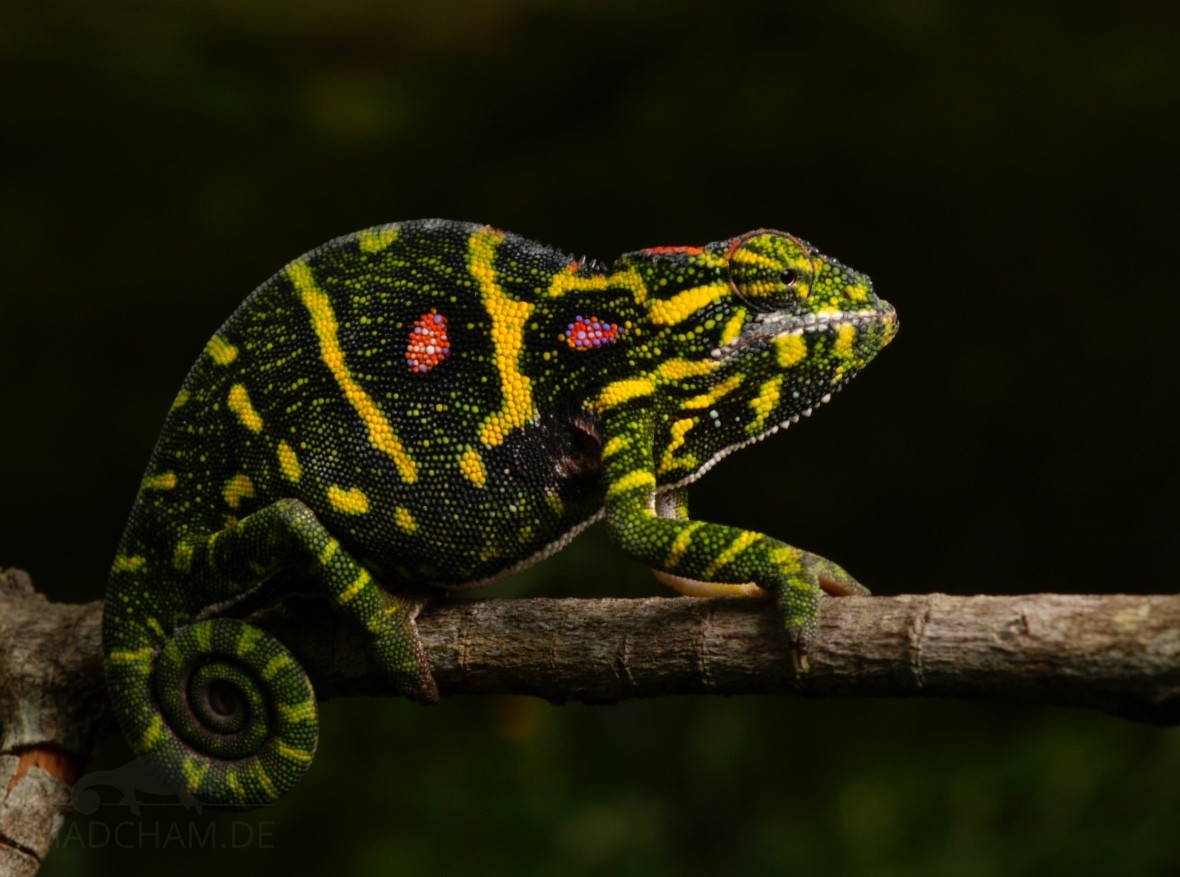
Furcifer minor
First descriptions: (Günther, 1879) Origin of the species name: The German zoologist Albert Carl Ludwig Gotthilf Günther, then director of the Zoological Department of the Natural History Museum of London (Great Britain), received a...


Follow us on Instagram

Most popular articles


Your travel specialist for Madagascar