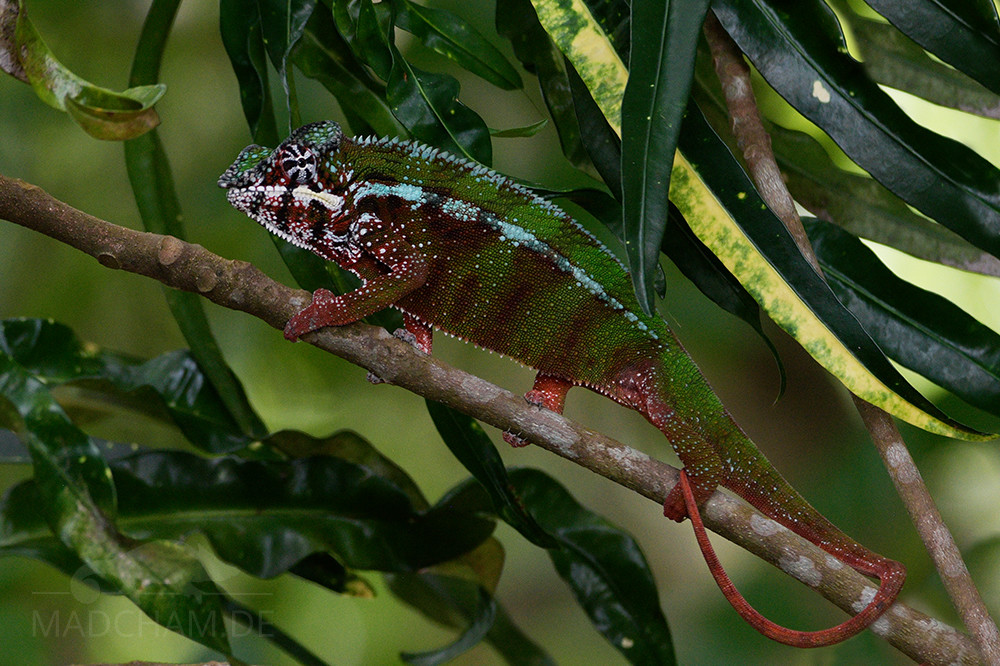
Seminar series ‘The chameleon as a patient’
In 2026, we held our first in-depth series of lectures in collaboration with mVet exotics medicine. The focus, of course, is on the chameleon as a patient. A further session is planned and will...
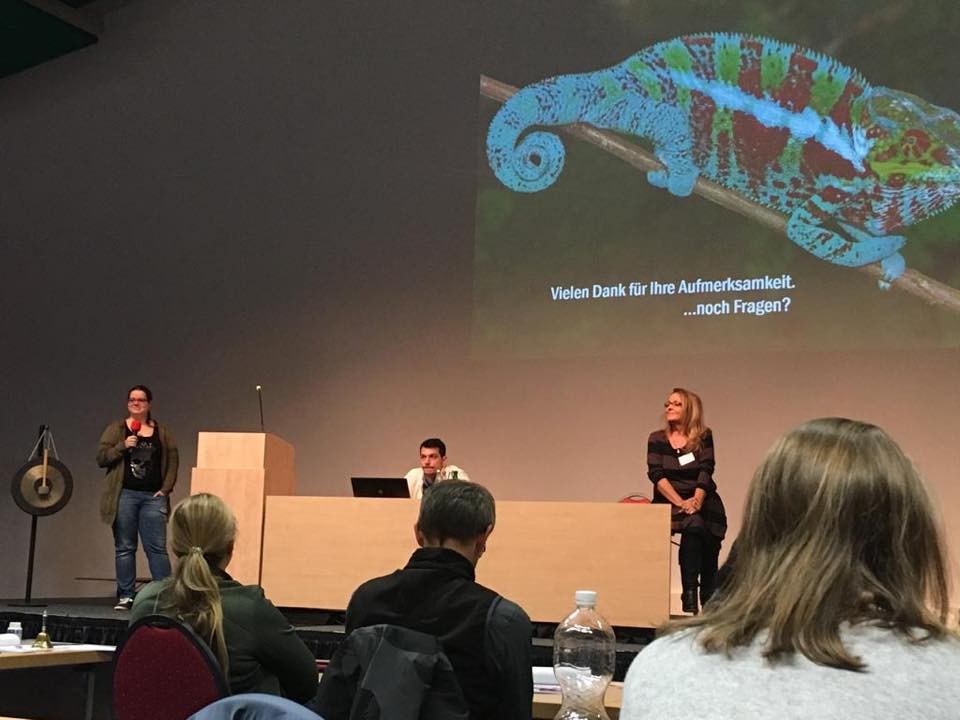
Lectures
We regularly give lectures about Madagascan chameleons at conferences, in DGHT city groups, or at other associations interested in terraristics. If you want to experience Madagascar’s chameleons “live”, but can’t visit the island yourself,...
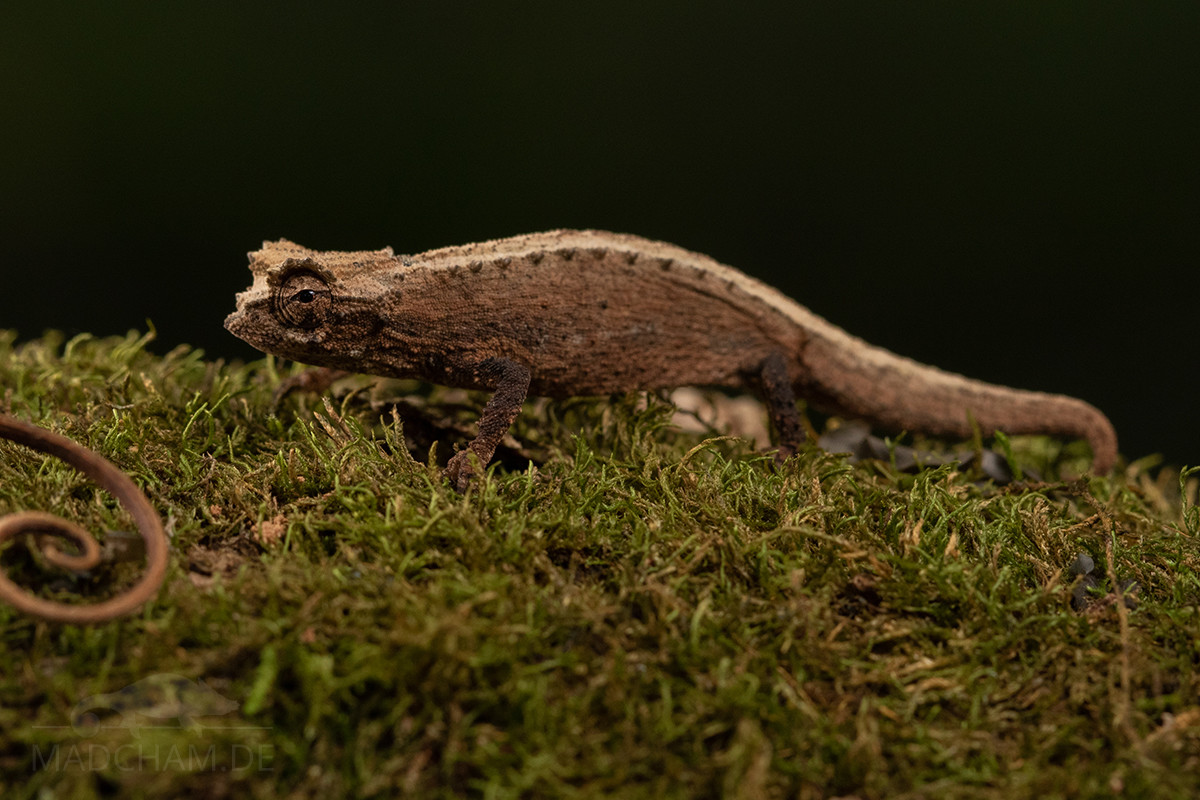
Brookesia desperata
First description: Glaw, Köhler, Townsend & Vences, 2012 Origin of the species name: Frank Glaw from the Zoologische Staatssammlung Munich (Germany), Jörn Köhler from the Hessisches Landesmuseum Darmstadt (Germany), Ted Townsend from the University...
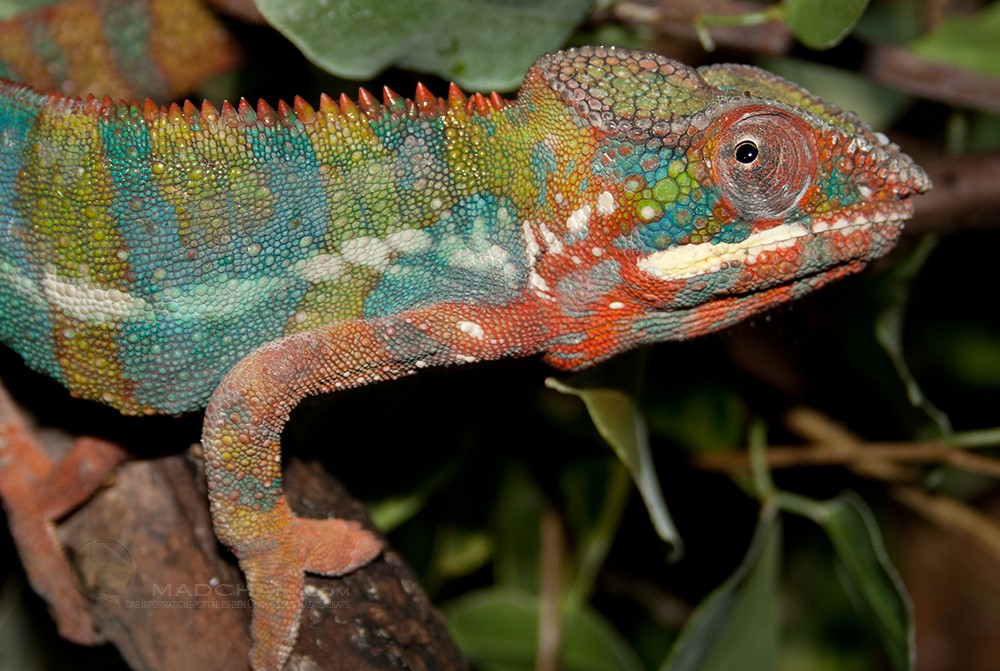
Metabolic bone disease
What is rachitis? Rachitis is a disease in which bones demineralize. The medical term for the complex of diseases which includes rachitis is “metabolic bone disease”. MBD also includes several diseases of the adult...
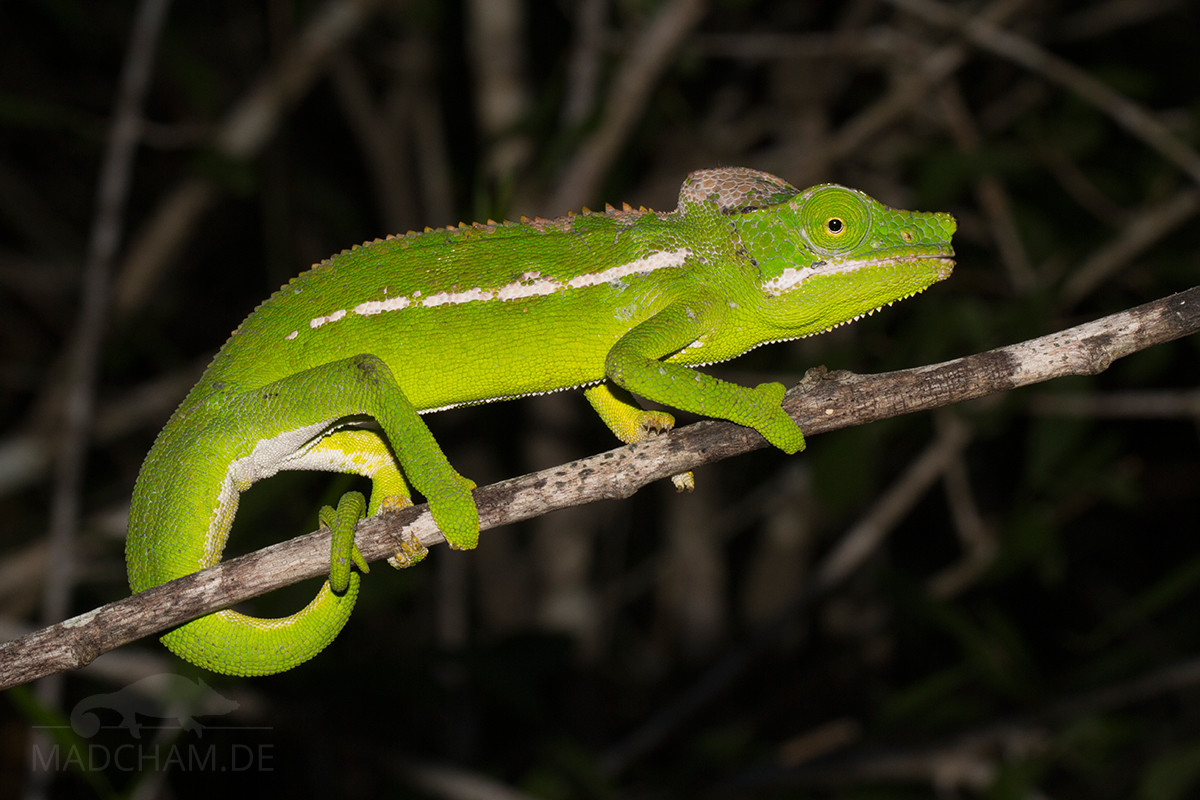
Furcifer belalandaensis
First description: (Brygoo & Domergue, 1970) Origin of the species name: The zoologists Édouard-Raoul Brygoo and Charles Antoine Domergue worked at the Institut Pasteur in Antananarivo, Madagascar, and simply named the species after the...
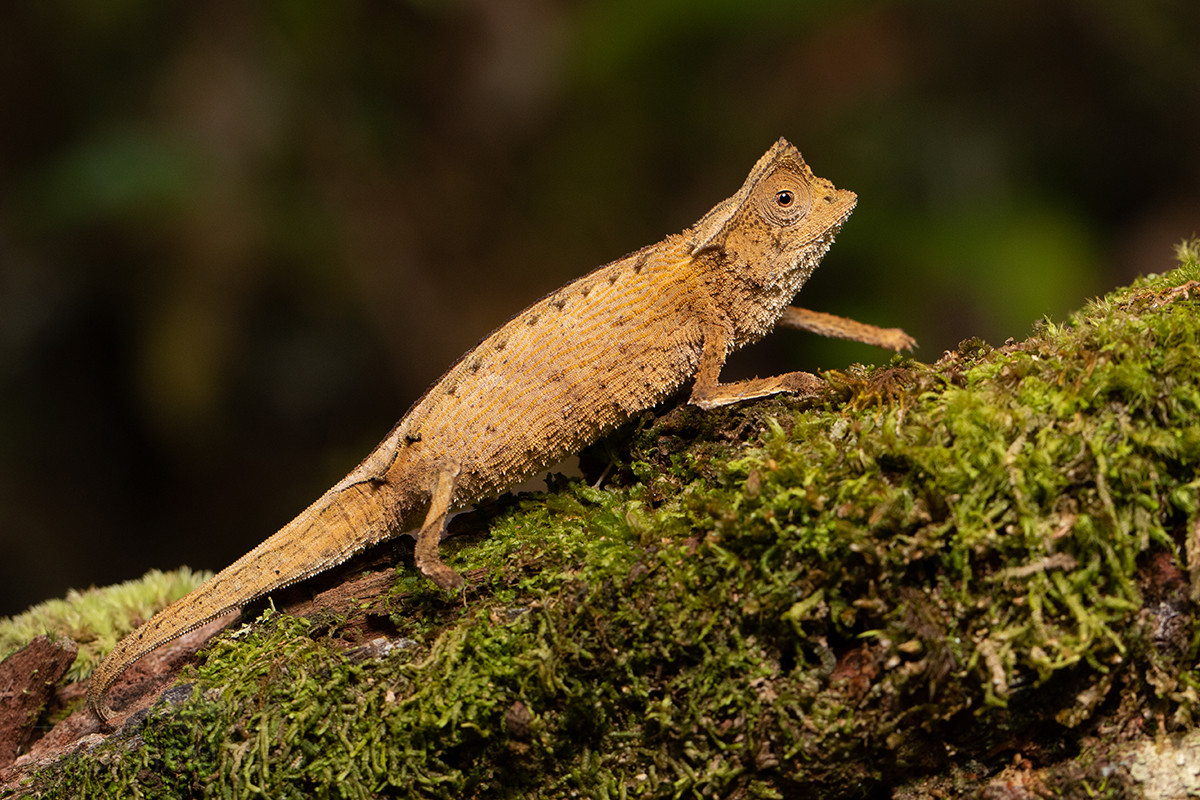
Brookesia griveaudi
First description: Brygoo, Blanc & Domergue, 1974 Origin of the species name: Édouard-Raoul Brygoo (later working at the Natural History Museum in Paris, France), Charles Pierre Blanc and Charles Antoine Domergue from the then...
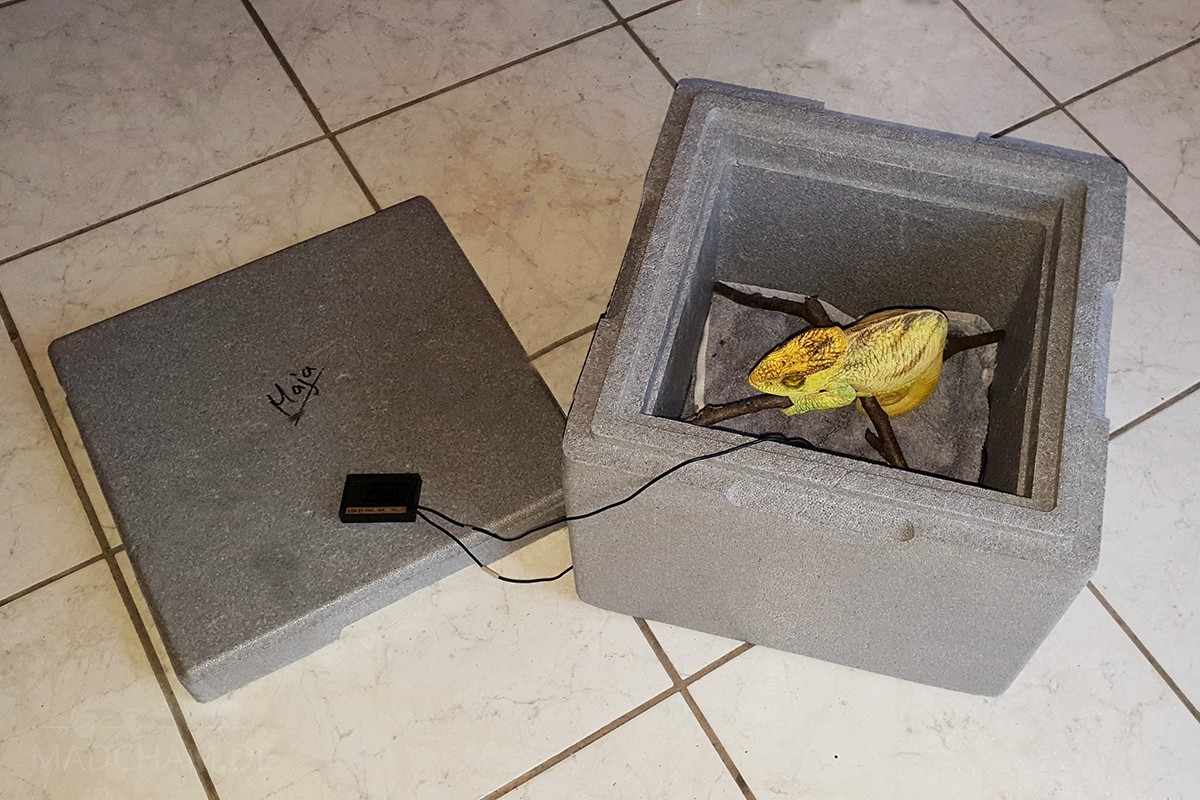
Transporting a chameleon
From the breeder’s home, to the vet or when selling a young animal: At some point comes the time when you have to transport your chameleon. Like all reptiles, chameleons are ectothermic, so their...
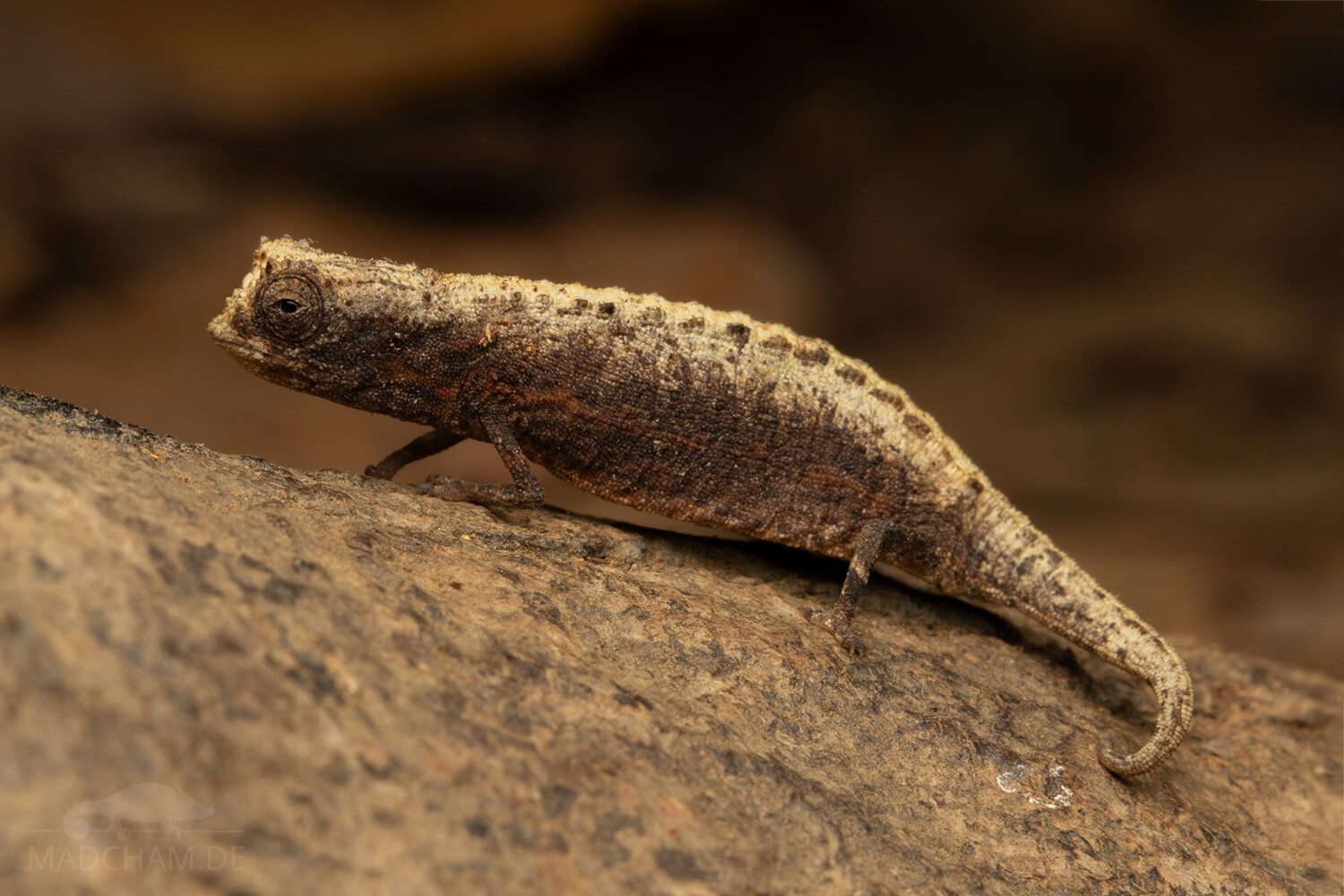
Brookesia minima
First description: Boettger, 1893 Origin of the species name: Palaeontologist Oskar Böttger, then curator of the Senckenberg Museum in Frankfurt am Main (Germany), named this chameleon species after its body size. Minima is Latin...
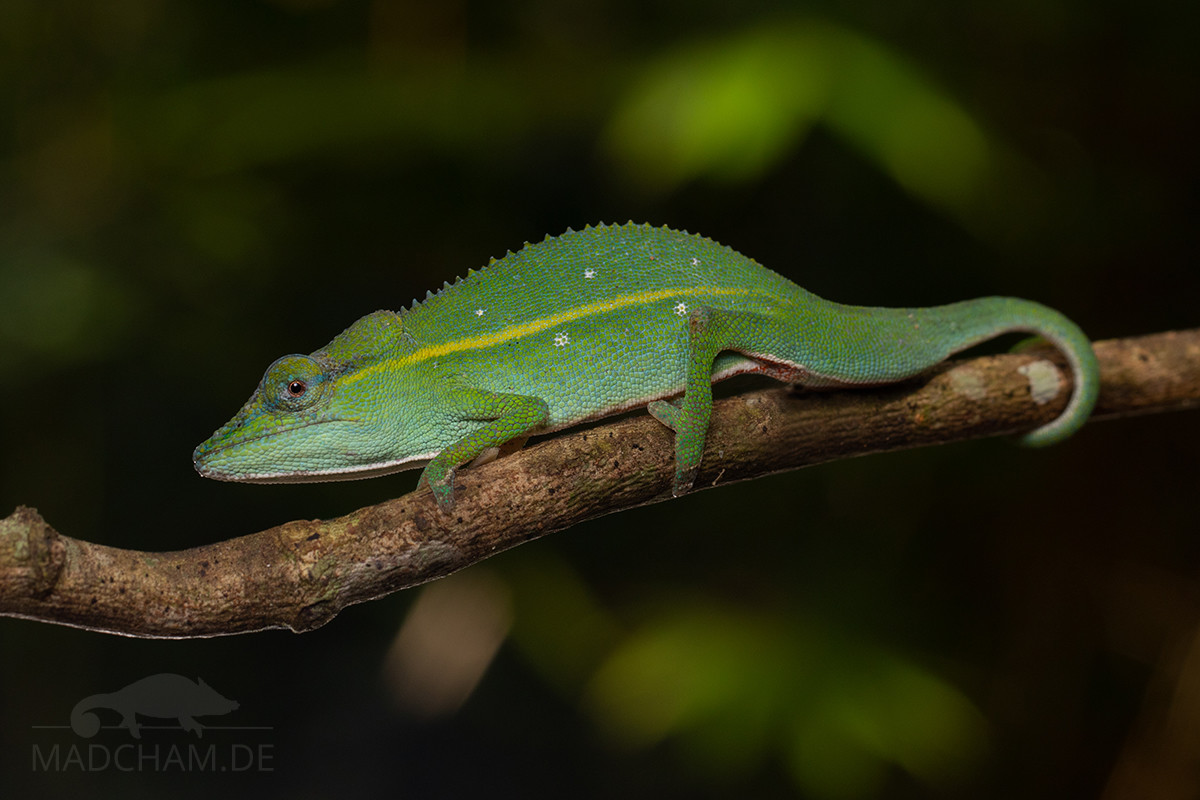
Calumma guillaumeti
First description: (Brygoo, Blanc & Domergue, 1974) Origin of the species name: Édouard-Raoul Brygoo (later working at the Natural History Museum in Paris, France), Charles Pierre Blanc and Charles Antoine Domergue from the then...
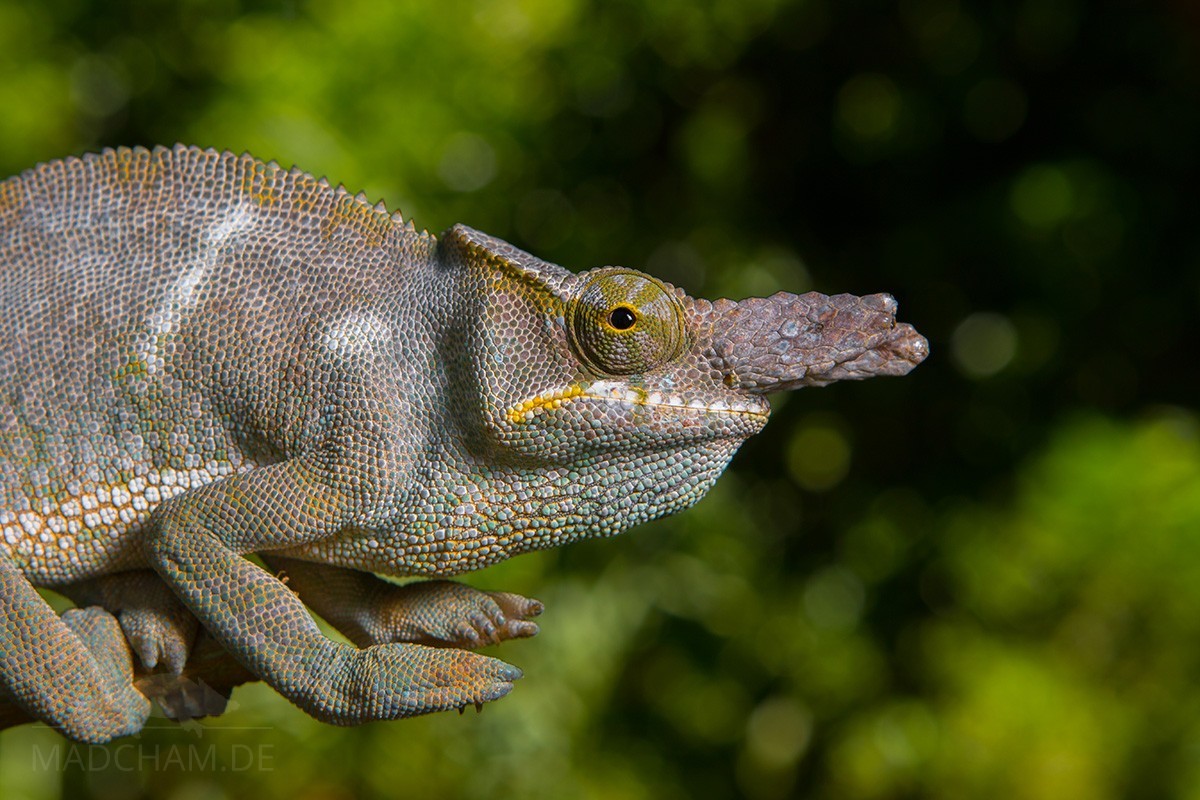
Furcifer bifidus
First description: (Brongniart, 1800) Origin of the species name: The French zoologist and geologist Alexandre Brongniart taught about mineralogy at the Natural History Museum in Paris (France), but was also interested in reptiles and...


Follow us on Instagram

Most popular articles


Your travel specialist for Madagascar